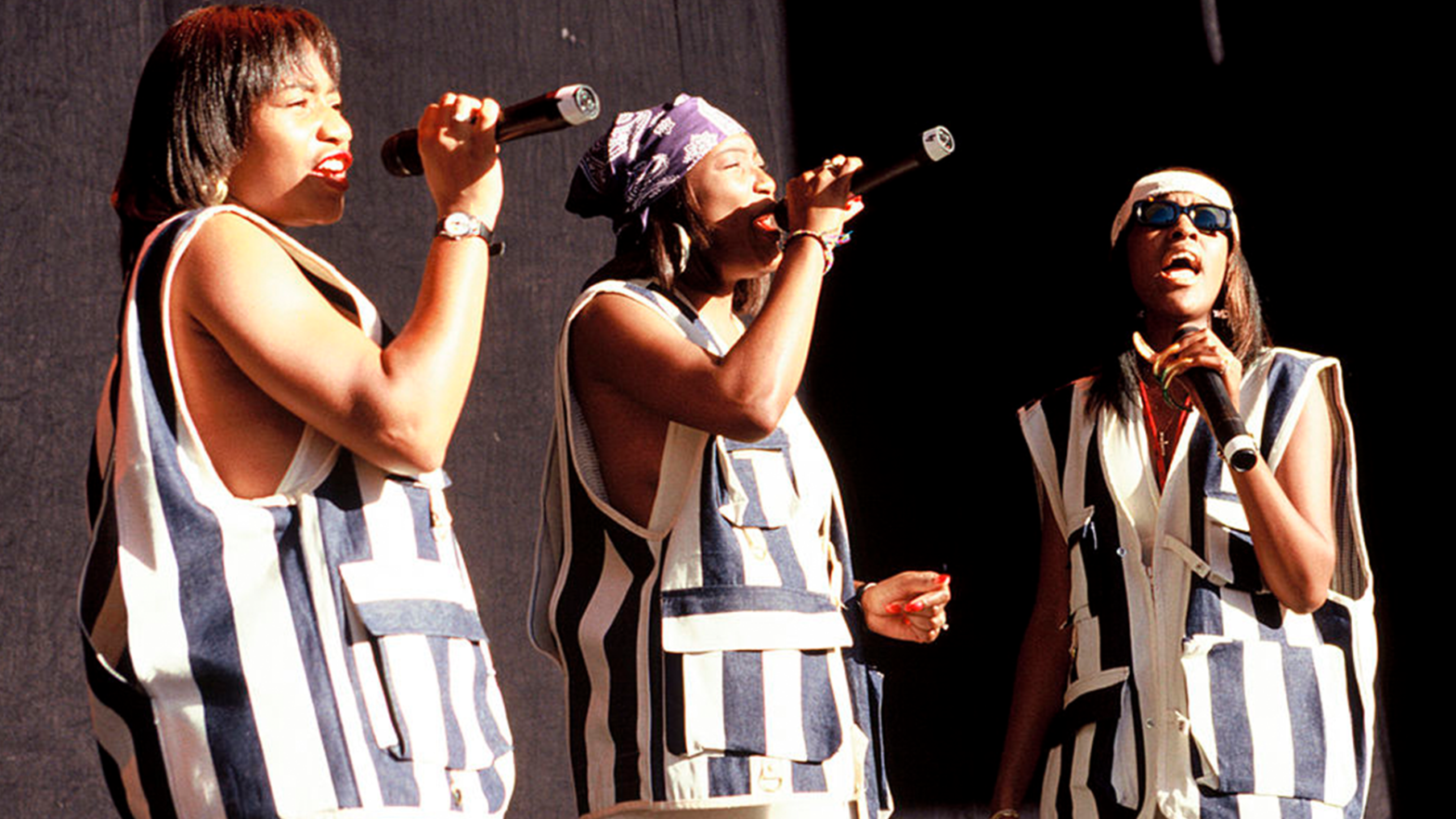
If you grew up in the 90s, you probably remember the first time you heard that shimmering, atmospheric synth line from Michael Jackson’s "Human Nature" blended with the gritty, street-smart harmonies of three girls from New York.
It was a cultural reset.
Most people know the song "Right Here (Human Nature Remix)" as a classic. But honestly, the story behind how SWV (Sisters With Voices) ended up with the keys to the King of Pop’s kingdom is way more interesting than just a standard licensing deal.
It wasn't just a sample. It was a massive cosign from the most famous man on the planet at a time when SWV were still just the "new girls" on the block.
The Remix That Almost Didn't Happen
Here is a wild fact: Coko, Taj, and Lelee actually hated the remix at first.
Can you imagine?
They had already released the original version of "Right Here" in 1992. It did okay, but it didn't set the world on fire. When their producer, the legendary Teddy Riley, suggested they mash it up with Michael Jackson’s 1982 hit, the group was skeptical. They thought it felt too "slow" or "boring" compared to the New Jack Swing energy they were trying to cultivate.
Luckily, Riley knew better.
Teddy Riley wasn't just some guy in the studio; he was the architect of Michael Jackson’s Dangerous album. Because of that relationship, Riley had a direct line to MJ. When it came time to clear the sample, Michael didn't just say yes—he basically gave it to them for free.
How Michael Jackson Handed Over the Keys
In the music industry, sampling a Michael Jackson song is usually a nightmare of red tape and seven-figure checks.
But for SWV, things went differently.
According to Lelee Lyons, Michael was actually a fan of the group. He liked their sound. Instead of demanding a massive upfront fee or a lion's share of the publishing (which he totally could have done), he allowed them to use the "Human Nature" track in a way that felt like a partnership.
"I was so shocked that he was a fan of my group," Lelee told fans years later. "I am forever grateful."
This wasn't just about money. By letting them use the track, Michael effectively "passed the torch" to the next generation of R&B. The remix ended up spending seven weeks at the top of the Billboard R&B charts. It also crossed over to the Billboard Hot 100, peaking at number two.
It’s the reason why, even in 2026, you can't go to a cookout or a 90s-themed party without hearing that specific "S... Double U... To the V!" chant over MJ's iconic synths.
The Pharrell Connection
Speaking of that chant, there is another "hidden" legend on the track. That voice you hear at the beginning?
It’s a young Pharrell Williams.
Long before he was a solo superstar or one-half of The Neptunes, Pharrell was a protégé of Teddy Riley. He wrote the rap verses for the remix and provided the backing vocals. It's crazy to think that one single song managed to connect the King of Pop, the premiere 90s girl group, and a future 13-time Grammy winner.
The "Human Nature" Legacy
The impact of this collaboration is still felt in how modern R&B is structured. It proved that you could take a pristine pop ballad and make it "street" without losing the soul.
Before this, remixes were often just extended versions of the original song. This was a total reimagining. It was a "duet" across time.
Later, SWV released an even more literal version called the "Human Nature Duet," where Michael’s original vocals are mixed directly with Coko’s lead. It sounds like they are in the booth together. It’s hauntingly beautiful and serves as a reminder of how well Michael’s "soft" vocal style complemented the powerhouse gospel-trained vocals of SWV.
What You Should Do Next
If you want to truly appreciate the technical genius of this era, go back and listen to the original 1992 version of "Right Here" immediately followed by the Human Nature Remix.
Notice how the tempo change and the "air" in the Michael Jackson sample completely change the emotional weight of the lyrics. It’s a masterclass in production.
You should also check out:
- Teddy Riley’s production on MJ’s "Remember the Time" to see the New Jack Swing influence from the other side.
- The Free Willy Soundtrack, where "Right Here" first gained massive mainstream traction.
- Chris Brown’s "She Ain't You," which pays homage to both Michael and SWV by sampling the same melody decades later.
The lesson here is simple: sometimes the "boring" idea in the studio is the one that defines a decade. SWV almost passed on their biggest hit because it felt too safe. Instead, they ended up part of a lineage that includes the greatest entertainer of all time.