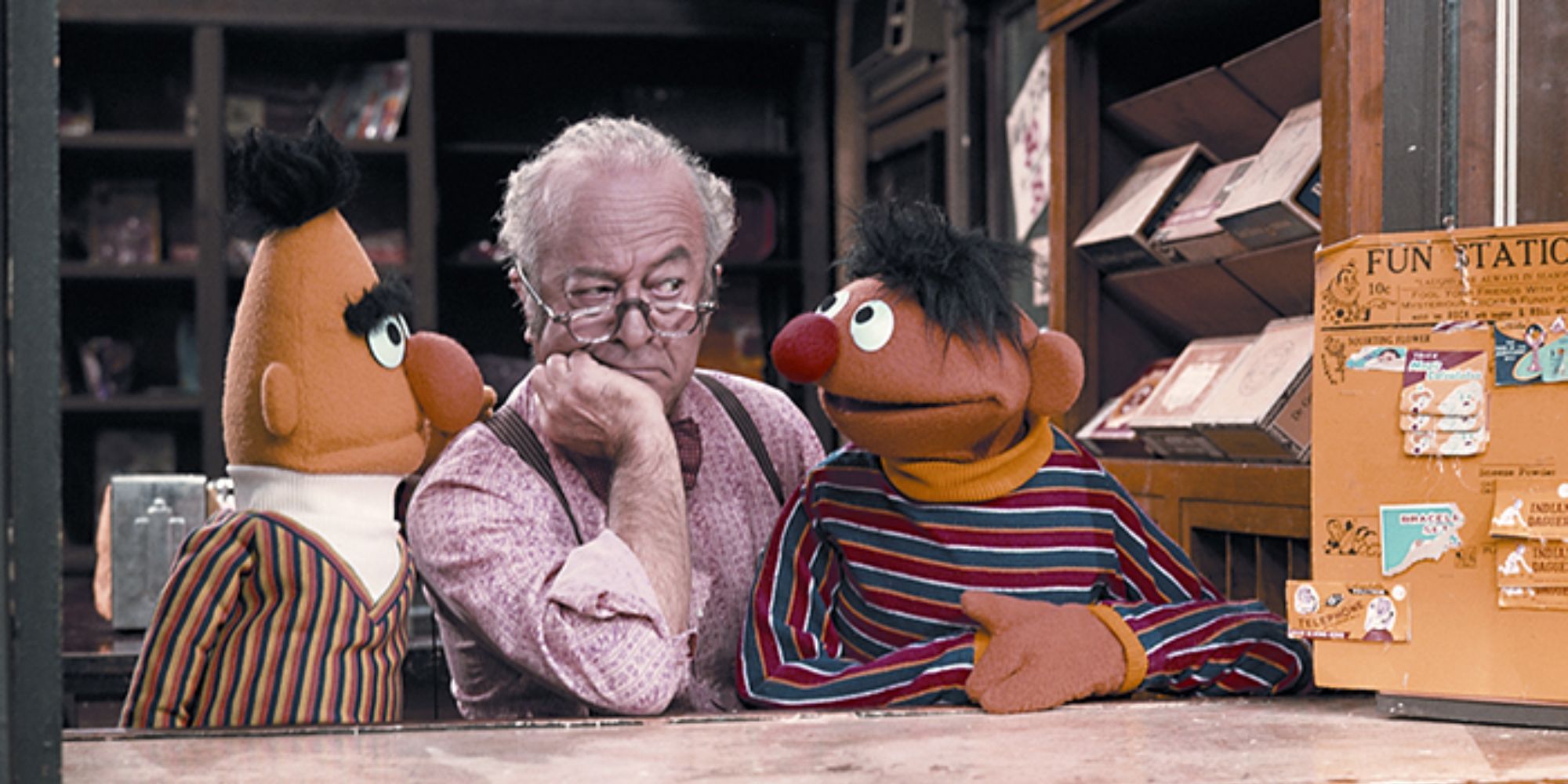
It was late 1983. Most kids’ television back then was a neon-soaked blur of toy commercials and slapstick humor where nobody ever really got hurt. Then came Episode 1839. If you grew up in that era, you probably remember exactly where you were when Big Bird tried to give a drawing to his friend, only to be told he wasn't coming back. When Sesame Street Mr. Hooper dies, the rules of children’s media changed forever. It wasn’t just a "very special episode." It was a raw, honest, and incredibly risky piece of television that treated four-year-olds like thinking, feeling human beings.
Will Lee, the actor who played the grumpy but gold-hearted shopkeeper Harold Hooper, passed away from a heart attack in December 1982. The producers at Children’s Television Workshop (CTW) had a choice. They could have just said he retired. They could have recast the role with a lookalike and hoped the toddlers wouldn't notice the difference. Honestly, that’s what most shows would do today. But the creators, including Jon Stone and Dulcy Singer, decided that lying to kids was a disservice. They chose to lean into the grief.
The Moment Everything Changed
The episode aired on Thanksgiving Day, 1983. The timing was intentional. The producers knew parents would be home with their children, ready to handle the inevitable barrage of questions.
The scene is deceptively simple. Big Bird walks up to the adults—Maria, Bob, Gordon, Luis, Susan, and David—and starts handing out drawings he’s made of each of them. He’s proud. He’s happy. Then he holds up a sketch of Mr. Hooper. He says he’s going to give it to him when he returns.
The air leaves the room.
The look on the actors' faces isn't just "acting." These people had worked with Will Lee for over a decade. He was one of the original cast members from 1969. When they tell Big Bird that Mr. Hooper isn't coming back because he died, the sadness is palpable. It’s heavy. Big Bird’s confusion is our confusion. He asks the questions every child asks: "But who’s going to pour my milk and tell me stories?" or "He has to come back! Who’s going to take care of the store?"
Breaking the "Taboo" of Death on TV
Before this, death was basically a forbidden topic in preschool programming. If a character "left," they went to live on a farm. The Sesame Street Mr. Hooper dies storyline blew that wide open. The writers consulted with child psychologists, including Rosemarie Truglio and others from the CTW research team, to make sure they weren't traumatizing the audience. They learned that kids need concrete language.
You can't say someone "went to sleep" or "went away." Why? Because then kids get terrified of bedtime or think their parents won't come back from the grocery store. The show used the word dead. They explained that his body stopped working. It was clinical but deeply compassionate.
Caroll Spinney, the man inside the Big Bird suit, later talked about how hard that day was. He was crying under the yellow feathers. You can hear it in his voice—that slight crack when he finally realizes that "just because" isn't an answer, but "because he's dead" is the reality.
Why It Worked (and Why It Still Works)
It worked because it didn't talk down to us.
- Emotional Honesty: The adults didn't have all the answers. When Big Bird asks why this had to happen, Gordon (played by Roscoe Orman) simply says, "It has to be this way... just because." That’s a brave thing to say to a kid.
- The Power of Memory: The episode concludes with Big Bird hanging the drawing of Mr. Hooper over his nest. It taught kids that while the person is gone, the love and the memories stay.
- A Shared Experience: By airing it on Thanksgiving, it became a national conversation. It wasn't just a TV show; it was a communal grieving process.
The legacy of this episode is massive. It paved the way for shows like Mr. Rogers' Neighborhood to tackle complex social issues and even modern shows like Bluey to handle heavy themes with grace. It proved that children can handle the truth if it’s wrapped in enough support and love.
Interestingly, the show didn't just drop the subject after that episode. For years, they kept Mr. Hooper’s picture in Big Bird’s nest. They acknowledged that grief isn't a one-day event. It lingers. It becomes part of the scenery. David, played by Northern Calloway, took over the store, but he didn't "replace" the man. The void was respected.
Navigating Grief with Children: Lessons from 123 Sesame Street
If you're dealing with loss in your own family, the "Hooper model" is actually a gold standard for psychologists. People still reference it forty years later. It’s about being direct.
Avoid metaphors. If a pet dies, don't say it "went to a better place." Tell the child the heart stopped beating and the pet can't feel pain anymore. It sounds harsh to adult ears, but to a child, it’s the clarity they crave to feel safe.
We often think we're protecting kids by hiding the truth. Really, we're just leaving them to fill in the blanks with their own imagination, which is usually much scarier than the reality. The Sesame Street Mr. Hooper dies episode showed us that being sad is okay. Being confused is okay. But being honest is necessary.
The world is different now. We have "iPad kids" and 24/7 streaming. But the core human experience of losing someone we love hasn't changed a bit. That’s why people still search for this clip on YouTube. It’s why people still cry when the big yellow bird realizes his friend isn't coming out of that candy store ever again.
Will Lee would have been proud. He wasn't just a guy selling birdseed and malted shakes. Through his death, he gave children their first lesson in what it means to be human. He taught us how to say goodbye.
How to Use the "Hooper Method" for Difficult Conversations
If you need to explain a difficult loss to a young child today, follow the blueprint Sesame Street laid out:
Use "Stop" Language
Explain that the person's body has stopped moving, stopped breathing, and stopped thinking. This helps children understand the permanency without the fear associated with "sleeping."
Validate the Questions
Let them ask "Why?" a hundred times. You don't need a philosophical answer. "I don't know, but we are together" is often enough.
Create a Ritual
Just as Big Bird kept the drawing, let the child choose a way to remember. A photo, a special stone, or a story they tell every night.
Watch the Episode Together
Even decades later, the "Farewell, Mr. Hooper" segment (easily found on official Sesame Street archives) remains a perfect tool to jumpstart a conversation about loss in a safe, controlled environment.