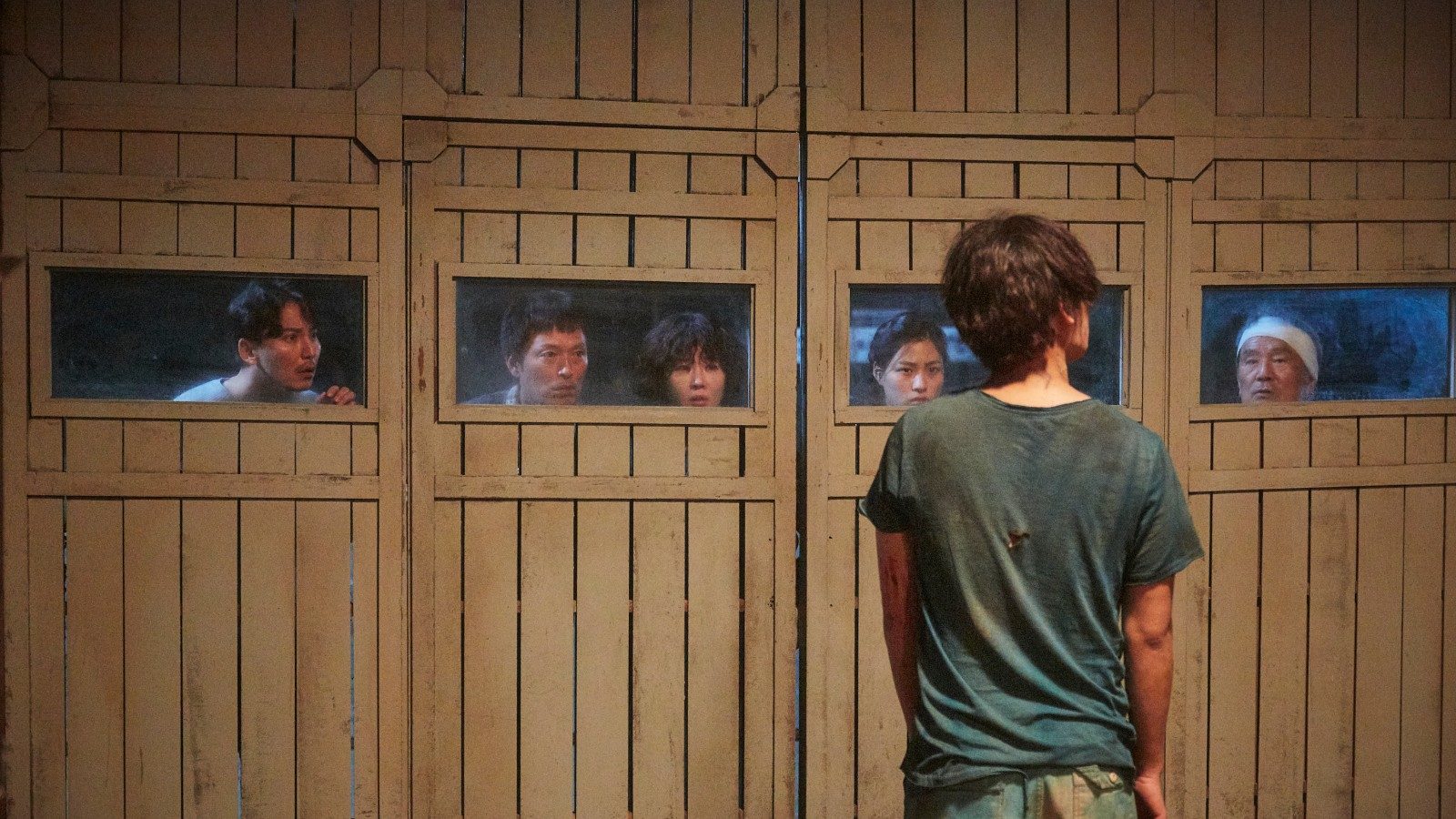
South Korean cinema is weird. I mean that in the best way possible. While most of the world was busy rehashing the same tired tropes of the "slow vs. fast" zombie debate, a small film called The Odd Family: Zombie on Sale (originally titled Gimyohan Gajok) dropped in 2019 and basically flipped the entire genre on its head. It didn’t just add a few jokes to a horror movie. It took a zombie—traditionally a symbol of impending doom—and turned it into a family business asset.
Honestly, if you’re tired of the gritty, depressing vibes of The Walking Dead or even the high-octane stress of Train to Busan, this is the palette cleanser you need. It’s funny. It’s biting. It’s surprisingly smart about how capitalism works in rural towns.
What Really Happens in The Odd Family: Zombie on Sale
The setup is simple but kind of genius. We’re in a quiet, slightly dying rural village. The Park family runs a gas station, but they aren't exactly winning any "Family of the Year" awards. They’re scammers. They’re grifters. They’re basically looking for any way to make a quick buck. When a pharmaceutical experiment goes wrong (as they always do in these movies), a lone zombie wanders into their town.
But here’s the twist: this zombie isn’t particularly scary. He’s kind of a loser.
The family patriarch, Man-deok, gets bitten. Instead of turning into a brain-eating monster, he suddenly feels... younger? His gray hair turns black. His libido returns. He’s full of energy. Suddenly, the "monster" isn't a threat anymore. He’s a fountain of youth.
The family does exactly what any desperate, profit-driven group would do. They put the zombie in the garage and start charging the local elderly men for "rejuvenating" bites. It’s the ultimate gig economy side hustle.
Breaking Down the "K-Zombie" Phenomenon
Director Lee Min-jae clearly knew what he was doing here. By 2019, the world was already obsessed with Korean zombies. Train to Busan had set the gold standard for kinetic, terrifying action. Kingdom on Netflix brought the political intrigue and historical gravity.
The Odd Family: Zombie on Sale exists as a direct satire of those properties. It uses our collective knowledge of zombie rules against us. For instance, the zombie (whom the youngest daughter names "Jjong-bi") has a weird obsession with cabbage and spicy mustard. It’s a hilarious subversion of the "flesh-hungry" beast. Instead of a virus spreading through malice or hunger, it spreads through the vanity of old men wanting to feel young again.
Why the Humor Hits Different
Most Western horror comedies—think Shaun of the Dead—rely on the characters being incompetent or the situations being absurd. This movie does that, but it adds a layer of dry, cynical social commentary that is uniquely Korean.
The middle son, Min-geol, is the only one who has actually seen a zombie movie. He’s the "expert" because he’s been to the city and watched TV. His attempts to explain "zombie logic" to his family, who couldn't care less about the rules of cinema, provide some of the best dialogue in the film.
There's a specific scene involving a wedding and a massive outbreak that feels like a fever dream. It’s chaotic. It’s messy. It’s beautifully choreographed. It highlights the central theme: the family’s greed is far more dangerous than the actual virus.
The Visual Language of the Park Family
You have to look at the cinematography to really appreciate what Lee Min-jae pulled off. The film doesn't look like a low-budget indie. It has this vibrant, almost pastoral color palette that contrasts sharply with the pale, decaying look of Jjong-bi.
- The Gas Station: It’s framed as a fortress of boredom.
- The Village: It feels lived-in, dusty, and stagnant.
- The Zombie: He’s treated more like a stray dog than a monster.
The pacing is deliberate. It starts as a slow-burn character study of a dysfunctional family before escalating into a full-blown survival horror in the final act. But even when the stakes get high, the movie never loses its sense of irony.
Real Expert Insights: The Satire of Modern Korea
If you talk to film scholars like Darcy Paquet (who did the subtitles for Parasite), they often point out how Korean cinema excels at "genre-bending." The Odd Family: Zombie on Sale is a prime example. It isn't just a "funny zombie movie." It’s a critique of the pharmaceutical industry and the desperation of the rural working class.
The "zombie" is a product of illegal human experimentation by a big biotech firm. The family doesn't report it because they don't trust the government or the police. They see a way to exploit a corporate mistake for their own gain. It’s a "trickle-down" economy of the undead.
Why Most People Get the Ending Wrong
Without spoiling the specifics, the third act takes a turn that some viewers find jarring. It goes from a quirky comedy to a legitimate disaster film very quickly.
Some critics argued this tonal shift was a mistake. I disagree. The shift is the point. It shows that you can't domesticate chaos. You can't turn a biological catastrophe into a sustainable business model without eventually losing control. The "rejuvenation" the old men felt was a temporary side effect—a "honeymoon phase" before the literal rot sets in.
It’s a metaphor for any "get rich quick" scheme. It works until it doesn't.
Comparative Analysis: How It Stands Up
When you look at other entries in the genre, The Odd Family holds a unique spot.
Vs. Train to Busan: Train is about sacrifice and the breakdown of society. The Odd Family is about selfishness and the resilience of a family that barely likes each other.
Vs. One Cut of the Dead: The Japanese hit One Cut of the Dead is a love letter to filmmaking. The Odd Family is a love letter to the absurdity of human nature. Both are meta, but The Odd Family feels more grounded in its characters' grimy reality.
Vs. Zombieland: Zombieland is about the "rules" of the apocalypse. The Odd Family is about how those rules don't matter if you can sell the apocalypse for 50 bucks a pop.
Practical Takeaways for Fans of the Genre
If you’re planning on watching this—or if you’ve seen it and want to dive deeper into the world of K-Horror—there are a few things to keep in mind.
First, pay attention to the sound design. The way Jjong-bi eats cabbage is specifically designed to sound like someone eating meat. It’s an auditory bait-and-switch that keeps you slightly off-balance.
Second, watch the background characters. The "old men" of the village are played by veteran Korean character actors who bring a level of physical comedy that is world-class. Their transformation from grumpy seniors to "youthful" zombies is a masterclass in movement acting.
Third, look for the references. There are subtle nods to other horror classics, but they aren't hit-over-the-head parodies. They’re "blink and you'll miss it" moments that reward repeat viewings.
How to Access the Film Today
Finding The Odd Family: Zombie on Sale can be a bit of a hunt depending on your region. In the US and UK, it has frequently popped up on platforms like Shudder or Arrow Video.
- Streaming: Check specialized horror platforms first.
- Physical Media: The Arrow Video Blu-ray release is widely considered the best version, as it includes interviews that explain the cultural context of the rural setting.
- Digital: It’s often available for rent on Amazon or Vudu, but sometimes under the international title The Odd Family: Zombie on Sale.
Actionable Insights for Your Next Movie Night
To get the most out of this film, don't go in expecting World War Z. Go in expecting something closer to Raising Arizona with a dash of George Romero.
- Watch with Subtitles, Not Dubbing: The comedic timing in the original Korean performances is tied heavily to the specific dialect (Satoori) used by the rural characters. Dubbing often flattens this nuance.
- Double Feature Pairing: Pair it with The Wailing for a look at two very different versions of "weird stuff happening in a Korean village."
- Keep an Eye on Jjong-bi: The actor Jung Ga-ram puts in a surprisingly physical performance. His "zombie walk" is less of a shuffle and more of a confused stumble, which adds to the charm.
- Context Matters: Remember that this film was released just before the global pandemic. Watching it now adds a surreal layer of "life imitating art" regarding how people react to viral outbreaks and the desire for "miracle cures."
The film serves as a reminder that the most dangerous thing in a zombie movie isn't always the person with the pale skin and the hunger for brains. Sometimes, it’s the person holding the leash and the cash register. It’s a cynical, hilarious, and ultimately heartfelt look at what happens when a monster meets a family that is just as monstrous in their own mundane way.
If you want to understand the evolution of horror in the 2020s, you have to look at films that refuse to stay in one lane. The Odd Family: Zombie on Sale doesn't just cross lanes; it drives off the road entirely and takes you somewhere much more interesting.
Stop looking for the same old scares and start looking for the cabbage-eating undead. It’s a much better use of your time.
Next Steps for Enthusiasts:
Search for "K-Horror Satire" on Letterboxd to find similar genre-bending titles. Check the current availability of The Odd Family: Zombie on Sale on the JustWatch app to see which streaming service currently holds the rights in your territory. Consider exploring the filmography of lead actor Jung Jae-young if you enjoy the "grumpy father" archetype, specifically his work in Castaway on the Moon.