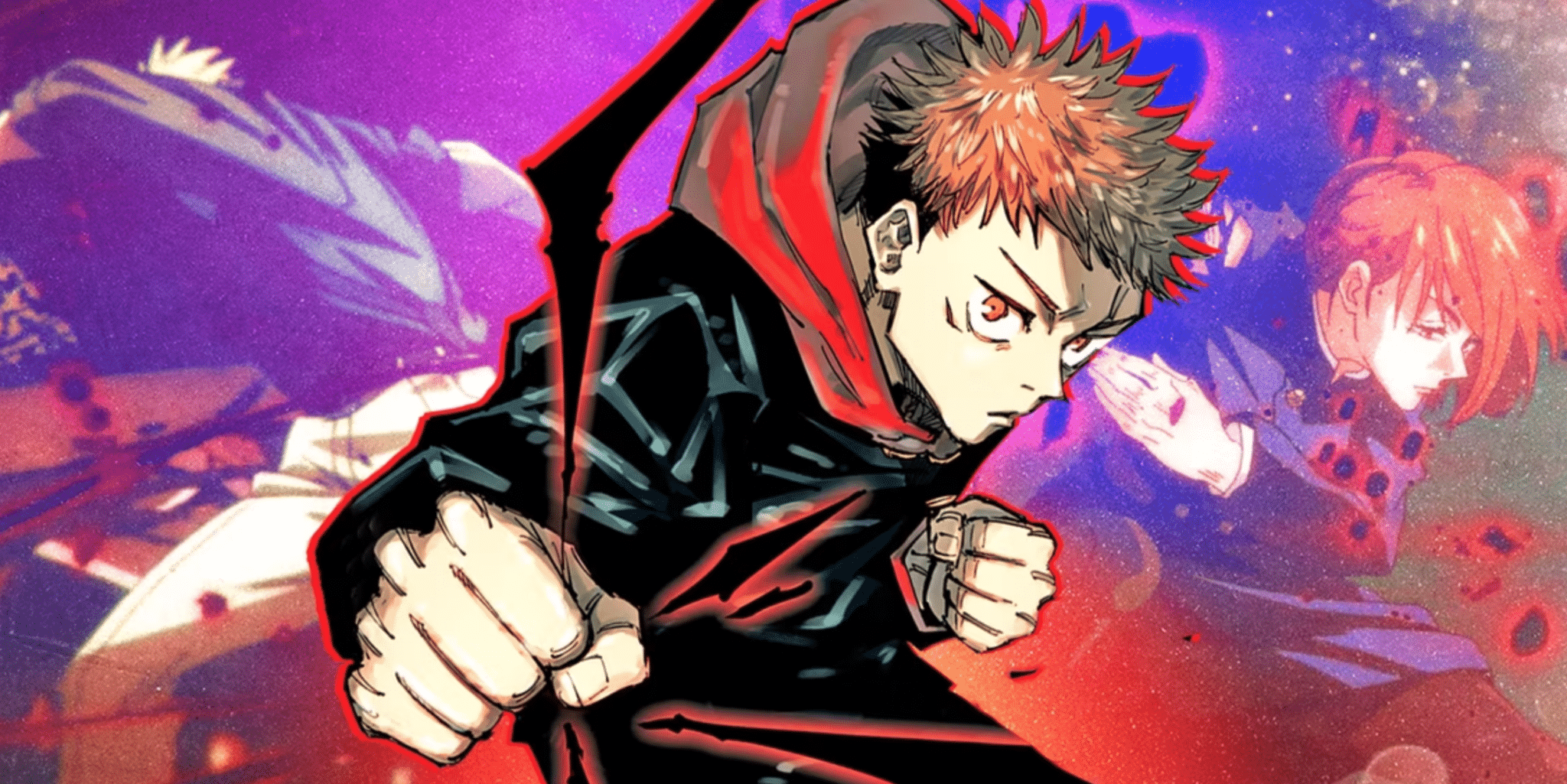
Satoru Gojo is a god. Or at least, that’s how he feels by the time we meet him in the present day of Jujutsu Kaisen. He’s untouchable, arrogant, and basically carries the entire sorcery world on his back. But he wasn't always this way. If you really want to understand why the series shifts from a standard shonen into something much darker and more philosophical, you have to look at the hidden inventory arc jjk. It’s the flashback that ruined—and defined—everyone’s favorite sensei.
Most fans call this the "Gojo’s Past" arc. It’s only a handful of chapters in Gege Akutami’s manga (chapters 65–79), and five episodes in the second season of the MAPPA anime, but the weight it carries is massive. We go back to 2006. Flip phones are everywhere. Gojo is a second-year student at Tokyo Jujutsu High. He’s powerful, sure, but he’s also a bit of a brat. And he’s not alone. He has Suguru Geto.
The Duo That Should Have Been Unstoppable
Back then, they were "The Strongest." Not just Gojo. It was a pair.
Gojo and Geto had this fascinating dynamic where Geto was actually the moral compass. It’s wild to think about now, considering where Geto ends up. Geto believed sorcerers existed to protect the weak (non-sorcerers, or "monkeys" as he’d later call them). Gojo? Gojo just wanted to play basketball and get through the day. He didn't really care about the "sanctity" of protecting people. He did it because it was his job.
The mission that changed everything was the protection of Riko Amanai, the Star Plasma Vessel. She was a middle schooler destined to merge with Master Tengen to keep the world stable. It sounds like a standard escort mission. It wasn't.
Toji Fushiguro: The Man Who Broke the World
Enter Toji Fushiguro. He is the most important character in the hidden inventory arc jjk who isn't actually a sorcerer. He has zero cursed energy. None. In a world where power is everything, he was a "failure" of the Zenin clan. But he traded his energy for a Heavenly Restriction that gave him superhuman physical stats.
Toji is the reality check.
He didn't just walk up and fight Gojo. He tired him out. He used a series of calculated distractions and bounties to keep Gojo’s "Six Eyes" active for days without rest. When Gojo finally let his guard down at the school gates, Toji stabbed him. Literally through the chest. It was shocking. Up until that point, we thought Gojo was invincible. Seeing him bleed—seeing him lose—was a pivot point for the entire franchise.
Toji then "killed" Gojo (or so he thought) and executed Riko Amanai right in front of Geto. That moment is the exact second the story changes. The blood on the floor of the Tombs of the Star Corridor didn't just mark Riko's death; it marked the death of Geto's sanity and Gojo's humanity.
The Enlightenment and the Descent
While Toji was off collecting his paycheck, Gojo was busy doing something impossible. He was learning. On the verge of death, he figured out the core of cursed energy—Reverse Cursed Technique. He healed himself. But he did more than that. He touched the "core" of power.
When he returns to fight Toji again, he isn't the same. He’s floating. He’s manic. He’s speaking in religious metaphors, famously saying, "Throughout Heaven and Earth, I alone am the honored one." This isn't just a cool line. It’s a statement of absolute isolation. By becoming the strongest, he stopped being human. He became a force of nature.
But look at Geto.
While Gojo ascended, Geto descended. He had to live with the failure. He had to watch the cultists—normal people—clap and cheer over the dead body of a young girl. He began to question why he was risking his life to protect people who were essentially "scum." The hidden inventory arc jjk shows the slow rot of his soul. It’s the sound of him swallowing "cursed spirits," which he describes as tasting like a rag used to wipe up vomit. Over and over. Every single day.
Why It Matters for the Present Day
You can't understand the Shibuya Incident or the Culling Game without this context. The friendship between Gojo and Geto is the emotional spine of the series. When Gojo sees "Geto" again in Shibuya, his brain calculates three years of youth in a single second. That's why he gets caught. The hidden inventory arc jjk gives those three years meaning.
It also explains Gojo’s obsession with teaching. He realized that being "The Strongest" alone is a tragedy. If he had been better, if he had noticed Geto’s spiraling mental health, maybe things would have been different. He’s trying to raise a generation where no one has to be "alone" in their strength.
Honestly, the arc is a tragedy disguised as an action prequel. It tells us that power doesn't solve problems; it just changes who you're allowed to talk to about them. Gojo won the fight, but he lost his best friend and his youth.
Key Takeaways from the Hidden Inventory Arc
If you're looking to really grasp the nuances of this story, keep these points in mind:
- Reverse Cursed Technique (RCT) is the "God" Tier: Gojo didn't just get lucky; he unlocked the ability to multiply negative energy by negative energy to create positive energy. This is what allows him to run his brain 24/7 without burning out.
- The "Monkey" Problem: Geto’s term for non-sorcerers started here. It wasn't born out of pure evil, but out of a deep, traumatic disillusionment with the people he was supposed to protect.
- Toji’s Legacy: Toji is the father of Megumi Fushiguro. Gojo taking in Megumi at the end of the arc is a direct result of his respect for the man who almost killed him. It's a complicated, messy circle of debt and trauma.
- Amanai's Choice: The tragedy is that Riko eventually decided she wanted to live. She wanted to go to school and be with her friends. She chose life right before it was taken from her.
How to Apply These Insights
If you're a writer or a storyteller, the hidden inventory arc jjk is a masterclass in how to use a prequel. Don't just show "how the hero got his powers." Show how the hero lost his heart.
For fans, re-watching the first season after seeing this arc is a completely different experience. Every time Gojo mentions his "best friend," or every time he seems a little too detached from reality, you now know the exact moment that detachment began. It turns a "cool" character into a deeply lonely one.
Next time you see Gojo's blindfold, don't just see a fashion choice or a power limiter. See it as a barrier. He’s the man who sees everything but couldn't see his friend's pain until it was too late. That’s the real legacy of the Hidden Inventory. It’s a reminder that even the strongest eyes can be blind to what matters most.