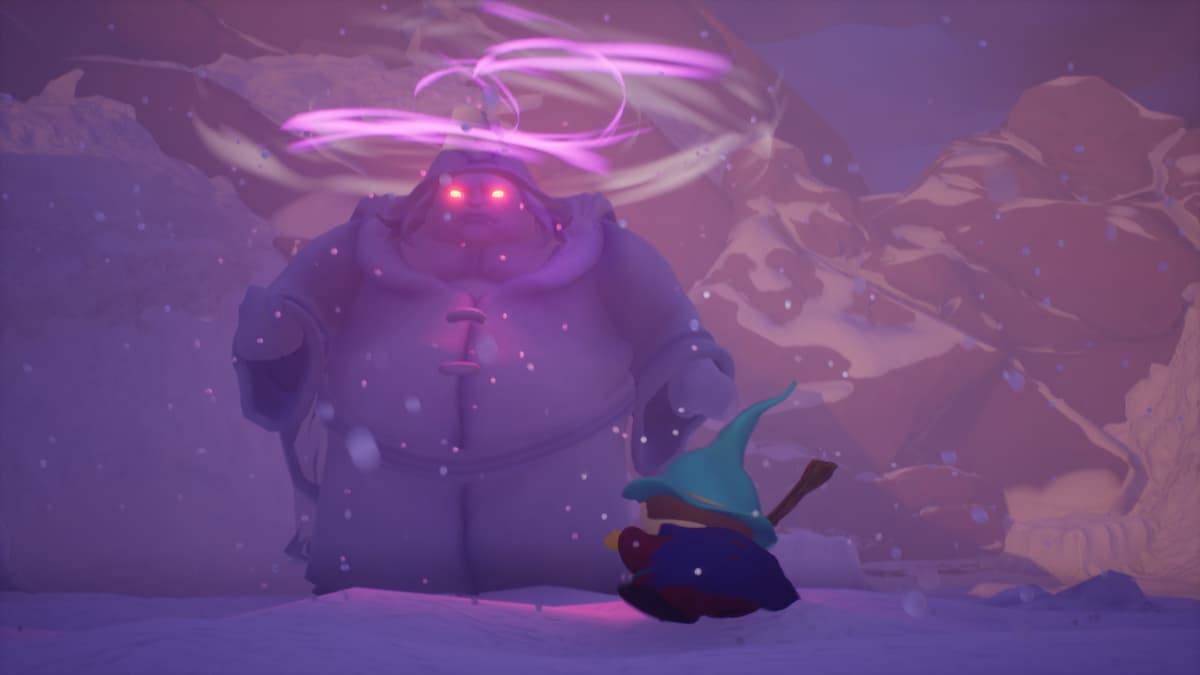
Eric Cartman is a monster. We know this. He’s ground parents into chili and tried to exterminate entire demographics. But when that high-pitched, nasal voice starts hitting a melody? Honestly, it’s magic. South Park songs Cartman performs aren’t just throwaway gags; they are the backbone of the show’s satirical DNA.
Think about it.
Trey Parker and Matt Stone are theater nerds at heart. They didn't just stumble into a Tony Award for The Book of Mormon. They’ve been honing that craft since 1997 through a fat, bigoted eight-year-old in a red jacket. Most people remember the shock humor, but the musicality is what keeps the show in the cultural zeitgeist. It’s the contrast. You have this vile, selfish character expressing his deepest, most narcissistic desires through the medium of Broadway-style show tunes or aggressive 90s hip-hop.
The Formula Behind the Earworms
What makes a Cartman song work? It’s rarely about the music being "bad." In fact, the production quality is usually surprisingly high. Take "Kyle's Mom's a Bitch." It’s a masterpiece of composition. It starts as a simple taunt and evolves into a world-tour-inspired anthem with backup singers and choreography. It works because it captures Cartman’s singular focus: his unwavering commitment to being a hater.
He doesn't just dislike Kyle. He needs the entire world to participate in a rhythmic, multi-cultural celebration of that dislike.
It's All About the Ego
Every time Cartman breaks into song, he’s the protagonist of his own movie. Whether he’s singing about "Minorities in My Waterpark" or his weirdly heartfelt "Poker Face" cover, he is 100% committed. There is no irony in Cartman's voice. He truly believes he is the victim or the hero of every story. This is why the South Park songs Cartman leads are so much more effective than the ones sung by Stan or Kyle. Stan is too cynical. Kyle is too moral. Cartman is pure, unadulterated id.
The Evolution of the Cartman Vocal
In the early seasons, Cartman’s singing was a bit rougher. It was more about the screech. As the show progressed, Trey Parker (who voices Cartman) clearly started taking the vocal performances more seriously.
- The Early Era: "O Holy Night." This is the gold standard for early South Park. It’s just Cartman being shocked with a cattle prod while trying to remember the lyrics. It’s physical comedy translated into audio.
- The Cinematic Era: "Up There." Technically, this is Satan's song in the Bigger, Longer & Uncut movie, but it set the stage for how the show would handle "I Want" songs. Cartman eventually got his own versions of these, like "In the Ghetto" or his various laments about being "oppressed."
- The Genre Parody Era: This is where things get interesting. When Cartman forms a Christian rock band (Faith + 1), the songs aren't just funny because they're about Jesus. They’re funny because they perfectly mimic the breathy, mid-tempo acoustic pop of the early 2000s.
"I wasn't calling you a 'bitch' in front of your mom... I was calling your mom a 'bitch' in front of you." That line from the movie shouldn't be catchy. Yet, here we are, decades later, and it’s still an absolute banger.
Why "Social Justice 1-2-3" Changed Everything
In later seasons, the show shifted. It wasn't just about Cartman being a brat; it was about Cartman co-opting social movements for his own gain. When he sings about being "PC" or his relationship with Heidi, the music becomes more complex.
It’s subtle.
He uses the language of modern pop and R&B to mask his toxicity. The song "Safe Space" is a perfect example. It features Randy and Cartman, but Cartman’s parts highlight his delusional need to be shielded from the consequences of his own actions. It’s a searing indictment of internet culture, wrapped in a melody so sweet you almost forget he’s a sociopath.
The Technical Side of the Squeak
Recording these tracks isn't easy. Trey Parker has mentioned in various "making of" shorts that doing the Cartman voice for long periods is taxing. Now imagine doing that while hitting notes. They often use a bit of pitch-shifting in post-production to get that perfect, slightly-inhuman "child" quality, but the emotive power is all Parker. He breathes life into the character's delusions.
If you listen to the isolated vocals for something like "Eric, We Love You," you can hear the tiny breaks and gasps. It sounds like a real kid who is desperately trying to convince himself he’s loved. It’s pathetic. It’s hilarious. It’s brilliant.
Impact on the Charts and Beyond
Did you know "Chocolate Salty Balls" actually hit number one on the UK Singles Chart? Okay, that was Chef (Isaac Hayes), not Cartman. But Cartman’s influence is all over the Chef Aid and Mr. Hankey's Christmas Classics albums. These aren't just novelty records. They are legitimate pieces of musical satire that have influenced a generation of comedians.
Bo Burnham? Weird Al? They owe a debt to the way South Park songs Cartman performs utilize genre-hopping to land a joke.
Common Misconceptions
People think the songs are just there to fill time. "They're just being offensive for the sake of it," some critics say. Honestly? That's a lazy take. If you look at the structure of "Kyle’s Mom," it follows the classic Broadway "11 o'clock number" format. It builds tension, introduces a counter-melody, and finishes with a huge, theatrical climax. It’s sophisticated writing disguised as fart jokes.
- Fact: The song "Blame Canada" from the movie was nominated for an Academy Award.
- Reality: While Cartman doesn't lead that specific track, his presence in the musical landscape of the film redefined what adult animation could do with music.
The Top Tier Cartman Tracks You Forgot
Everyone knows the big hits. But there are some deep cuts that really showcase the range.
"Wild West Show" from the episode where they go to a frontier theme park is a masterclass in Cartman’s ability to ruin a moment. Then there’s his rendition of "Heat of the Moment" by Asia. He sings it to Congress. It’s a plea for stem cell research (strictly so he can use them for something selfish, obviously). The choice of song is perfect. It’s exactly the kind of power ballad a kid like Cartman would think is the height of emotional resonance.
Then we have "Lady Gaga's Poker Face."
It’s short.
It’s played on Guitar Hero.
And yet, it is arguably more famous than the original for a certain subset of the population. Why? Because the phrasing is impeccable. "I don't give a crap-p-p-p." It’s a tiny lyrical tweak that fits the character's voice perfectly.
How to Appreciate the Musicality
If you want to actually "study" these (if you can call watching South Park studying), pay attention to the arrangements.
Usually, the show uses a lot of brass and soaring strings when Cartman is feeling particularly "heroic." When he’s being "sensitive" (read: manipulative), the music shifts to soft piano or acoustic guitar. The creators use these musical cues to trick our brains into feeling sympathy for a character who deserves none. It’s a psychological trick. We are conditioned to respond to certain musical tropes, and South Park exploits that brilliantly.
Actionable Insights for Fans and Creators
If you’re a fan or a creator looking to understand why these songs work, here is the takeaway:
- Character first, melody second: A Cartman song only works because it’s something only Cartman would say. It’s not a generic funny song; it’s a character study set to music.
- Commit to the bit: The reason "Faith + 1" is funny is that they aren't winking at the camera. They are playing the Christian rock tropes completely straight.
- Contrast is king: Put the most offensive lyrics possible over the most innocent, "Disney-esque" melody you can find. The friction between the two is where the comedy lives.
To truly dive deeper into the world of South Park’s music, look for the 25th Anniversary Concert at Red Rocks. Hearing the Colorado Symphony play these songs while Trey Parker sings in the Cartman voice live on stage is the ultimate proof of their musical legitimacy. It’s not just a cartoon. It’s a long-running, foul-mouthed operetta.
Next time you hear that familiar "Wellll..." you know exactly what’s coming. It’s going to be offensive, it’s going to be loud, and it’s probably going to be stuck in your head for the next three weeks. That is the power of the Cartman songbook. It’s a testament to the fact that even the most despicable character can be the most entertaining if you give him a good enough hook.
Stop thinking of them as "cartoon songs." Start thinking of them as the satirical masterpieces they actually are. Go back and listen to "California Love" from the "Night of the Living Homeless" episode. Pay attention to how Cartman handles the rhythm. It’s better than it has any right to be. And that, basically, is the story of South Park's musical legacy in a nutshell.
To get the most out of your South Park musical experience, start by building a playlist that contrasts his "innocent" songs like "O Holy Night" with his more aggressive tracks like "Minorities in My Waterpark." This highlights the range of the parody. If you're a musician, try transcribing the melody of "Kyle's Mom's a Bitch" to see how it uses standard musical theater tropes to create a sense of scale. Finally, watch the "Making Of" documentaries for Bigger, Longer & Uncut to see how Marc Shaiman (the legendary composer) helped elevate these tracks into Oscar-nominated territory.