Solihull is weird. Honestly, it’s one of those places that shouldn't work on paper but somehow manages to be the wealthiest, most manicured pocket of the region while sitting right on the doorstep of Birmingham. Most people driving through the Solihull West Midlands England corridor see the airport or the NEC and think that’s all there is to it. They’re wrong.
It’s posh.
You’ve probably heard the "Urbs in Rure" motto—Town in the Country. It sounds like a marketing gimmick from a 1950s developer, but walk down the High Street and you’ll see they actually meant it. You have massive, sprawling parks like Brueton and Malvern literally touching the edge of a high-end shopping district. It's a vibe.
The Myth of the "Boring" Commuter Town
People love to call Solihull a dormitory for Birmingham.
That’s a massive oversimplification. While a huge chunk of the population does hop on the train at Solihull station or Widney Manor to get into New Street, the town has its own gravitational pull. It’s a massive economic engine. Think about Jaguar Land Rover (JLR) in Lode Lane. That’s not just a factory; it’s a global headquarters that dictates the pulse of the local housing market. When JLR is hiring, the house prices in Hillfield and Monkspath go through the roof.
The town isn't just surviving on Birmingham's scraps. It’s thriving because it offers something the city center can't: a weirdly perfect balance of high-street retail and actual, honest-to-god greenery.
The Touchwood Factor
Touchwood isn't just a shopping mall. It's the town's living room. When it opened in 2001, it changed the entire DNA of the area. Suddenly, people from Coventry and South Birmingham were flocking here. It didn’t feel like a sterile 90s shopping center; it felt integrated. John Lewis is the anchor, obviously, but the real secret is the way the architecture flows into the historic areas.
You can walk from a glass-fronted Apple store to a 16th-century timber-framed building like the George Hotel in about three minutes. That contrast is what makes Solihull West Midlands England feel like a real place instead of a planned suburb.
Why the Schools Change Everything
If you want to know why people pay a "Solihull Premium" on their mortgage, look at the schools. It’s the primary driver of the local economy. You’ve got the "Big Three" independent schools—Solihull School, St Martin’s (now merged), and the various high-performing grammars nearby.
But even the state schools like Tudor Grange or Arden Academy are constantly oversubscribed.
Parents literally move house by three streets just to get into the right catchment area. It creates this competitive, high-achieving atmosphere that permeates the whole borough. It’s stressful for the kids, maybe, but it keeps the property values bulletproof. Even during the 2008 crash and the post-2020 fluctuations, Solihull stayed remarkably stable compared to the rest of the West Midlands.
The Village Divide: Know Your Areas
Solihull isn't a monolith. It’s a collection of villages that got swallowed up by urban sprawl but desperately try to keep their own identities.
- Knowle and Dorridge: This is the "old money" section. It’s leafy, quiet, and incredibly expensive. If you see a Bentley, it’s probably heading here. The high street in Knowle is genuinely beautiful, with the 15th-century Guild House standing as a reminder that this place existed long before the Industrial Revolution.
- Shirley: The scrappy younger sibling. Shirley has the "Longest High Street in Britain" (or so the local legend goes). It’s more affordable, more diverse, and has a better range of independent supermarkets and curry houses than the main town center.
- Castle Bromwich and Chelmsley Wood: Often forgotten when people talk about "Posh Solihull." These areas are further north and have a much more working-class, industrial feel. They are part of the borough but feel worlds apart from the manicured lawns of Solihull South.
- Dickens Heath: A modern experiment. It’s a "new build" village designed to look like an old European town. Some people find it a bit "Truman Show," but for young professionals, the canal-side bars and apartment living are a massive draw.
The Hidden History Nobody Mentions
Everyone talks about the cars and the shops. Hardly anyone mentions the fact that Solihull was a massive hub for the iron industry way back when. Or the fact that the parish church, St. Alphege, has a spire that has been dominating the skyline since the 15th century.
There’s a deep-seated history here that gets buried under the "affluence" label. The name itself comes from "Soily Hill"—basically a muddy hill where people kept their pigs. From pig farmers to Porsche drivers in a few centuries. Not bad.
The Logistics of Living Here
Transport is the town's superpower. You’re ten minutes from Birmingham Airport (BHX) and the Birmingham International train station.
You can be in London Euston in about 70 minutes if you catch the right Avanti West Coast service.
The M42 cuts right through the borough, linking you to the M6 and the M40. It’s the ultimate "connector" town. But this comes with a price: traffic. The Stratford Road in Shirley is a nightmare at 5:30 PM. The M42 junction 6 is basically a permanent construction site. If you’re moving here, you have to accept that your life will revolve around navigating these bottlenecks.
Is it actually "The Best Place to Live"?
Several years ago, the uSwitch Quality of Life index actually named Solihull the best place to live in the UK.
Why?
It wasn't because of the weather (it’s still the Midlands, expect rain). It was because of the disposable income levels, the low crime rates, and the broadband speeds. It’s a functional town. It works. It’s safe.
But it’s not for everyone. If you want "edgy" or "bohemian," you’re in the wrong place. Go to Digbeth for that. Solihull is about comfort, safety, and a very specific kind of middle-class aspiration. It’s where you go when you’re done with the chaos of the city but still want a decent flat white and a Zara.
Actionable Steps for Navigating Solihull
If you're visiting or planning a move, don't just stick to the town center.
- Visit Baddesley Clinton: It’s a moated manor house just outside the borough border but very much part of the local lifestyle. It has priest holes from the Reformation and incredible gardens.
- Eat in Shirley: Skip the chains in Touchwood for one night. Go to Shirley and find an independent balti house. The food is more authentic and half the price.
- Check the Council Tax: Be warned, Solihull Metropolitan Borough Council has its own rates, and they aren't always the cheapest. Factor that into your housing budget.
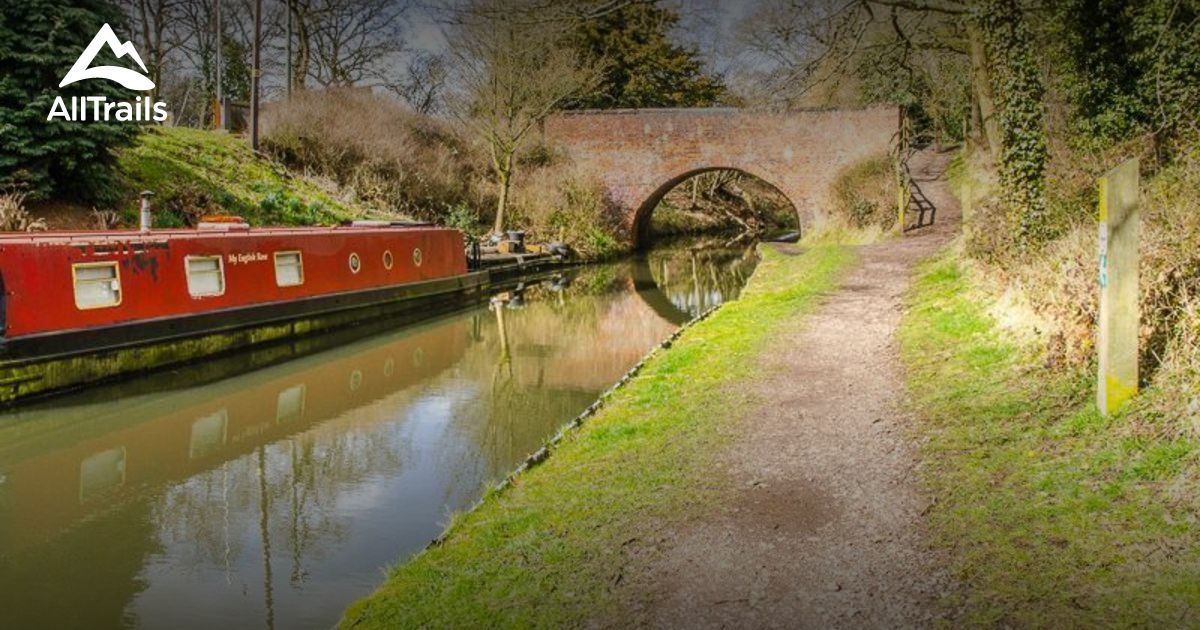
- Walk the Grand Union Canal: You can walk from Solihull all the way to Leamington Spa if you have the legs for it. The stretch through Catherine-de-Barnes is particularly peaceful.
- Park at Monkspath: If you're heading to the NEC or the Airport and want to avoid the astronomical parking fees, look at the local bus routes from the southern suburbs.
Solihull is a place of contradictions. It’s a "soily hill" that became a luxury destination. It’s a town that pretends to be a village. It’s part of the West Midlands but often feels like its own private island. Whether you’re here for a job at JLR or just looking for a safe place to raise kids, understanding the local geography—and the distinct personalities of its villages—is the only way to really make sense of it.
Get off the M42. Drive past the airport. Head toward the spire of St. Alphege. That's where the real Solihull starts.