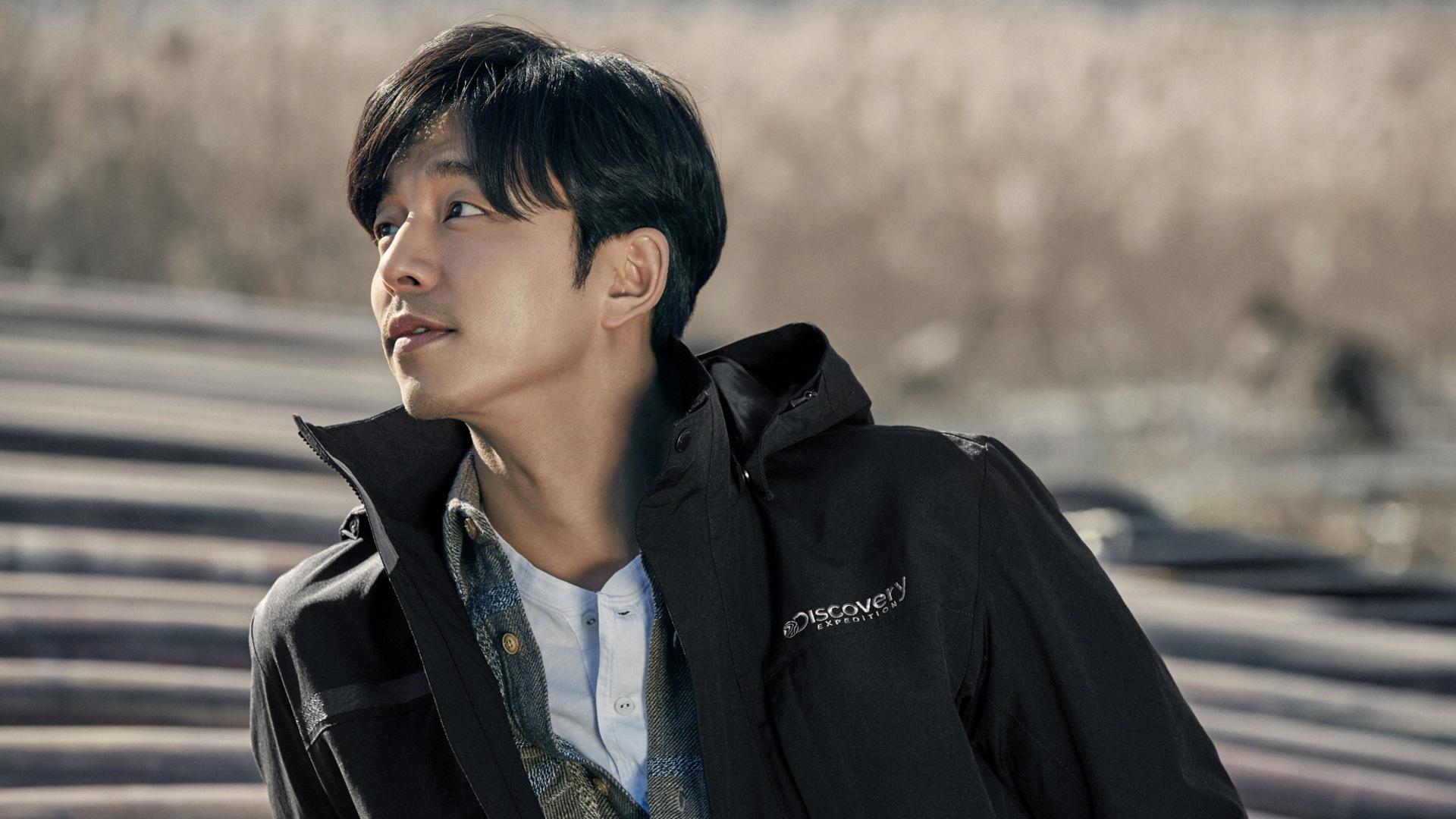
Jung Ji-hoon is a name you might not recognize immediately, but say the word Rain to anyone who followed the early days of the Korean Wave, and you'll see their eyes light up. He wasn't just another singer. Honestly, he was the blueprint. Before BTS was selling out stadiums globally and before "Gangnam Style" broke the internet, Rain was the first South Korean actor and singer to truly crack the Western shell, and he did it with a mix of sheer physical discipline and a stage presence that felt almost dangerous.
People forget how massive he was.
Back in 2006 and 2011, Time magazine listed him as one of the 100 most influential people in the world. That didn't happen because of a viral TikTok dance. It happened because he was a workhorse who redefined what a "multi-hyphenate" entertainer looked like in Seoul. He was a skinny kid from a struggling family who transformed himself into a muscular, gravelly-voiced icon who could out-dance anyone in the industry.
The Gritty Origin Story Most Fans Overlook
Rain’s early life wasn't a K-drama fantasy. It was tough. Really tough. He grew up in a household where money was scarce, and his mother suffered from diabetes. Because they couldn't afford treatment, she passed away in 2000, just as he was starting his career. This loss didn't just sad him; it fueled a borderline obsessive work ethic that still defines him today. He once mentioned in an interview that he didn't eat for days during his trainee years because he simply didn't have the cash.
He started in a boy band called FanClub. They failed. Hard. Most people would have quit and found a "real" job. Instead, he auditioned for JYP Entertainment. Park Jin-young, the founder of JYP, famously said he rejected Rain nineteen times because of his looks—specifically because he didn't have double eyelids, which was the "standard" back then. On the twentieth try, Park saw the hunger in his eyes. He took him on as a backup dancer for stars like Park Ji-yoon.
He stayed in the shadows, learning. Waiting.
When he finally debuted as a solo artist in 2002 with the album Bad Guy, the industry shifted. He wasn't the "pretty boy" archetype. He was masculine, athletic, and had this weirdly charming smirk. By the time It's Raining dropped in 2004, selling over a million copies across Asia, the "Rain Effect" was officially a regional phenomenon.
Breaking the "Actor-Singer" Curse
In South Korea, there used to be a bit of a stigma. If you were a singer, stay a singer. If you were an actor, stay an actor. Rain ignored that. His role as the arrogant but lovable Lee Young-jae in the 2004 drama Full House is legendary. It reached viewership ratings of over 40% in Korea and was exported to dozens of countries.
Suddenly, he wasn't just a pop star. He was a household name from Manila to Beijing.
This crossover success paved the way for his Hollywood ambitions. Think about the guts it took for a Korean artist in the mid-2000s to try and headline a Western film. He landed a role in the Wachowskis' Speed Racer (2008), but his real "I’ve arrived" moment was Ninja Assassin in 2009.
He trained for six months.
Hours of martial arts daily.
A diet so strict it would make a pro athlete cry.
He became the first Korean to win an MTV Movie Award. Sure, the movie itself got mixed reviews, but that wasn't the point. The point was that a South Korean actor was the lead in a major Hollywood production. He showed the world that Asian actors weren't just sidekicks or caricatures; they could be the "tough guy" lead.
The Business of Being Rain
Rain isn't just a performer; he’s a savvy businessman. He founded J. Tune Entertainment in 2007, which eventually merged with JYP. Later, he established the R.A.I.N. Company. He has a knack for reinventing himself just when people think he’s fading out.
Take the "Gang" phenomenon from a few years ago.
In 2017, he released a song called "Gang." At first, the internet mocked it. The lyrics were seen as "cringe" and the dancing was a bit too much for the modern aesthetic. It was a meme. But instead of getting offended or hiding, Rain leaned into it. He went on variety shows, laughed at himself, and basically told the public, "Yeah, I'm old school, what of it?"
The "One Gang a Day" challenge became a massive trend. He turned a potential career-ending joke into a multi-million dollar endorsement spree. Brands like Levi's and Nongshim (the shrimp cracker guys) rushed to sign him. It was a masterclass in PR. He proved that longevity in the entertainment world isn't about being perfect; it's about being relatable and resilient.
Life With Kim Tae-hee: The Ultimate Power Couple
You can't talk about Rain without mentioning his wife, Kim Tae-hee. In Korea, she’s often called the "Nation's Goddess" because of her beauty and intellect (she’s a Seoul National University grad). They married in 2017 in a surprisingly low-key ceremony at a Catholic church that reportedly cost only about $1,100.
In a world of flashy celebrity weddings, that move earned them a lot of respect.
They are incredibly private. You won't see them plastering their kids' faces all over Instagram. This privacy has actually helped maintain their "A-list" aura. They are frequently cited as the wealthiest celebrity couple in South Korea, primarily due to their massive real estate holdings in affluent areas like Gangnam and Hannam-dong. They don't just rely on acting checks; they've built a property empire.
Why He Still Matters in the Age of BTS
It's easy to look at the global dominance of 4th and 5th generation K-pop groups and think of Rain as a "legacy act." That’s a mistake. Rain provided the framework for the global K-pop idol. He was the first to emphasize the "total package"—the intense choreography, the physical fitness, the cross-border acting, and the English-language attempts.
He also remains a mentor. Through his YouTube channel, "Season B Season," he connects with a younger generation of fans who might not have been alive when Full House aired. He’s funny, he’s humble, and he’s still in better shape than most twenty-somethings.
His influence is everywhere:
- The "beastly idol" trend of the late 2000s? That was inspired by him.
- Soloist autonomy? He paved that road.
- The shift toward muscular physiques in K-pop? That's his legacy.
Rain showed that a Korean artist could be a global brand. He didn't have the internet as we know it today. He didn't have social media algorithms to push his content. He did it through physical tours, physical CDs, and sheer force of will.
Understanding the Rain Legacy
If you're looking to understand the history of Hallyu, you have to start with Rain. He wasn't just a part of the wave; he was the one who helped break the dam. Whether he's acting in a gritty thriller like The Ghost Doctor or producing the next boy group (like Ciipher), he continues to shape the landscape of Korean entertainment.
He’s survived scandals, military service controversies, and the fickle nature of pop music trends. He's still here. That, in itself, is his greatest achievement.
Actionable Steps for Fans and Creators
To truly appreciate the scope of Rain's career and apply his lessons to your own life or fandom, consider these steps:
- Watch the "Gang" Performance: Don't just watch the music video; watch his live performances from the 2020 resurgence. Observe how he handles criticism by turning it into a brand. It's a lesson in "reputational pivot."
- Binge Full House: If you want to see why K-dramas became a global obsession, this is the textbook. It's dated, sure, but the chemistry between Rain and Song Hye-kyo is the gold standard for the "enemies-to-lovers" trope.
- Analyze the "Workhorse" Mentality: Rain’s training for Ninja Assassin is documented in various behind-the-scenes clips. For anyone in a creative or athletic field, it's a sobering look at what "giving 100%" actually requires.
- Follow "Season B Season": This is where the "real" Jung Ji-hoon comes out. It’s the best way to see how a veteran star maintains relevance in a digital-first world without losing his original identity.
Rain isn't just a singer or an actor. He's a survivor who turned a difficult childhood into a global empire. He's the proof that in the world of entertainment, talent gets you in the door, but grit keeps you in the room for twenty-five years.