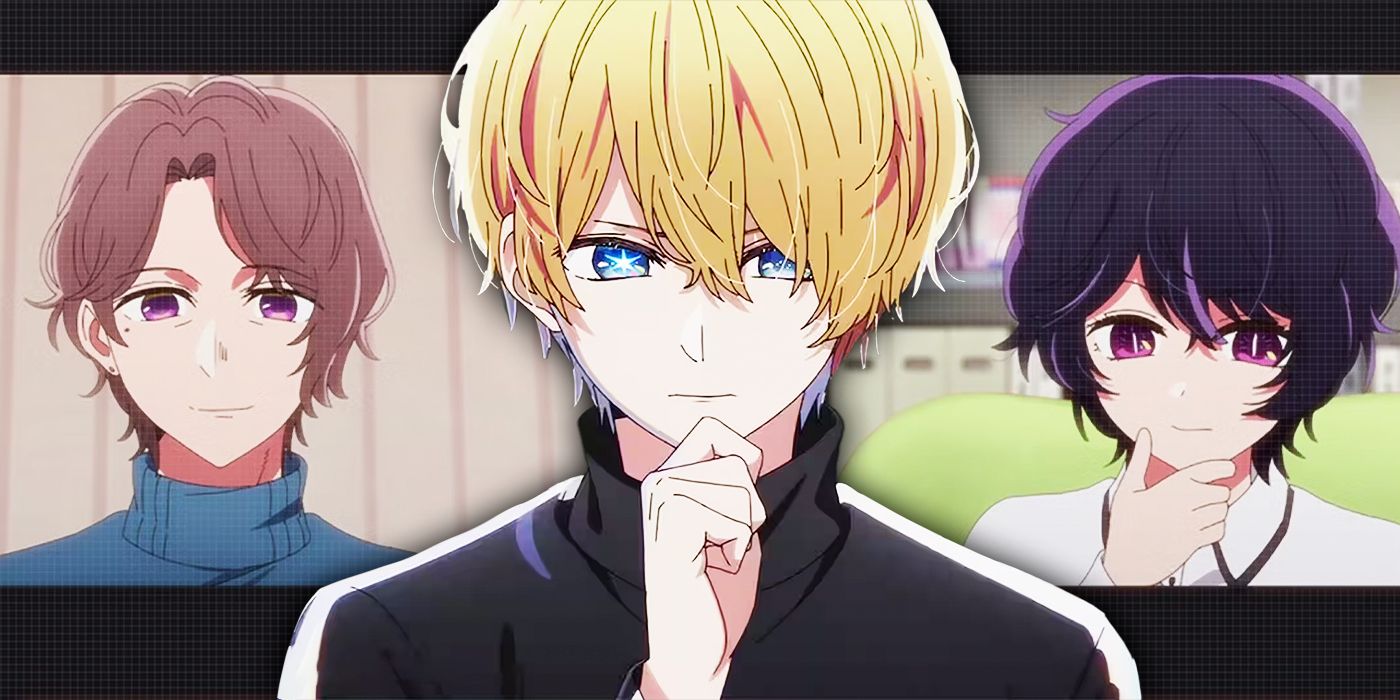
Wait. Stop. Before we talk about the visuals or the music, we have to talk about the absolute gut-punch that is Oshi no Ko Season 2 Episode 10. If you thought this show was just about idols dancing in sparkly outfits, you haven't been paying attention. This specific episode, titled "Liberation," does something most anime wouldn't dare—it strips away the "showbiz" glamour and forces us to look at the wreckage of a human being.
It's heavy.
Honestly, the way Aqua Hoshino’s trauma is handled here is some of the most sophisticated writing in modern media. We’re deep into the 2.5D Stage Play arc, or rather, we’re dealing with the emotional fallout of it. Everything that has been simmering under the surface for two seasons finally boils over.
The Mental Breakdown of Aqua Hoshino
Aqua is a mess. There’s no other way to put it. In Oshi no Ko Season 2 Episode 10, we see the psychological cost of his obsession with revenge. He’s been using acting as a tool, a cold, calculated means to an end to find his father. But the human brain doesn't work like a spreadsheet. You can't just compartmentalize a dead mother and expect to function.
During the climax of his performance, Aqua has to trigger a "dark" acting style. He uses his own PTSD to fuel his stage presence. It’s effective? Sure. It’s also incredibly self-destructive.
Seeing him collapse afterward is a reality check. The series, created by Aka Akasaka and illustrated by Mengo Yokoyari, has always been cynical about the entertainment industry, but this episode shifts the lens toward mental health. It asks a terrifying question: Is your art worth your sanity? Most people would say yes for the sake of the "grind," but the animation by Doga Kobo makes it clear that Aqua is drowning.
The visuals shift. The colors get muted. You feel the claustrophobia of his mind. It’s not "cool" edgy; it’s genuinely uncomfortable to watch.
What Most People Get Wrong About the "Liberation"
A lot of fans online keep talking about Aqua "leveling up" his acting. That’s the wrong way to look at it. This isn't a Shonen power-up where the hero gets stronger by screaming. It’s the opposite. It’s a breakdown.
The title "Liberation" is ironic. Is he liberated from his past? Or is he finally surrendering to the darkness he’s been trying to control?
Kana Arima and Akane Kurokawa are watching this happen, and their reactions tell two different stories. Akane, with her terrifyingly sharp intuition, sees exactly what Aqua is doing. She knows he’s ripping his own wounds open for the sake of the play. Kana, on the other hand, is focused on the professional rivalry, at least initially. The tension between these three characters in Oshi no Ko Season 2 Episode 10 is thick enough to cut with a knife.
The 2.5D Stage Play Arc: Why It Matters
The "Tokyo Blade" play isn't just a backdrop. It’s a meta-commentary on the industry. We see the writers, the actors, and the producers all clashing. In this episode, we see the culmination of Abiko Samejima’s vision.
The struggle between the original manga creator and the scriptwriter was a huge theme earlier in the season. Now, we see the result. It’s a masterpiece on stage, but the cost behind the scenes is astronomical. This is a real-world reflection of how many anime and manga creators actually live. Look at the hiatuses of famous authors—Togashi (Hunter x Hunter) or even Akasaka himself moving away from drawing to just writing. The burnout is real.
Aqua’s performance is a bridge. He connects the fictional world of Tokyo Blade with his real-life tragedy. When he cries on stage, it’s not just the character Touki crying. It’s Aqua. It’s Gorou. It’s a mourning son.
Subtle Details You Might Have Missed
The sound design in this episode deserves an award. Seriously. Pay attention to the silence. When Aqua is in the middle of his emotional spiral, the background noise drops out. It’s just his breathing and the faint sound of his heartbeat.
Also, look at the eyes. One of the signature motifs of Oshi no Ko is the stars in the eyes. In this episode, the way the light leaves Aqua’s eyes—or turns into a void—is a visual storytelling masterclass. It’s a stark contrast to Ruby, who is still largely in the dark about the true depth of Aqua’s plan.
The Reality of Child Actors and Trauma
This episode leans heavily into the "E-E-A-T" (Experience, Expertise, Authoritativeness, and Trustworthiness) of the entertainment world. It references the long-term effects of being a child star. Aqua and Ruby were born into the spotlight, literally.
Psychologists often talk about "arrested development" in child stars. Aqua is technically an adult in a teenager’s body, but he’s still stuck in the moment of Ai’s death. He hasn’t aged past that trauma. Oshi no Ko Season 2 Episode 10 forces him to confront the fact that he can’t keep living as a ghost.
Actionable Insights for Fans and Creators
If you’re a creator, or even just a fan, there are a few things to take away from this episode:
- Acknowledge the Burnout: Aqua’s "success" on stage comes at the price of his health. Recognize when your own "grind" is actually just self-harm.
- Media Literacy Matters: Don't just watch for the plot. Look at the framing. The way Director Gotanda observes Aqua in this episode shows the difference between a mentor who cares and a producer who just wants a hit.
- Check on Your Friends: Akane’s role in this episode is a reminder that even when someone is "performing" well, they might be breaking inside.
- Support Original Creators: The friction between Abiko and the production team highlights how much work goes into a single episode of anime. Support the industry through official channels like HIDIVE or Crunchyroll.
The episode ends on a note that feels like a cliffhanger, but also like a finality. The play is ending, but the real game—the hunt for the father—is about to enter its most dangerous phase. Aqua is no longer the same person he was at the start of the season. He’s more capable, yes, but he’s also much more broken.
The next steps for viewers are clear: re-watch the scene where Aqua collapses and look at the background characters. Their expressions tell the real story of the industry’s complicity in his trauma. Once the curtain falls, the masks stay on for everyone but the audience. Keep a close eye on the subtle shifts in Akane’s behavior in the following scenes, as her knowledge of Aqua’s secret becomes the most dangerous variable in the story moving forward.