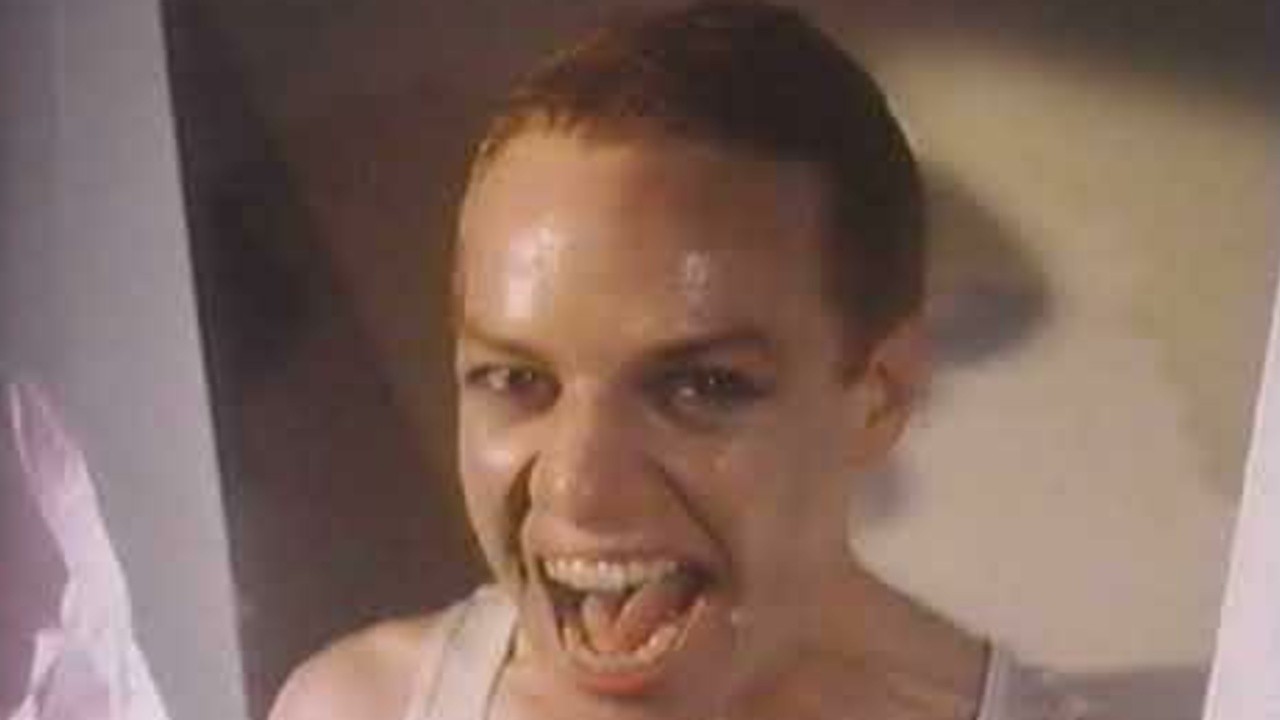
Danny Elfman is a household name now. You know him from the Simpsons theme, every Tim Burton movie ever made, and his massive orchestral scores that define modern Hollywood. But before he was the king of cinema soundtracks, he was fronting a chaotic, theatrical new wave band called Oingo Boingo. And in 1981, they released a song that people are still arguing about today.
Little Girls by Oingo Boingo is, to put it lightly, a lot to process.
If you’ve ever heard it, you know the vibe. It starts with that frantic, jerky energy that defined the early 80s California ska-punk scene. But then the lyrics hit. It's written from the perspective of a middle-aged man expressing a preference for underage girls. It’s uncomfortable. It’s abrasive. And it was designed to be exactly that.
The song dropped as the opening track on their debut album Only a Lad. Since then, it’s lived a thousand lives. It was a staple on KROQ. It became a viral meme on TikTok decades later. It has been held up as a masterpiece of satire and condemned as a piece of irredeemable trash.
Most people get it wrong because they look at it through a modern lens without the context of the L.A. art-punk scene. Or, they lean too far into defending it without acknowledging why it makes folks feel genuinely sick to their stomachs.
The Art of Being Ugly
Danny Elfman didn't write this song because he was a predator. He wrote it because he wanted to be a mirror.
Back in the late 70s, Oingo Boingo evolved out of "The Mystic Knights of the Oingo Boingo," which was less of a band and more of an avant-garde musical theater troupe. They used masks, props, and extreme characters. When they transitioned into a rock band, they kept that "character" element.
When you listen to Little Girls by Oingo Boingo, you aren't hearing Elfman’s diary. You’re hearing a character study of a creep.
The 1980s were a weird time for pop music. You had bands pushing boundaries just to see where the line was. Elfman has stated in multiple interviews, including a notable 2014 chat with The A.V. Club, that the song was intended to be a giant middle finger to social norms and a way to poke fun at the "dirty old man" trope that was often ignored in polite society.
He wanted to make people squirm. He succeeded.
The music video—which is a fever dream of its own—features Elfman in a surreal, distorted house surrounded by people who look like they stepped out of a German Expressionist film. It doesn't glamorize the subject; it makes everything look sickly, orange, and wrong. If the goal was to make the narrator look like a hero, they failed miserably. If the goal was to make him look like a freak, they nailed it.
Why it didn't get cancelled (at first)
You’d think a song like this would have ended a career in five minutes.
It didn't.
Actually, it became their biggest hit. In the early 80s, the "shock rock" value was a currency. Punk was about being offensive. New wave was about being weird. Little Girls by Oingo Boingo fit right into that niche. People understood—or at least claimed to understand—that it was satire.
The irony is that while the lyrics were taboo, the melody was an absolute earworm. That’s the "trap" of the song. You find yourself humming along to the bright brass section and the driving bassline, and then you realize what you’re singing. It’s a classic bait-and-switch.
However, as the years passed, the "it's just a character" defense started to wear thin for some. In the 90s, when Oingo Boingo was still touring, the song remained in the setlist, but the atmosphere around it shifted. Society started taking a much harder look at how we portray exploitation in art.
Is it still satire if the people listening don't get the joke? That's the question that has haunted the track for forty years.
The TikTok Resurrection and Modern Backlash
Fast forward to the 2020s. Little Girls by Oingo Boingo found a whole new audience on social media.
Suddenly, Gen Z discovered this 40-year-old relic. Some used it for "creepy" aesthetic videos. Others used it to "cancel" Danny Elfman, unaware that he’s the guy who wrote the music for The Nightmare Before Christmas.
This is where the nuance gets lost.
In a world of 15-second clips, you don't get the context of the Only a Lad album. That entire record is a cynical, biting critique of society. The title track is about a kid who commits crimes but gets off easy because he's "only a lad." Another track, "Capitalism," mocks both the left and the right.
Elfman was swinging at everyone.
But when you isolate Little Girls by Oingo Boingo, it loses that protective layer of "this is an album about how messed up everything is." It just sounds like a guy singing about something horrific.
The Danny Elfman Perspective
Elfman hasn't shied away from the song, but he also isn't exactly championing it as his best work anymore.
He’s acknowledged that he couldn't write it today. Not because of "cancel culture," but because his artistic voice has changed. When you’re a 27-year-old punk in L.A., you want to set the world on fire. When you’re an Academy Award-nominated composer, your perspective on what constitutes "provocative art" shifts.
He told Pitchfork in a retrospective that the song was born from a place of youthful defiance. He was looking for the most "inappropriate" thing possible to write about. He found it.
There's an intellectual honesty in admitting that.
The song remains a staple of Halloween playlists and 80s "weirdo" sets, but it’s always accompanied by a disclaimer now. You can't just play it at a grocery store. It requires an explanation.
How to actually listen to it (if you want to)
If you’re diving into Oingo Boingo for the first time, don't start and end with this track.
To understand Little Girls by Oingo Boingo, you have to hear the rest of their discography. Listen to "Dead Man's Party." Listen to "Grey Matter." You'll see a pattern of a band obsessed with the macabre, the taboo, and the uncomfortable parts of the human psyche.
- Step 1: Check the lyrics. Really read them. Notice how the narrator sounds defensive. "They don't see, they don't know." He knows he's a pariah. That’s the point.
- Step 2: Watch the live performances. The energy is manic. It’s not a love song. It’s a horror show set to a ska beat.
- Step 3: Look at the album art. The original cover of Only a Lad features a Boy Scout with a target on his back. The band was obsessed with the idea of being targeted for their views and vice-versa.
Honestly, it’s okay to hate this song.
A lot of people do. It’s also okay to find the musicality of it brilliant while finding the subject matter repulsive. That’s the "cognitive dissonance" that Elfman was likely aiming for. He wanted to catch you enjoying something that you should, by all accounts, find disgusting.
Moving Past the Shock Value
What can we actually learn from the legacy of this track?
First, it’s a time capsule. It shows a period in music history where the "shock" was the point. We don't really have that anymore in the same way. Today, music is often about vulnerability and authenticity. In 1981, it was about masks and performance.
Second, it highlights the importance of the "unreliable narrator." In literature, we accept that a character in a book can be a villain without the author being a villain. In music, we struggle with that. We tend to assume the singer is telling their own truth. Oingo Boingo challenged that assumption.
If you're looking for actionable insights on how to handle controversial media like this, here is the best approach:
- Contextualize the Creator: Research what else the artist was doing at the time. Was this a one-off attempt to be edgy, or part of a larger thematic work?
- Analyze the Tone: Is the music celebratory or discordant? The "wonky" horns in Little Girls by Oingo Boingo suggest something is "off" rather than something being "right."
- Separate Art from Artist (If Possible): This is the age-old debate. Decide where your personal line is. You can appreciate Elfman's contribution to film music while deciding this particular song isn't for you.
- Avoid the Knee-Jerk: Before joining a dogpile or a defense squad, look at the era. The 80s L.A. scene was a vacuum of irony.
The song isn't going anywhere. It’s baked into the history of New Wave. Whether it’s a brilliant piece of satirical art or a regrettable mistake is a decision every listener has to make for themselves. But one thing is for sure: forty years later, Danny Elfman is still making us talk about it, which might have been his plan all along.
To fully grasp the impact, go listen to the live version from their farewell concert, Farewell: Live from the Universal Amphitheatre. The sheer theatricality of the performance provides the final piece of the puzzle—it's a show, a dark and twisted one, but a show nonetheless.