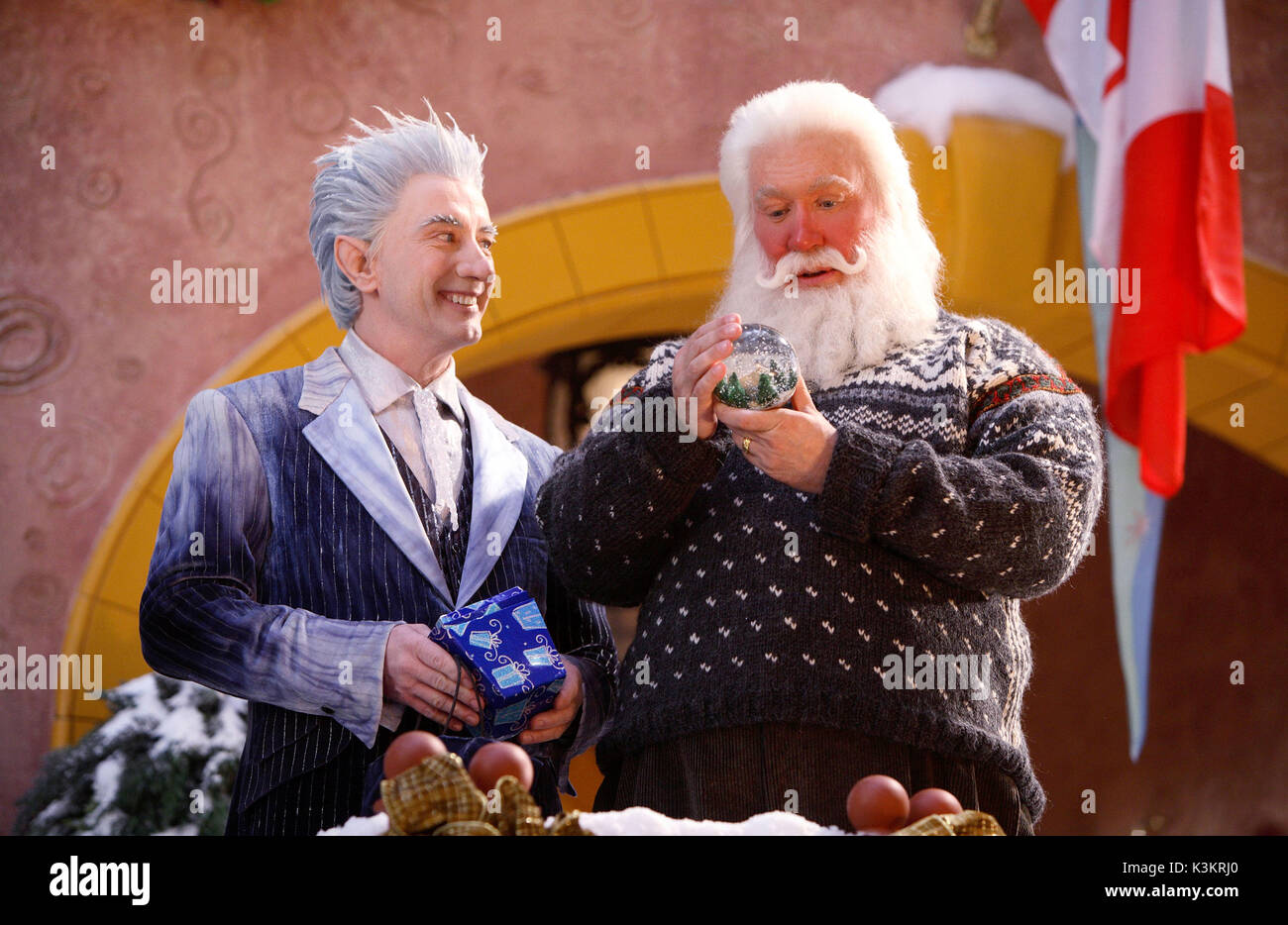
Martin Short is a force of nature. When he stepped into the role of Jack Frost from Santa Clause 3, he didn't just play a villain; he channeled a specific kind of frantic, icy desperation that most holiday movies usually shy away from. Released in 2006, The Santa Clause 3: The Escape Clause was the final installment of the Tim Allen trilogy. It’s a movie that people have big feelings about. Some find it a bit over-the-top, while others see it as a campy masterpiece of mid-2000s Disney.
Honestly? Jack Frost makes the movie.
Without him, you’ve just got a domestic comedy about Santa’s in-laws visiting the North Pole. Boring. Frost brings the stakes. He’s jealous, he’s tired of being a "Legendary Figure" without a holiday, and he’s got a wardrobe that would make a disco king weep with envy. He’s the physical manifestation of "middle management resentment," and that’s why he’s so fun to watch.
The Motivation Behind the Frost
Most villains want to blow up the world. Jack? He just wants a promotion. He’s tired of being the guy who nips at noses while Santa gets the cookies, the parades, and the global adoration. It’s a classic case of professional envy.
In the film, Jack Frost is facing a "Legendary Council" grievance. Mother Nature, Father Time, and the Easter Bunny are all annoyed with him. Why? Because he’s trying to upstage Santa. He wants his own holiday. He wants "Frostmas." It sounds silly, but if you’ve ever worked a job where you felt undervalued, you kinda get where he’s coming from.
He’s manipulative. He spends the first half of the movie acting like he’s helping Scott Calvin (Tim Allen) manage the stress of a pregnant Mrs. Claus and visiting in-laws. In reality, he’s gaslighting the man. He’s pushing Scott toward the "Escape Clause"—a magical loophole where if Santa holds a specific snow globe and says, "I wish I'd never been Santa at all," he goes back in time to the moment it all started.
The Alternate Reality Twist
When Jack finally tricks Scott into saying the words, the movie takes a dark, It’s a Wonderful Life style turn.
We see a world where Jack Frost from Santa Clause 3 is the boss. And it’s bleak. The North Pole isn't a workshop anymore; it’s a high-priced, commercialized resort. Everything is branded. The elves are miserable. Parents have to pay premium prices for their kids to see "Santa" Jack. It’s a sharp critique of corporate greed hidden inside a family flick. Short plays this version of the character with a cold, calculated arrogance that contrasts perfectly with the manic energy he shows earlier in the film.
Why Martin Short Was the Only Choice
Could anyone else have done this? Probably not.
Short has this specific ability to be incredibly annoying and deeply charismatic at the exact same time. His performance is physical. The way he adjusts his frozen-blue suit, the sharp, jagged movements, the toothy grin that never quite reaches his eyes—it’s brilliant character work. He’s playing a literal force of nature, but he gives it human insecurities.
- He uses "The Big Chill" as a weapon.
- He has a literal frozen heart (metaphorically and almost literally).
- His hair is a structural marvel of 2000s hair gel.
The chemistry between Allen and Short is what keeps the movie grounded. Allen plays the "straight man" to Short’s chaotic energy. While the plot gets a bit messy with the "Hall of Snow Globes" and the time travel logic, the verbal sparring between the two leads is top-tier.
The Redemption (and the Hug)
In the end, Jack Frost isn't defeated by a sword or a magic spell. He’s defeated by a hug.
It sounds cheesy because it is. But in the context of the movie, it works. Scott’s niece, Lucy, realizes that Jack is only "cold" because he’s never felt warmth—literally. She uses her "magical hug" to thaw his heart. This is where the character shifts from a menacing usurper to a reformed member of the North Pole community.
Is it a bit rushed? Sure. Movies like this usually wrap up their villian arcs in about five minutes. But seeing a de-frosted Jack Frost wearing a colorful sweater and actually smiling (for real this time) is a satisfying payoff. It reinforces the central theme of the trilogy: being Santa isn't about the suit or the magic; it's about the warmth and the sacrifice.
Real-World Impact and Legacy
People still talk about this movie every December. On platforms like Letterboxd and Reddit, the "Jack Frost" discourse is surprisingly active. Fans debate whether he was actually the "best" villain of the series compared to the Toy Santa from the second movie.
The consensus usually lands on this: Jack Frost is the most memorable.
The costume design alone earned the film a lot of praise in the industry. The makeup team had to create a look that made Short look icy without making him look like a monster from a horror movie. They used iridescent powders and specific lighting techniques to give his skin that "frozen" sheen. It’s a look that has become a staple of early 2000s nostalgia.
How to Revisit the Legend of Jack Frost
If you’re planning a rewatch or introducing someone to the franchise, here is the best way to appreciate the character:
- Watch the subtle background acting: Martin Short is constantly doing something in the background of scenes, whether it’s "freezing" a drink or subtly mocking the elves.
- Pay attention to the "Frostmas" branding: The level of detail in the "alternate North Pole" scenes is actually impressive. The props team went all-out on the Jack Frost-themed merchandise.
- Compare the "Classic" Jack Frost: Remember that this version is vastly different from the horror movie Jack Frost (1997) or the Dreamworks Rise of the Guardians version. This one is pure Broadway-style villainy.
The best way to experience the character is to look past the goofy special effects and focus on the performance. Short took a role that could have been a one-dimensional caricature and turned it into a masterclass in comedic villainy. He’s the reason The Santa Clause 3 stays in the holiday rotation for so many families.
To truly understand the impact of Jack Frost from Santa Clause 3, you have to look at how he changed the dynamic of the North Pole. He wasn't just a threat from the outside; he was an internal threat that forced Scott Calvin to realize how much he actually loved his life as Santa. That’s a lot of narrative weight for a guy with frosted tips and a blue velvet blazer.
Next time you’re scrolling through Disney+ in December, don't skip the third one. Watch it for the "Escape Clause" logic, watch it for the 2000s vibes, but mostly, watch it for the icy brilliance of Jack Frost. He might be cold, but his performance is arguably the hottest thing in the whole trilogy.