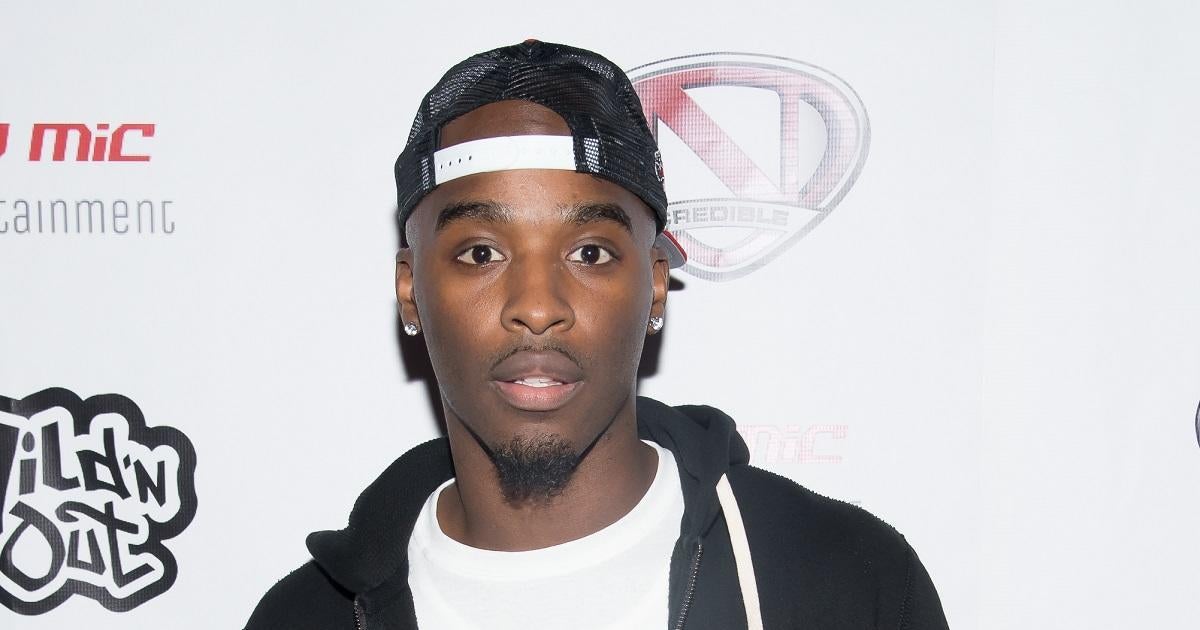
Hitman Holla didn't just walk onto the set of Wild 'N Out; he basically took the door off the hinges. If you’ve spent any time on YouTube or MTV over the last decade, you’ve seen the face-offs. The aggressive stance. The "remix" that makes the crowd lose their minds. Gerald Fulton Jr., the man behind the Hitman persona, fundamentally changed how Nick Cannon’s long-running sketch show operated by injecting real-world battle rap stakes into what was essentially a comedy variety hour.
It worked.
Before Hitman, Wild 'N Out was mostly about the jokes. After he showed up, it became about the bars.
The Hitman Holla Wild 'N Out Transition: From the Ring to the Screen
Transitioning from the raw, gritty atmosphere of the SMACK/URL (Ultimate Rap League) stage to a polished television set in California isn't as easy as Hitman made it look. Most battle rappers fail here. They’re either too aggressive for a TV audience or they lose their "street" edge trying to be funny. Hitman found the middle ground.
He stayed dangerous.
When he gets in someone's face during the "Wildstyle" segment, you can see the opponent actually blink. That's the St. Louis energy. He brought a level of athletic performance to the show—literally, considering his background in college basketball—that forced the other comedians to level up their lyricism. You couldn't just tell a "your mama" joke to Hitman. You had to actually rap, or he was going to embarrass you.
The show has seen legends like Conceited and Charlie Clips, but Hitman brought a specific kind of physical charisma. It’s not just about the words. It’s about the way he uses the space. If you watch his early seasons, he’s constantly moving, closing the gap between him and the guest star. It made for great TV because it felt unpredictable.
Why the "Remix" Became a Global Phenomenon
You know the move. Hitman says a bar, the music cuts, he pauses, and then he repeats the bar with extra emphasis while his brother, Showwout, or a teammate acts out the lyrics behind him.
It’s simple. It’s brilliant.
In the context of Wild 'N Out, the remix served as a bridge between high-level battle rap and mainstream entertainment. Most people watching at home aren't going to catch every triple entendre or complex metaphor. By "remixing" the line, Hitman ensures the audience hears the punchline twice, gives them a visual aid, and builds a massive amount of tension that explodes when the beat drops back in.
Honestly, it’s a cheat code.
It’s also why he’s one of the most viewed performers in the show's history. He understood that the television medium requires "moments." A 64-bar verse might work on a street corner in Harlem, but on a 22-minute TV show, you need a 10-second clip that can go viral on TikTok. Hitman delivered those clips every single week.
The Reality of the "Wildstyle" Battle
People always ask if the battles are scripted.
They aren't. Not really.
While the cast members certainly have "bags" of jokes prepared for specific guests, the back-and-forth during the actual filming of Hitman Holla on Wild 'N Out is surprisingly spontaneous. You can tell by the genuine reactions from the Black Team and the Red Team. When Hitman lands a personal blow—usually something about an opponent's career or a specific viral fail—the shock on their faces is real.
He’s a shark. He smells blood.
If a guest star is nervous, Hitman leans into it. He doesn't play fair because battle rap isn't supposed to be fair. It’s a combat sport where the weapons are words. The nuance he brought was knowing when to pull back. He could be the "tough guy" for three rounds and then pivot into a goofy sketch where he’s wearing a wig and playing a ridiculous character. That versatility is exactly why Nick Cannon kept him around for so many seasons.
Breaking Down the Viral Moments
Think about the time he went at it with guest stars like Rick Ross or even professional athletes. Most celebrities come on the show expecting to be pampered. Then they stand across from Hitman.
He doesn't care about your platinum plaques.
There’s a famous clip where he’s going at it and the energy in the room shifts from "we're all friends" to "oh, he's actually coming for him." That’s the Hitman Holla brand. It’s authentic. You can't fake the intensity he brings to the "Got Damned" game or "Kick 'Em Out The Classroom."
He also paved the way for other battle rappers. Before him, the path from the URL stage to mainstream success was narrow. Hitman showed that a battle rapper could be a brand. He used the show as a springboard for his music career, his clothing lines, and his own independent battle rap ventures.
The Impact on Battle Rap Culture
There’s a bit of a divide in the hardcore battle rap community about Wild 'N Out. Some purists think it’s "watered down." They think the jokes are too simple.
They’re wrong.
What Hitman did was expand the audience for the entire art form. Millions of kids who had never heard of a "scheme" or a "rebuttal" started looking up Hitman’s old battles against guys like Aye Verb or John John Da Don because they liked him on the show. He acted as an ambassador.
He also brought a professional standard to the cast. Hitman is notoriously disciplined about his performance. He’s rarely seen stumbling over lines or losing his cool. That level of preparation is something he took from the battle world, where forgetting a line means thousands of people screaming "choke" at you. On a TV set, you just do another take. But Hitman performs like there are no second takes.
Beyond the Comedy: Hitman’s Longevity
Why is he still relevant?
It’s the consistency. Wild 'N Out has gone through dozens of cast members. Some people get a "big head" and leave to pursue movies, then disappear. Others get fired. Hitman stayed a staple because he understands the value of the platform. He knows that being the "Heavyweight Champion" of Wild 'N Out keeps his name in the conversation every single year.
He’s also evolved. In the later seasons, you see him taking on more of a leadership role, helping the newer cast members find their timing. He’s become the veteran. The O.G.
The fascinating thing about Hitman is his ability to maintain his street credibility while being a household name. That is a very thin tightrope to walk. Usually, once you start doing "family-friendly" comedy sketches, the battle rap world turns its back on you. But Hitman’s battles are still so legendary—his performance against Arsonal or Bill Collector is still studied—that no one can question his roots.
The Business of Being Hitman Holla
If you look at his social media, you see the fruit of his labor. The cars, the jewelry, the real estate. He didn't get that just from a per-episode check from MTV. He used the Wild 'N Out fame to build a massive digital footprint.
He’s a master of the "Reaction Video" era. He knows how to keep people talking.
When you watch Hitman, you’re watching a case study in personal branding. He created a signature look—the headband, the specific jersey styles—and a signature sound. When he says "Ball game!" at the end of a battle, it’s not just a catchphrase. It’s a trademark.
He also deals with the darker side of fame. He’s been vocal about the struggles of being a public figure, the legal hurdles, and the pressure of staying on top. This vulnerability makes him more relatable than a lot of other celebrities. He’s not a cardboard cutout; he’s a guy from St. Louis who worked his way into the room and then refused to leave.
What Most People Get Wrong About Him
A lot of people think Hitman is just "the loud guy."
If you actually listen to his writing, he’s incredibly technical. He understands syllable counts. He understands how to set up a joke so that the punchline hits exactly when the camera cuts to the reaction shot. That’s not luck. That’s craft.
He also has an incredible memory. In battle rap, you have to memorize 15 to 20 minutes of material per battle. Compared to that, a 30-second Wildstyle bit is nothing. This "mental muscle" is why he’s so fast on his feet. He can pivot in the middle of a rhyme because his brain is trained to process language at a higher speed than the average comedian.
The Future of the Franchise
As Wild 'N Out continues to evolve and move onto new platforms, Hitman’s role is likely to stay central. He’s one of the few cast members who can bridge the gap between the "old school" fans of the show and the new generation of viewers who only watch clips on their phones.
He’s also looking at the bigger picture. Whether it’s acting, hosting, or running his own leagues, Hitman is clearly setting himself up for a career that lasts long after the cameras stop rolling on the Wild 'N Out stage.
But for now, he’s still the one everyone wants to beat. Every new guest who comes on the show wants to be the person who finally "gets" Hitman Holla. They want to land that one joke that makes him break character.
Usually, they fail.
And that’s exactly why we keep watching.
To really understand Hitman’s impact, you have to look at the scoreboard. Look at the view counts. Look at the way the room changes when he steps into the circle. He didn't just join a show; he helped define an era of entertainment where battle rap and comedy collided.
Actionable Insights for Fans and Aspiring Creators
If you want to follow the Hitman Holla path, there are a few things to keep in mind:
- Master your signature move. Hitman’s "remix" is his calling card. Find that one thing that only you do and do it better than anyone else.
- Understand the medium. TV isn't the stage. Hitman adapted his style to fit the camera, not just the room.
- Stay authentic. Even when he’s doing a silly sketch, Hitman feels like the same guy from the St. Louis battles. Don't lose yourself trying to fit in.
- Leverage the platform. Don't just show up for the check. Use every appearance to build your own audience and your own brand outside of the show.
- Prepare for the long game. Longevity comes from being easy to work with and consistently excellent. Hitman’s 10+ year run isn't an accident.
Hitman Holla remains the gold standard for what happens when the street art of battle rap meets the commercial power of mainstream television. He didn't just survive the transition; he conquered it. Ball game.