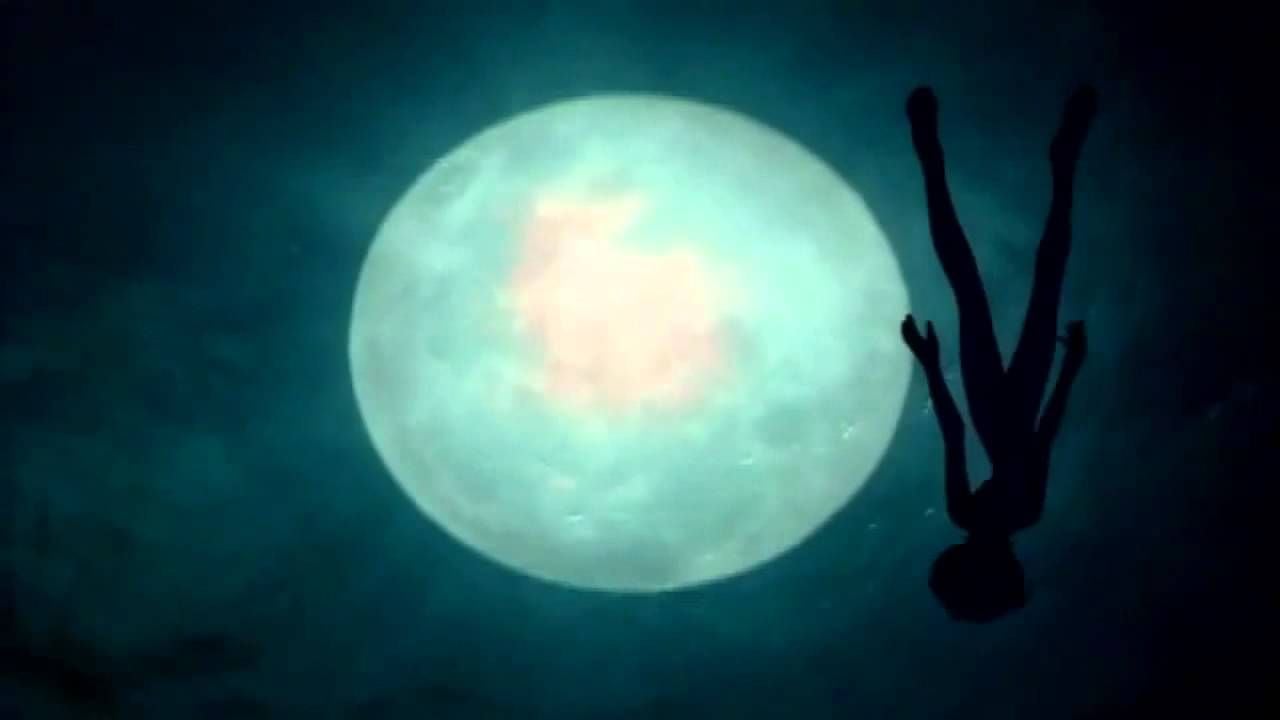
If you watched Neon Genesis Evangelion on Netflix for the first time, you probably felt like something was missing during the end credits. You were right. For decades, the association between Fly Me To The Moon Evangelion and the show’s existential dread was inseparable. Then, suddenly, it wasn't there.
It’s weird.
The song, originally written by Bart Howard in 1954 and made famous by Frank Sinatra, became the haunting lullaby that closed out every episode of Hideaki Anno’s 1995 masterpiece. But when the series hit global streaming platforms, that iconic piano melody and the rotating Rei Ayanami were replaced by a generic, synth-heavy track from the show's actual score. It felt wrong. Fans felt cheated. To understand why this happened—and why there are literally dozens of versions of this song floating around in the ether—we have to look at the messy intersection of international copyright law and the creative madness of Gainax in the 90s.
The Licensing Nightmare Behind Fly Me To The Moon Evangelion
Music licensing is a boring topic until it ruins your favorite show. Basically, when Netflix acquired the global streaming rights for Evangelion from Khara (the studio that now owns the franchise), they ran into a massive wall. The rights to use Fly Me To The Moon Evangelion variations were negotiated back in the mid-90s for Japanese TV broadcast and physical media. Those contracts didn't account for a world where a single company would stream the show to 190 countries simultaneously.
The song is what the industry calls a "managed" track. Because Bart Howard’s estate and various publishing houses own the rights, every time the song plays in a different territory, someone has to pay.
Netflix decided it wasn't worth the cost.
It sounds cheap, but when you consider there were over 30 different versions of the song used throughout the original 26-episode run, the royalties would have been astronomical. We aren't just talking about one recording. There were bossa nova versions, high-energy pop versions, somber instrumental takes, and versions sung by the voice actresses for Rei, Asuka, and Misato. Each one requires a different set of clearances. So, the "Netflix version" of the show ended up being a sterilized experience for many longtime fans. It’s a classic example of how modern streaming culture often sacrifices artistic integrity for legal convenience.
Why Does the Song Even Fit the Show?
You’d think a jaunty jazz standard about space travel wouldn’t fit a show about giant robots and teenage trauma. But that’s the genius of it. The contrast is the point. Evangelion is a show about the "Hedgehog’s Dilemma"—the idea that the closer humans get to one another, the more they hurt each other.
The lyrics of Fly Me To The Moon Evangelion are deceptively simple. "In other words, I love you." In the context of Shinji Ikari’s desperate need for validation and his paralyzing fear of intimacy, those words become heavy. They aren't romantic. They are a plea.
Director Hideaki Anno is known for his obsessive attention to detail. He didn't just pick a popular song because it sounded cool. He used it as a tonal palate cleanser. After twenty minutes of psychological torture and biological horror, the soft, jazz-inflected credits offered a moment of reflection. It let the viewer breathe. Without it, the show feels relentless in a way that’s almost exhausting. The different versions also reflected the changing moods of the series. As the show got darker, the versions of the song became more experimental, more isolated, and sometimes more frantic.
The Different Versions You Probably Missed
Most people think there’s just "the" song. Nope. There are layers to this. Claire Littley’s vocals are perhaps the most famous, providing that airy, slightly melancholic vibe that defined the early episodes. But then you have Megumi Hayashibara (the voice of Rei) bringing a cold, almost robotic tone to her covers.
- The Claire Littley Main Version: This is the gold standard. It’s the one most people associate with the "classic" Eva experience. It’s smooth, professional, and slightly detached.
- The Yoko Takahashi Version: The woman who sang "A Cruel Angel's Thesis" also did an upbeat, acid-jazz version of the ending. It’s funky. It’s weird. It feels totally out of place, which makes it perfect for the mid-series "action" episodes.
- The Seiyuu Versions: Kotono Mitsuishi (Misato), Yuko Miyamura (Asuka), and Megumi Hayashibara (Rei) all recorded versions. Listening to them back-to-back is like an auditory character study.
- The Instrumental Variations: Some episodes used strings; some used a lone piano. These were often used when the episode ended on a particularly grim cliffhanger.
Honestly, the sheer volume of recordings is impressive. It’s one of the most covered songs in anime history specifically because of this one show. It turned a 1950s standard into a 90s otaku anthem.
The "Renewed" Versions and the Rebuild Movies
When the Rebuild of Evangelion movies started coming out in 2007, everyone wondered if the song would return. It didn't. Instead, Utada Hikaru took over the musical identity of the franchise with "Beautiful World" and "One Last Kiss."
While Utada's songs are incredible, they represent a different era of the franchise. The Fly Me To The Moon Evangelion era is tied to the grainy, hand-drawn 16mm look of the original series. It represents the 90s "End of the Century" anxiety that defined Japan at the time. The Rebuilds are more polished, more cinematic, and their music reflects that. However, for the hardcore base, the exclusion of the Bart Howard track in recent years feels like a piece of the soul of the series has been excised.
Where Can You Actually Hear It Now?
If you want the authentic experience, you have to go looking for it. The original Japanese Blu-ray sets still have the music. The old ADV Films DVDs from the early 2000s are like gold now because they contain the original audio tracks.
Interestingly, some international releases did manage to keep the song, but only for certain territories or in very specific "Legacy" editions. It has created a weird black market of fans seeking out "unaltered" versions of the show just so they can hear sixty seconds of jazz at the end of an episode.
How to Get the Full Experience Today
If you are a newcomer or a returning fan who wants to see what the fuss is about, don't just settle for the streaming audio. You've got options.
- Hunt down the OSTs: The Neon Genesis Evangelion soundtracks (I, II, and III) contain almost all the variations of the song. They are often available on import sites or via secondary market sellers.
- Check "The Birthday of Rei Ayanami" Album: This specific release has several of the vocal versions that are harder to find elsewhere.
- Vinyl Revival: There have been recent vinyl pressings of the Eva soundtracks that occasionally include the "Fly Me To The Moon" tracks, though licensing varies by region even on physical wax.
- Fan Edits: There is a dedicated community of "purists" who have created fan-restored versions of the Netflix release, syncing the original ending music back into the high-definition footage. While technically a legal gray area, it's the only way many people can watch the show in its "intended" form.
The reality is that Fly Me To The Moon Evangelion is more than just a song; it’s a mood. It’s the sound of the 90s trying to make sense of the future. It’s a piece of pop culture history that is slowly being eroded by the friction of global digital rights. If you haven't heard the Claire Littley version while watching a spinning blue Rei Ayanami, you haven't really finished an episode of Evangelion.
Go find the original audio. Compare the different singers. Notice how the arrangement changes as Shinji’s mental state deteriorates. It’s a masterclass in how music can elevate a medium from "good" to "legendary." Don't let the licensing issues rob you of the full emotional arc that Hideaki Anno intended for his audience. It’s worth the extra effort to track down the real thing.