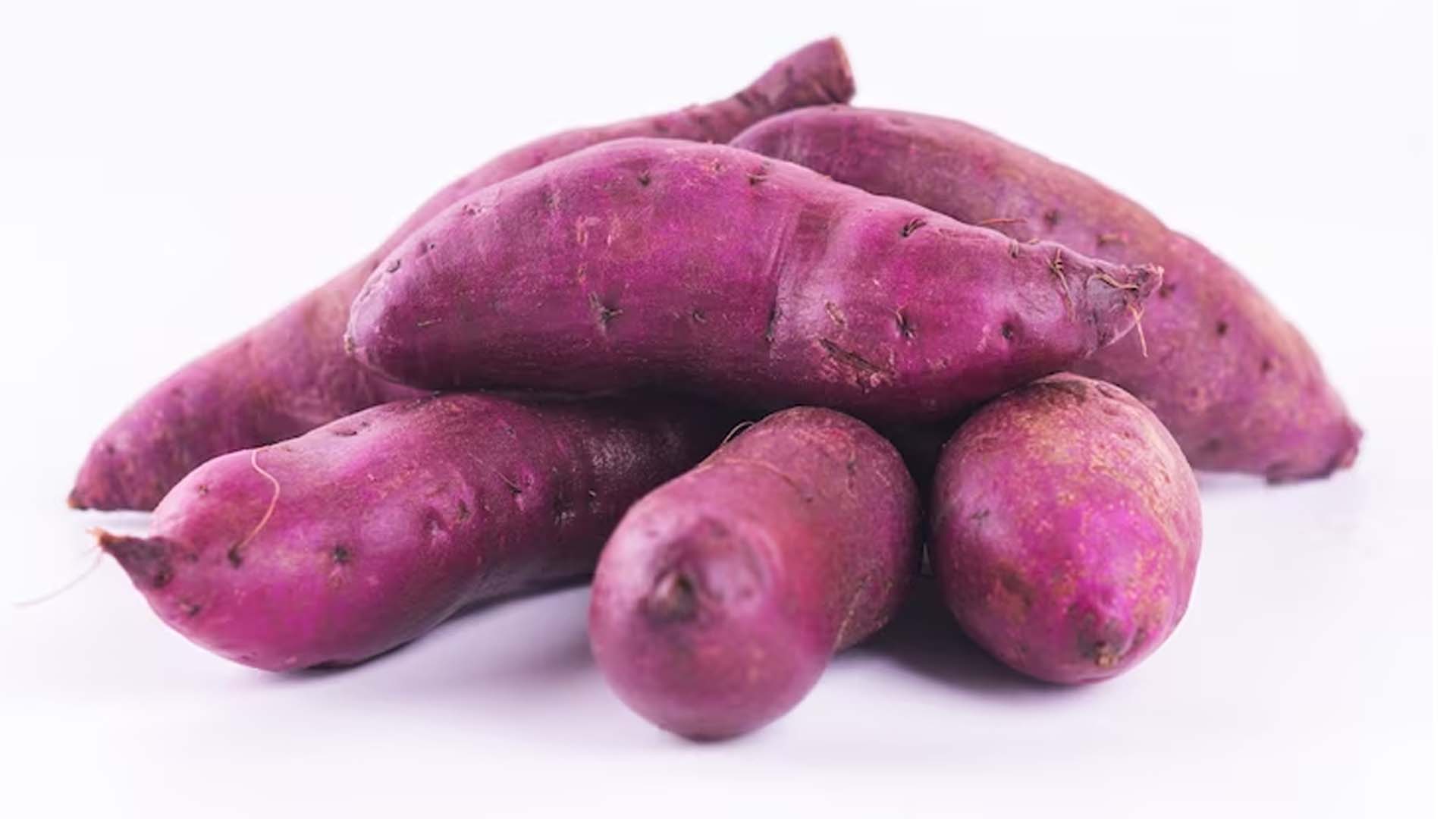
You're sitting there, maybe an hour after a delicious meal of roasted tubers, and suddenly you feel it. That familiar, uncomfortable pressure. It’s a bit ironic. You chose the sweet potato because it's the "healthy" starch, the golden child of the fitness world, yet here you are, bloated and wondering if you made a mistake. So, can sweet potatoes cause gas? Honestly, yes. They absolutely can. But it isn't because they are "bad" for you. In fact, the reason they make you gassy is often the same reason they’re so good for your gut health in the long run.
It’s a bit of a biological trade-off. Your body is processing complex nutrients that your digestive enzymes can’t always handle alone. When those nutrients hit your large intestine, the resident bacteria throw a party. Gas is just the byproduct of that celebration.
The Science of the Spud: Why Bloating Happens
To understand why sweet potatoes act up in your stomach, we have to look at their chemical makeup. They are packed with fiber. While fiber is the holy grail of digestion, your body doesn't actually digest it. It passes through the small intestine largely untouched. When it reaches the colon, your gut microbiome takes over. These bacteria ferment the fiber, and as a result, they release gases like hydrogen and methane.
But there is a specific culprit in sweet potatoes that often gets overlooked: mannitol.
The Polyol Problem
Mannitol is a type of sugar alcohol, or polyol. If you’ve ever heard of the FODMAP diet—which stands for Fermentable Oligosaccharides, Disaccharides, Monosaccharides, and Polyols—you’ll recognize that last "P." Sweet potatoes are considered a high-mannitol food if you eat them in large enough quantities.
For most people, mannitol is harmless. However, for those with a sensitive gut or Irritable Bowel Syndrome (IBS), mannitol can be a nightmare. It draws water into the intestine, which can cause diarrhea, and then it ferments rapidly, leading to that sharp, stabbing gas pain. It’s not just "air." It’s a localized pressure cooker situation in your lower abdomen.
Not All Sweet Potatoes Are Equal
Believe it or not, how you prep these things matters. A lot.
If you eat the skin, you’re getting a massive hit of insoluble fiber. This is great for keeping things moving, but if your system isn't used to it, it’s like trying to force a huge crowd through a narrow hallway. Things get backed up. Friction happens. Gas ensues.
Then there’s the cooking method. Boiling sweet potatoes can actually leach out some of those fermentable sugars, potentially making them slightly easier on the stomach than roasting them until they are caramelized and concentrated. When you roast a sweet potato until it’s oozing that sugary syrup, you’re basically concentrating the very compounds that lead to fermentation. It tastes better, sure. Your gut might disagree.
The Resistant Starch Factor
When sweet potatoes are cooked and then cooled—say, in a potato salad or as meal-prep leftovers—they develop something called resistant starch. This is a specific kind of starch that "resists" digestion. It acts more like a prebiotic. While prebiotics are incredible for building a diverse microbiome, they are notorious gas-producers. Your Bifidobacteria love this stuff. They eat it, they multiply, and they produce gas as a thank-you note.
Common Misconceptions About Tuber-Induced Gas
People often blame the "sweetness" or the sugar content for the gas. That’s usually not it. Regular table sugar (sucrose) is absorbed pretty quickly in the small intestine. It rarely makes it down to the gas-producing bacteria in the colon unless you have a serious malabsorption issue.
Another myth? That you should just stop eating them.
Actually, the "gasiness" often fades as your microbiome adapts. If you haven't eaten a high-fiber diet and suddenly start eating a large sweet potato every day, your gut is going to freak out. It’s like going from sitting on the couch to running a marathon. Your "digestive muscles" need training.
How to Enjoy Sweet Potatoes Without the Bloat
You don't have to give up your fries or your mashed yams. You just need a strategy. Digestion is a physical and chemical process, and you can intervene in both.
- Watch the portion size. Monash University, the gold standard for FODMAP research, suggests that a "safe" serving size for those sensitive to mannitol is about 1/2 cup (roughly 75 grams). If you’re eating a massive 200g potato in one sitting, you’re asking for trouble.
- The Peel Debate. If you’re currently struggling with bloating, try peeling the potato. You lose some nutrients, but you also remove a significant chunk of the insoluble fiber that might be irritating your gut lining.
- Slow and Steady. Increase your intake over two weeks. Let your bacteria adjust to the new workload.
- Pairing Matters. Don't eat sweet potatoes with other high-FODMAP foods like garlic, onions, or beans in the same meal. It’s called "FODMAP stacking." One trigger might be fine, but four at once is a recipe for disaster.
Enzymes and External Help
Sometimes your body just needs a hand. Alpha-galactosidase (the stuff in Beano) is usually used for beans, but some people find it helps with complex starches too. More importantly, making sure you are hydrated is vital. Fiber needs water to move. If you eat a high-fiber sweet potato and don't drink water, that fiber turns into a brick in your gut. That stagnation allows even more time for bacteria to ferment the food and produce gas.
When to See a Doctor
If can sweet potatoes cause gas is a question you're asking because you're in genuine pain every time you eat, it might not be the potato. Chronic, painful bloating can be a sign of SIBO (Small Intestinal Bacterial Overgrowth). This is when bacteria that should be in your large intestine migrate up into the small intestine. They start fermenting your food way too early in the digestive process.
In a healthy person, gas is normal. Farting 14 to 20 times a day is actually considered medically "standard." But if you’re experiencing bloating that makes your clothes not fit by the end of the day, or if you have "brain fog" after eating starches, get a breath test for SIBO.
Moving Toward a Balanced Gut
The reality is that sweet potatoes are a nutrient powerhouse. They give you Vitamin A (as beta-carotene), Vitamin C, and potassium. They have a lower glycemic index than white potatoes, meaning they don't spike your blood sugar as hard.
The gas is a side effect of a healthy process. It's the sound of your microbiome working.
If you want to keep them in your diet, start by keeping a food diary. Note down how much you ate and how you felt two hours later. You might find that you’re totally fine with a small roasted potato but miserable after a large bowl of sweet potato soup. It’s all about finding your personal "threshold."
Practical Steps for Your Next Meal
To minimize the chances of discomfort, try this: Peel a medium sweet potato, dice it, and boil it until soft. Mash it with a little bit of olive oil or grass-fed butter—fats can actually slow down digestion slightly, which might help. Avoid adding high-fiber toppings like broccoli or beans during the same meal.
Drink a full glass of water. Eat slowly. Chewing is the first step of digestion; your saliva contains amylase, which starts breaking down those starches before they even hit your stomach. The more work you do in your mouth, the less work your bacteria have to do later.
Next Steps for Gut Comfort
- Reduce your serving size to 1/2 cup for the next three times you eat sweet potatoes to see if the gas subsides.
- Peel the skin off for your next meal to lower the insoluble fiber load.
- Space out your "trigger" foods by at least 4 hours to avoid stacking fermentable carbohydrates in your system.
- Incorporate a ginger or peppermint tea after your meal; both are natural carminatives that help soothe the digestive tract and move gas along more efficiently.