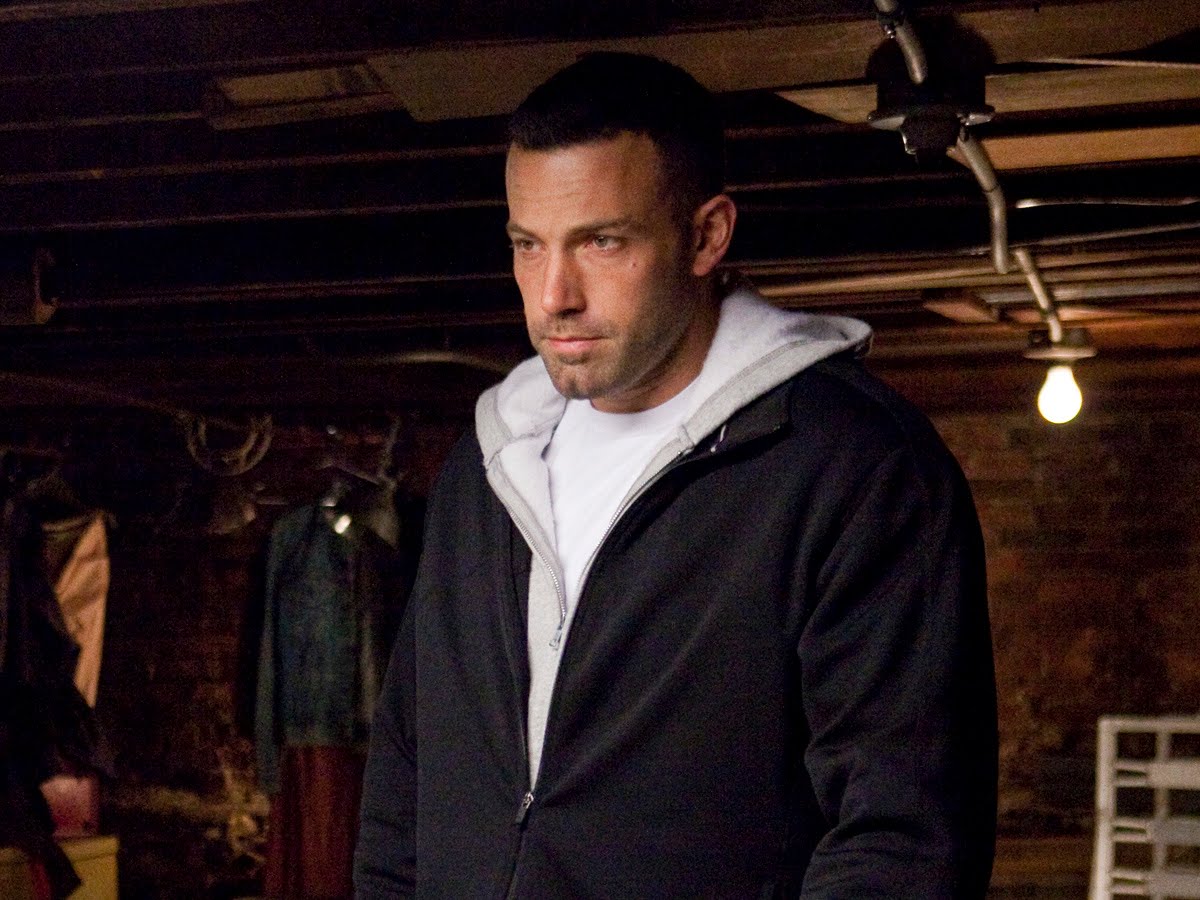
It is hard to remember now, but back in 2010, Ben Affleck was still in the "forgiveness" phase of his career. People forget that. Before he was Batman or the guy winning Best Picture for Argo, he was mostly just the guy from the tabloids who had made Gigli. Then came Ben Affleck and The Town. It changed everything. It wasn't just a heist movie; it was a love letter to a very specific, gritty, and disappearing version of Charlestown, Massachusetts.
Affleck didn't just star in it. He directed it. He co-wrote it. He basically put the entire reputation of his second act on the line to tell a story about bank robbers in nun masks.
The Real Charlestown vs. Hollywood
Charlestown is a small neighborhood. One square mile, basically. But for decades, it had this reputation—rightly or wrongly—as the bank robbery capital of America. That is a heavy legacy to carry. When Ben Affleck and The Town started filming, there was a lot of skepticism from the locals. You can't just walk into a Boston neighborhood with a camera crew and expect people to be cool with it, especially when you're filming a story about their "family business."
Affleck knew this. He grew up in Cambridge, so he wasn't an outsider, but he wasn't from "The Town" either. To get the authenticity right, he did something most directors are too scared to do: he hired real people.
He spent months hanging out in local bars. He interviewed real former thieves. He even cast locals in small roles to make sure the accent didn't sound like a bad Saturday Night Live sketch. Honestly, the Boston accent is the hardest thing to get right in movies. Usually, it's a disaster. But in this film, it felt lived-in. It felt heavy.
Why the "Nun" Heist Still Works
Let's talk about that opening. The Fenway Park heist is iconic, sure, but the armored car robbery in the North End—the one with the masks—is what people remember.
The masks were terrifying. They weren't high-tech. They were just creepy, rubbery nun faces. It was a choice that felt grounded in a sort of blue-collar reality. These guys weren't Danny Ocean. They weren't using lasers or hacking into mainframes. They were using brute force, police scanners, and a very deep knowledge of the city's confusing, one-way streets.
The pacing of the action is wild. One minute you're watching a quiet, tense conversation in a laundromat, and the next, there is a high-speed chase through streets so narrow you wonder how they didn't take off every side-view mirror in the neighborhood.
- The Cast: You had Jeremy Renner playing Jem, a loose cannon who felt genuinely dangerous. Renner actually got an Oscar nomination for this, and he deserved it. He was the ticking time bomb that made the movie work.
- The Stakes: It wasn't about the money. It was about the fact that Doug (Affleck) wanted out, but the city wouldn't let him go.
- The Tone: It's bleak. Even when they win, they lose.
Chuck Hogan’s "Prince of Thieves"
The movie is based on a book by Chuck Hogan called Prince of Thieves. If you haven't read it, you should. It’s even darker than the movie. In the book, the relationship between Doug MacRay and Claire (the bank manager) is way more complicated and, frankly, a bit more toxic.
Affleck softened some of those edges for the screen, but he kept the core theme: the cycle of violence. In Ben Affleck and The Town, the characters are trapped by their geography. It’s a movie about how your zip code can be your destiny. That’s a very "Boston" concept. It’s a city of neighborhoods where people often live and die within the same four blocks.
The Problem With Romanticizing Criminals
There is always a risk when you make a movie like this. Are we supposed to root for the guys hitting people with the butts of their rifles?
The film tries to walk a thin line. It shows the victims. It shows the trauma Claire suffers after being kidnapped. But, let's be real, the movie also makes Doug MacRay look incredibly cool. He’s the smart one. He’s the one with the heart of gold. Some critics at the time, and even now, argue that the film glosses over the actual damage these crews did to the community.
There was a real-world "Code of Silence" in Charlestown for a long time. The FBI struggled for years to get anyone to talk. By making a Hollywood blockbuster about it, some felt Affleck was turning a tragedy into a tourist attraction. But if you look at the final act—especially the shootout outside Fenway—it’s not glorious. It’s desperate. It’s messy. Everyone ends up dead or alone.
Jeremy Renner and the "Dry" Performance
We need to talk about Renner again. Without him, Ben Affleck and The Town is just another heist flick.
Renner’s character, Jem, represents the bridge to a past that Doug wants to burn. There is a scene where Jem tells Doug, "I need your help. I can’t tell you what it is, you can never ask me about it later, and we’re gonna hurt some people."
Doug’s response? "Whose car we takin'?"
That is the entire movie in two lines. It’s about a loyalty that is both beautiful and completely destructive. It’s why people still quote this movie in sports bars across New England. It captured a specific brand of "ride or die" mentality that feels very authentic to that era of the city.
The Fenway Factor
Filming at Fenway Park was a massive deal. It’s the "Cathedral of Boston." To turn it into a crime scene was almost sacrilegious.
Affleck used the geography of the park perfectly. The way the characters move through the bowels of the stadium, using the employee uniforms as disguises—it felt plausible. It didn't feel like a movie set; it felt like they actually snuck in during a game.
Interestingly, the production had to be very careful not to disrupt the actual neighborhood. They were filming in tight spaces with live ammunition (blanks, obviously, but still loud). The logistical nightmare of staging a gunfight in the middle of a crowded residential area is something most directors would avoid. Affleck leaned into it.
Technical Mastery and Direction
People often overlook how well-shot this movie is. Robert Elswit was the cinematographer. He’s the same guy who did There Will Be Blood.
He didn't make Boston look pretty. He didn't use the "Postcard Boston" shots of the Public Garden or the Charles River at sunset. He made it look grey. He made it look concrete. The lighting in the interrogation scenes with Jon Hamm (who plays a fantastic, relentless FBI agent) is harsh and unforgiving.
The Alternate Ending Controversy
Did you know there’s an alternate cut?
In the theatrical version, Doug escapes to Florida. He leaves a bag of money and a note for Claire. It’s a somewhat "Hollywood" ending. But in the original vision—and in the book—things go much worse for him.
There is a version where Doug is shot and dies in a much more pathetic, lonely way. It changes the entire "vibe" of the film. While the theatrical version made it a hit, the darker ending probably would have made it a masterpiece. It’s worth seeking out the Town "Extended Town" cut if you want to see the nuance Affleck was originally aiming for.
Why It Still Matters in 2026
Movies like this don't really get made anymore. Everything now is either a $200 million superhero epic or a tiny indie film made for $50k. Ben Affleck and The Town represents that middle ground—the "prestige action" movie.
It has a high budget, but it’s about people. It has explosions, but it cares about the dialogue. It’s a reminder that Ben Affleck is, at his core, a really talented filmmaker who understands tension.
The movie also serves as a time capsule. Charlestown has changed. It’s been gentrified. The condos there now cost millions of dollars. The "townies" described in the film are being priced out. When you watch the movie now, you're looking at a version of Boston that is almost extinct.
How to Appreciate "The Town" Today
If you’re revisiting the film or watching it for the first time, keep an eye on the details. Look at the tattoos. Look at the way the characters hold their coffee cups. It’s the little things that make it work.
Actionable Insights for Movie Buffs:
- Watch the Extended Cut: It adds about 30 minutes of character development that makes the final shootout much more impactful.
- Compare it to 'The Departed': While Scorsese’s film is about the Irish Mob, Affleck’s is about the neighborhood. It’s a great double feature to understand the different layers of Boston crime cinema.
- Research the "Code of Silence": To really understand the stakes, look up the real history of Charlestown in the 80s and 90s. It provides a chilling context for why Jem is the way he is.
- Note the Sound Design: Listen to the silence during the heists. The lack of music in certain high-tension moments makes the eventual gunfire much more jarring and "real."
Ultimately, the film stands as the peak of Affleck's directorial career alongside Argo. It’s a gritty, unapologetic, and deeply localized story that managed to become a global hit. It’s about the places we come from and the impossible task of trying to leave them behind.
For anyone interested in the intersection of true crime and cinema, studying how Ben Affleck and The Town utilized real-world locations and local consultants is a masterclass in authenticity. The film remains the gold standard for the modern heist genre, proving that you don't need gadgets when you have a compelling, broken character and a mask.