If you’ve ever spent a Saturday night in a backyard in Monterrey or a dive bar in Houston, you’ve heard that unmistakable accordion ripple. It’s heavy. It’s soulful. It’s the sound of the Norteño legends. But when we talk about the members of Los Invasores de Nuevo León, things get complicated pretty fast. This isn't just a band; it’s a forty-year soap opera of legendary talent, ego clashes, and enough lineup changes to make your head spin.
Most people just think of Lalo Mora. That’s fair, honestly. He’s the "Rey de Mil Coronas." But the group didn't die when he left in '93. Far from it.
The story started back in 1978. Imagine a bunch of guys in Guadalupe, Nuevo León, trying to find a sound that wasn't just a copy of what Ramón Ayala was doing. They wanted something "Invasive." Hence the name. The original core—Lalo Mora, Javier Ríos, Homero de León, and Eliud López—didn't just play music; they created a blueprint for the "Norteño de oro" style that still dominates the airwaves today.
The Lalo Mora Era: Where the Legend Began
Let’s be real. Lalo Mora is the voice that launched a thousand grititos. When he was part of the members of Los Invasores de Nuevo León, the chemistry was lightning in a bottle. You had Lalo’s rugged, baritone vocals paired with Javier Ríos’s aggressive, flashy accordion work.
They weren't just playing polkas. They were telling stories about the "Lauras" and the "Eslabones" of the world.
Javier Ríos wasn't just the accordionist; he was the engine. While Lalo was the charismatic frontman, Javier was the one crafting the arrangements that made songs like "Aguanta Corazón" feel like an anthem instead of just another cantina track. It’s a bit of a tragedy that they split, but that’s the music business. Lalo wanted the solo spotlight, and in 1993, he walked. Most bands would have folded right then and there.
Instead, the group did something ballsy. They evolved.
Javier Ríos and the Post-Lalo Transition
When Lalo left, the pressure was on Javier Ríos to find someone who wouldn't just be a "Lalo clone." Enter Isaías Lucero.
If you're a hardcore fan, you know the Isaías years (roughly 1993 to 1997) were actually some of the most musically sophisticated years for the group. He had a smoother, more romantic vibrato. It changed the vibe. Suddenly, the members of Los Invasores de Nuevo León were hitting a different demographic. They weren't just for the older guys drinking Tecate; they were for the younger crowd falling in love.
"Bajo Mil Llaves" is the proof. That song is a masterpiece of Norteño phrasing.
But as is the theme with this band, the lineup shifted again. Isaías moved on to a solo career, and in came Rigoberto Marroquín. Rigo brought back a bit of that grit. For a long time, the core "veteran" status of the band rested on the shoulders of Javier Ríos and Eliud López on drums. Eliud, by the way, is one of the most underrated drummers in the genre. His steady, driving rhythm is the reason those live sets feel like a freight train coming at you.
The Modern Lineup: Who is Carrying the Torch?
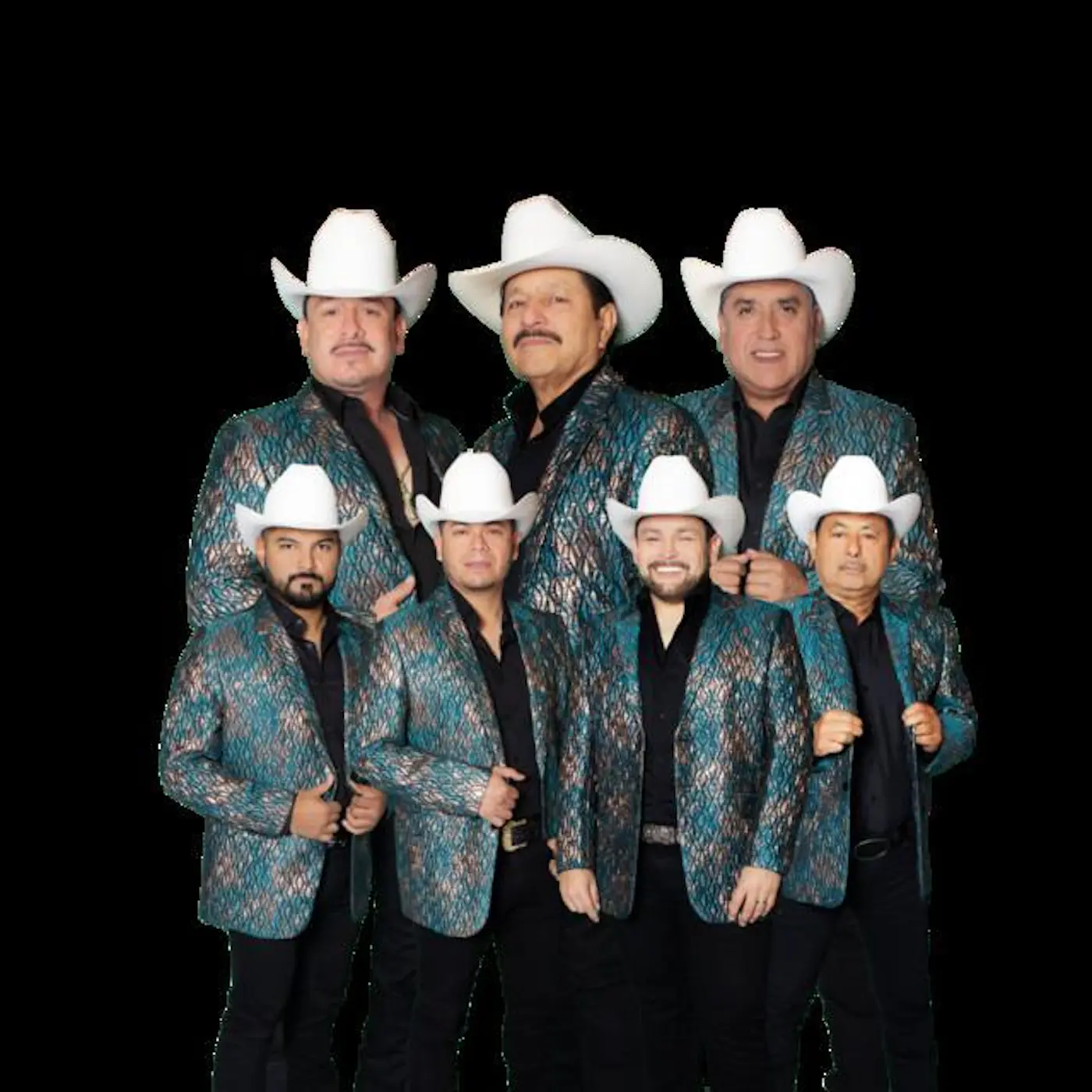
So, who are the members of Los Invasores de Nuevo León right now? It’s a mix of bloodline and seasoned pros.
Javier Ríos is still the undisputed leader. He’s the boss. But now, you’ve got a "New Guard" feeling.
- Javier Ríos: Accordion and Second Voice. The heart of the group.
- Rigo Marroquín: Bajo Sexto and First Voice. He’s been the voice of the band for over two decades now, which is actually longer than Lalo Mora’s original stint.
- Eliud López Jr.: Following in his father’s footsteps on the drums.
- Javier Benavides: On the bass, keeping that low end tight.
It’s interesting to watch them perform today. They have to balance two completely different identities. On one hand, they are a legacy act that has to play "Mi Casa Nueva" exactly like the record from thirty years ago. On the other, they’re still trying to put out new music that competes with the "Belico" and "Corrido Tumbado" trends.
They don't try to be Peso Pluma. That’s why they’re still around. They know their lane.
Why the Lineup Changes Actually Mattered
Usually, when a lead singer leaves, the brand dilutes. Think about how many Norteño groups from the 80s are now just "The [Singer Name] and his version of [Band Name]."
The Invasores avoided this trap because the brand was built on the "Invasores Sound"—that specific way the accordion interacts with the bajo sexto—rather than just one guy’s face. Javier Ríos made sure of that. He owns the sound.
When you look at the members of Los Invasores de Nuevo León over the decades, you see a masterclass in brand management. They’ve survived the death of members, bitter departures, and changing musical tastes by staying incredibly loyal to the "Guadalupe Style."
One thing people get wrong is thinking there’s bad blood between everyone. Sure, there were lawsuits and arguments in the past. But in recent years, you’ve seen "El Reencuentro" moments where Lalo Mora joins them on stage. It’s a beautiful, chaotic family.
What You Should Do Next
If you really want to appreciate what these musicians do, don't just stream the "Best Of" album on Spotify. That’s the easy way out.
1. Watch the live 1980s footage. Search for their early performances at the Sabado Gigante or local Monterrey TV spots. Look at how Javier Ríos handles the accordion. He doesn't just play it; he wrestles with it. That energy is what defined the band.
2. Listen to the "Isaías Lucero" era separately. If you’ve only ever listened to the Lalo Mora hits, you’re missing half the story. Listen to "Ni que tuviera siete vidas." It shows a level of vocal arrangement that most Norteño bands today can't touch.
3. Pay attention to the Bajo Sexto. In the current lineup, the interplay between the accordion and the bajo sexto is still the gold standard. If you're a musician, try to chart out their chord progressions. They use "passing chords" that are much more complex than the standard 1-4-5 progression used in basic regional Mexican music.
The members of Los Invasores de Nuevo León aren't just a list of names. They are the architects of a genre. Whether it’s the original four or the current touring group, the mission remains the same: keep the "Invasive" sound alive. Next time you hear "Eslabón por Eslabón," remember it took forty years of lineup changes, bus tours, and studio sessions to make that three-minute song sound so effortless.
Go check out their latest live recordings from 2024 and 2025. You'll see that while the hair is grayer, the squeeze of the accordion is just as sharp as it was in 1978.