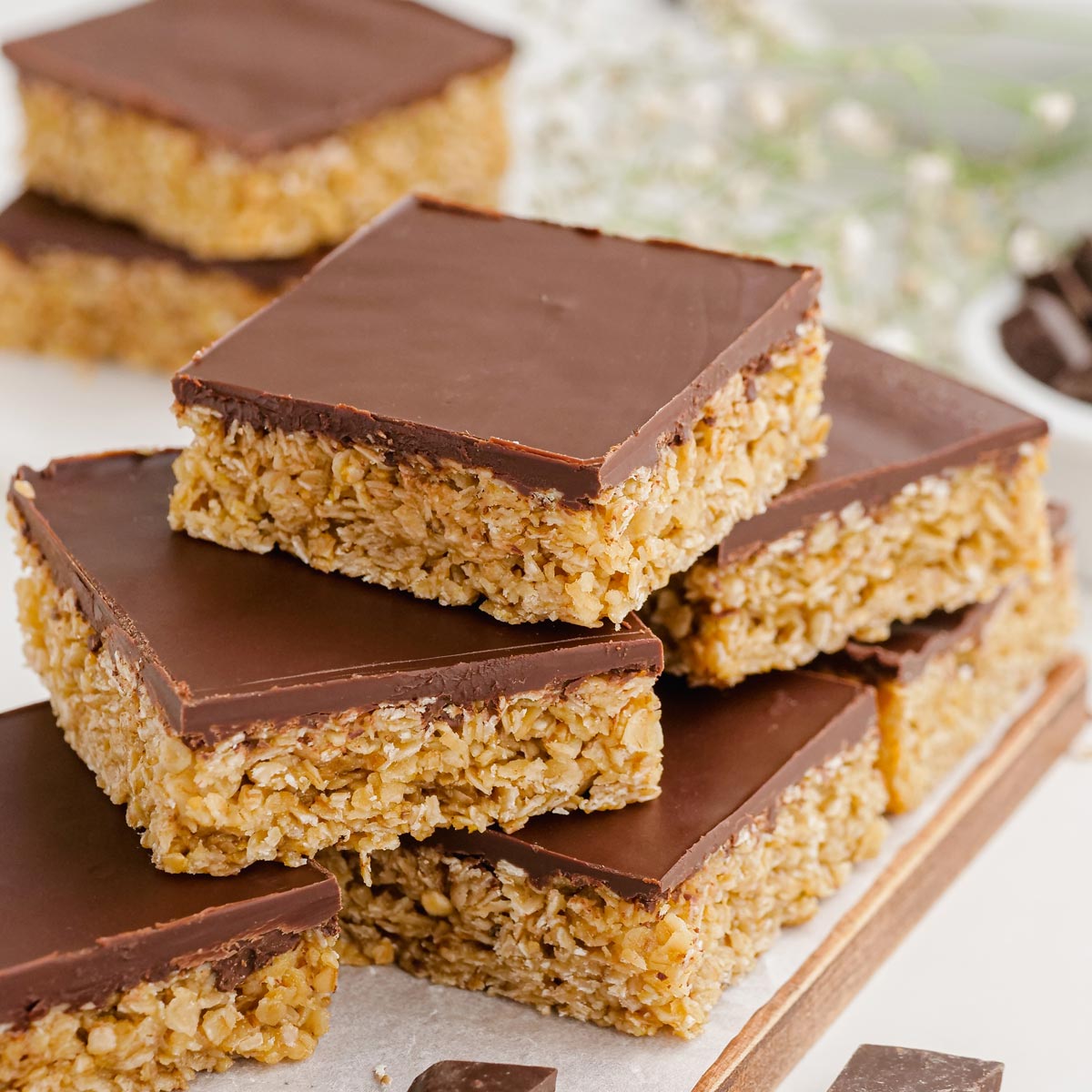
You’re sitting in a cozy cafe in London, starving. You see "flapjacks" on the menu and think, perfect, I’ll have some pancakes. Five minutes later, the waiter drops a dense, rectangular bar made of oats and syrup in front of you. You’re confused. You’ve just fallen victim to one of the great linguistic divides in the culinary world.
So, what is a flapjack?
The answer depends entirely on which side of the Atlantic you’re standing on. In the United States, a flapjack is just a fancy, old-timey word for a pancake. In the United Kingdom, Ireland, and much of the Commonwealth, it’s a baked oat bar that’s closer to a granola bar's heavier, more indulgent cousin. It's weird how one word carries two completely different identities, but that’s the beauty of food history.
The British Flapjack: A Golden, Syrupy Powerhouse
If you ask a Brit, a flapjack is a tray-baked treat. It’s a simple beast, really. You only need four main ingredients: rolled oats, butter, brown sugar, and golden syrup.
Golden syrup is the secret. It’s not maple syrup, and it’s definitely not corn syrup. It’s a thick, amber-colored inverted sugar syrup that has a deep, buttery, slightly burnt-sugar toasted flavor. Without it, a British flapjack just tastes like a dry oat bar. When you mix these ingredients and bake them, the edges get crispy and caramelized while the middle stays chewy and dense. It’s heavy. One square can probably power a hiker up a mountain.
Honestly, the texture is everything here. Some people like them "bendy"—meaning they are soft and slightly underbaked so they almost melt. Others prefer them "crunchy," where the sugar has fully turned into a brittle toffee.
Why it isn't a granola bar
Don't call it a granola bar to a baker’s face. Granola bars are usually seen as "healthy" snacks, often packed with dried fruit, nuts, and puffed grains, held together by honey or dates. Flapjacks are unapologetically decadent. While oats provide some fiber, the sheer volume of butter and sugar puts this firmly in the dessert or "elevated tea-time snack" category.
The American Flapjack: The Original Pancake
Now, let's flip the script. In the U.S., "flapjack" is a synonym for a pancake, but it usually implies something specific. You won't often find "flapjacks" at a high-end brunch spot serving lemon-ricotta soufflé pancakes. The word evokes images of lumberjacks, cast-iron skillets, and rustic diners.
The term "flap" comes from the old English word meaning to toss or flip. Since you flip the batter on a griddle, the name stuck.
A bit of history
Believe it or not, the term "flapjack" shows up in English literature as far back as the 1600s. Shakespeare even used it! In Pericles, Prince of Tyre, a character mentions "flapjacks," and he definitely wasn't talking about oat bars. Back then, it was a flat cake cooked on a griddle.
Over time, the UK shifted the definition toward the oat-based tray bake we see today, likely in the late 19th or early 20th century. Meanwhile, Americans kept the original "griddle cake" meaning but added their own twist: leavening agents. While British pancakes (crepes) are thin and flat, American flapjacks use baking powder or baking soda to get that fluffy, cake-like rise.
Regional Variations You Should Know
It gets even more complicated when you travel.
In Australia and New Zealand, you’ll find the "muesli bar," which is closer to the British flapjack but often includes more seeds and fruit. In some parts of Canada, you might hear "flapjack" used interchangeably with "hotcake," though "pancake" still reigns supreme.
Then there's the "Johnnycake" in New England. While not exactly a flapjack, it's a cousin made from cornmeal. It’s flatter, denser, and carries that same "frontier food" DNA that the American flapjack grew out of.
Making the Perfect Version (Whichever One You Want)
If you're going for the British version, the ratio matters. A classic "1-2-3-4" approach (by weight) often works: one part sugar, two parts butter, three parts syrup, four parts oats.
- Melt the butter, sugar, and syrup together in a pan.
- Stir in the oats until they are completely coated in the golden goo.
- Press the mixture into a tin.
- Bake at about 180°C (350°F) for 20 minutes.
The most common mistake? Overbaking. They look soft when they come out of the oven, but they harden as they cool. If you wait until they look "done" in the oven, you’ll end up with something that could break a tooth.
If you’re going for the American version, it’s all about the "lump."
- Mix your dry ingredients (flour, sugar, baking powder).
- Whisk your wet ingredients (buttermilk, eggs, melted butter).
- Combine them, but—and this is vital—do not overmix.
If you stir the batter until it's smooth, you develop too much gluten. You want a lumpy batter for a tender, fluffy flapjack. Use a cast-iron skillet if you have one; the heat retention creates that beautiful, even golden-brown crust that a non-stick pan just can't replicate.
The Verdict
So, what is a flapjack? It’s a linguistic chameleon.
It’s a symbol of how food evolves based on geography. In the UK, it’s the ultimate school-lunch nostalgia—a sugary, oaty treat that’s best served with a cup of tea. In the US, it’s the ultimate breakfast comfort food, drowned in maple syrup and served with a side of bacon.
Actionable Next Steps:
- Check the label: If you're buying "flapjacks" online or in a specialty store, check the country of origin. If it's from the UK, expect a chewy oat bar.
- Try Golden Syrup: If you’re in the US and want to try the British version, look for "Lyle’s Golden Syrup" in the international aisle. Honey is too floral and maple syrup is too thin; the golden syrup is non-negotiable for the authentic flavor.
- Temperature Matters: For American pancakes, wait until bubbles form and pop on the surface before flipping. For British flapjacks, let them cool completely in the tin before you even think about slicing them, or they will crumble into oaty piles.