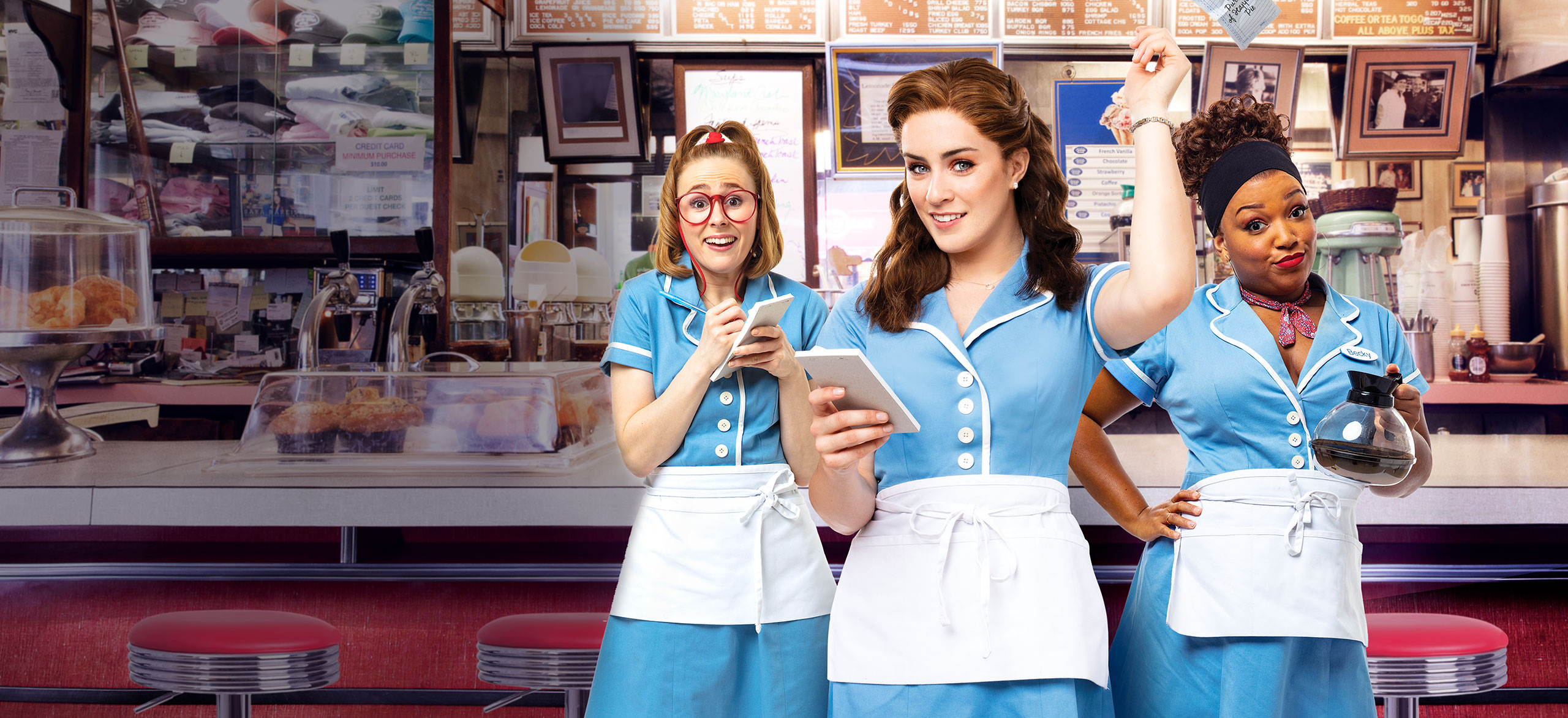
Sugar, butter, flour. Those three words have become a sort of secular prayer for theater geeks over the last decade. It’s wild to think that a small-budget indie film from 2007, written by the late Adrienne Shelly, blossomed into a Broadway juggernaut that refuses to quit. If you’re looking for information on the waitress musical on tour, you’re likely trying to figure out if it’s worth the triple-digit ticket price or if the touring production can actually capture the lightning-in-a-bottle magic of the original Sara Bareilles-led run.
Honestly? It usually does. But there’s a lot of nuance to how these tours are cast and staged that changes the vibe of the show significantly depending on where you see it.
The story of Jenna Hunterson—a baker trapped in a loveless, abusive marriage who finds a messy escape through a pie-baking contest and an even messier affair—shouldn’t necessarily be a "feel-good" hit. It’s heavy. It deals with domestic shadows and the crushing weight of unrealized dreams. Yet, the waitress musical on tour continues to sell out regional houses because it treats its characters like actual humans instead of musical theater archetypes.
The Pie-Scented Reality of the Road
One of the most frequent questions people ask about the tour is: "Does the theater actually smell like pie?"
On Broadway, they famously used a Convection Oven at the back of the Brooks Atkinson Theatre to bake a real deep-dish apple pie, venting the scent into the lobby. When the show hits the road, logistical constraints often mean they rely on "pie-scented" candles or specialized atomizers. It’s a small detail, but it sets the tone. You aren't just watching a play; you're stepping into Joe's Diner.
The touring production has seen several iterations. We’ve had the massive Equity national tours, and more recently, non-Equity runs that hit smaller markets. There is a legitimate debate among theater purists about the quality difference here. Equity tours typically feature seasoned Broadway veterans and more robust technical setups. Non-Equity tours often serve as a launching pad for incredible young talent—think of it as seeing the next big star before they hit the Tony stage.
Why Sara Bareilles Changed Everything
Before Waitress, most pop-star-to-Broadway transitions felt clunky. Bareilles didn't just write a few catchy tunes; she embedded her specific, conversational songwriting style into the DNA of the script. Songs like "She Used to Be Mine" have become modern standards, frequently covered on American Idol or The Voice.
The difficulty of the score is often underestimated. Jenna’s tracks require a massive vocal range and a specific "pop-belt" technique that can be grueling on a touring schedule of eight shows a week. When you see the waitress musical on tour, you’re watching an athletic feat of vocal endurance.
The music isn't just "show tunes." It's folk-pop storytelling.
Casting the Diner: From Broadway Stars to Local Favorites
The role of Jenna is a beast. We’ve seen everyone from Jessie Mueller and Katherine McPhee to Jordin Sparks and Sara herself play the part. On the road, the casting directors tend to look for women who can balance the dry, sarcastic humor of the dialogue with the raw vulnerability of the second act.
Then there’s Dr. Pomatter. The "quirky" doctor role is a fan favorite. The chemistry between Jenna and her doctor is what drives the middle of the show. If that chemistry isn't there, the affair feels icky. When it works? It’s electric. Most touring productions lean heavily into the physical comedy of the "Bad Idea" sequence, which usually gets the biggest mid-show standing ovation.
Don't sleep on the supporting cast, though. The "Dawn" and "Becky" roles provide the comedic backbone. The song "Soft Place to Land" is a masterclass in three-part harmony, and in the touring versions, this is often the moment where audiences realize this show has way more depth than the "pie musical" marketing suggests.
The Set and the "Bus and Truck" Constraints
Touring a show is basically a massive puzzle. The Waitress set features a giant glass pie case that has to be moved safely from city to city. In larger "A-list" markets like Chicago, LA, or London, you get the full proscenium treatment with the swirling blue diner aesthetics. In smaller "one-night-only" stops, the production might be slightly scaled back.
However, the core of the show—the diner booths and the rolling counters—remains the same. The intimacy is the point. You don't need a falling chandelier or a helicopter to make Waitress work. You just need a flour-dusted table and good lighting.
What Most People Get Wrong About the Plot
There’s a common misconception that Waitress is a simple rom-com. It isn't.
If you go in expecting a Hallmark movie, the domestic abuse plotline involving Jenna's husband, Earl, will hit you like a freight train. The show is actually quite dark in its first act. It explores the "gray areas" of morality. Jenna is cheating on her husband. Dr. Pomatter is cheating on his wife.
The musical handles this by making everyone—including the crusty diner owner, Joe—deeply flawed. It’s a story about "chosen family" versus biological or legal family. That’s why it resonates so deeply with people who feel stuck in their own lives. It’s about the messy, non-linear path to self-liberation.
Technical Specs and Attendance Tips
If you're planning to catch the waitress musical on tour this season, here is the brass tacks advice you actually need:
- Seat Selection: Try to sit in the center mezzanine. The choreography often involves overhead patterns with the ensemble carrying pies and trays, which looks stunning from a slight elevation.
- The Merchandise: They almost always sell mini-pies in jars at the intermission. They are overpriced. They are also delicious. Get the salted caramel one if it's available.
- Runtime: The show usually runs about 2 hours and 30 minutes, including one 15-minute intermission. It’s a tight show; it doesn’t drag.
- Age Appropriateness: While it looks colorful and "cute," the show deals with mature themes, including infidelity and emotional abuse. It’s generally recommended for ages 13 and up.
The Global Impact: Beyond the US Tour
While we talk about the North American tour, Waitress has become a global phenomenon. The West End production in London was a massive hit, and international tours have popped up in places like Japan and Australia. The 2023 filmed version of the Broadway show (starring Sara Bareilles) also gave the tour a second life by introducing the show to a whole new generation of fans who missed the initial run.
This "pro-shot" film actually helped touring sales. Usually, people worry that a filmed version kills the live gate, but for Waitress, it acted as a two-hour commercial for why you need to hear those harmonies in person. There is a physical vibration to "Used to Be Mine" that a TV speaker simply cannot replicate.
Navigating Ticket Scams and Resellers
Because the waitress musical on tour is such a hot ticket, secondary markets are flooded with marked-up seats. Always check the official venue website first. Many theaters now use dynamic pricing, meaning prices go up as seats fill.
If you are a student or on a budget, look for "Rush" tickets. Many touring venues offer a limited number of deeply discounted tickets (sometimes $30-$40) on the day of the performance. You usually have to show up at the box office the moment it opens, or enter a digital lottery via apps like Lucky Seat.
Why the Show Endures
We live in an era of massive, high-concept musicals based on giant movie franchises. Waitress is a bit of an anomaly. It’s small. It’s intimate. It’s about a woman making a pie.
But it survives because it taps into a universal truth: everyone has a "pie" they want to bake—a dream they’ve tucked away because life got in the way. Whether you see the show in a 3,000-seat theater in New York or a converted high school auditorium in the Midwest, that message remains intact.
The production doesn't rely on gimmicks. It relies on a script that is genuinely funny and a score that gets stuck in your head for weeks. It’s one of the few shows where the "ensemble" feels like a real community of people you’d actually meet at a diner at 2:00 AM.
Your Next Steps for the Best Experience
- Check the Official Tour Route: Visit the official Waitress the Musical website to see the current cast list and routing. Casts change every 6-12 months, and knowing if you're seeing an Equity or non-Equity cast helps set your expectations.
- Listen to the Cast Recording: If you aren't familiar with the music, listen to the Original Broadway Cast recording with Jessie Mueller. Then, listen to Sara Bareilles’ What’s Inside: Songs from Waitress album to hear how the songs evolved from pop demos to theatrical pieces.
- Download the Digital Program: Many tours have moved to QR-code programs. Download it early to read the "Notes from the Director" section; it provides great context on the Adrienne Shelly Foundation and the origins of the story.
- Arrive Early: The lobby experience is part of the show. Between the pie smells and the themed cocktails (usually named after pies from the show, like "The Big Whoop"), you’ll want at least 30 minutes to soak in the atmosphere before the curtain rises.