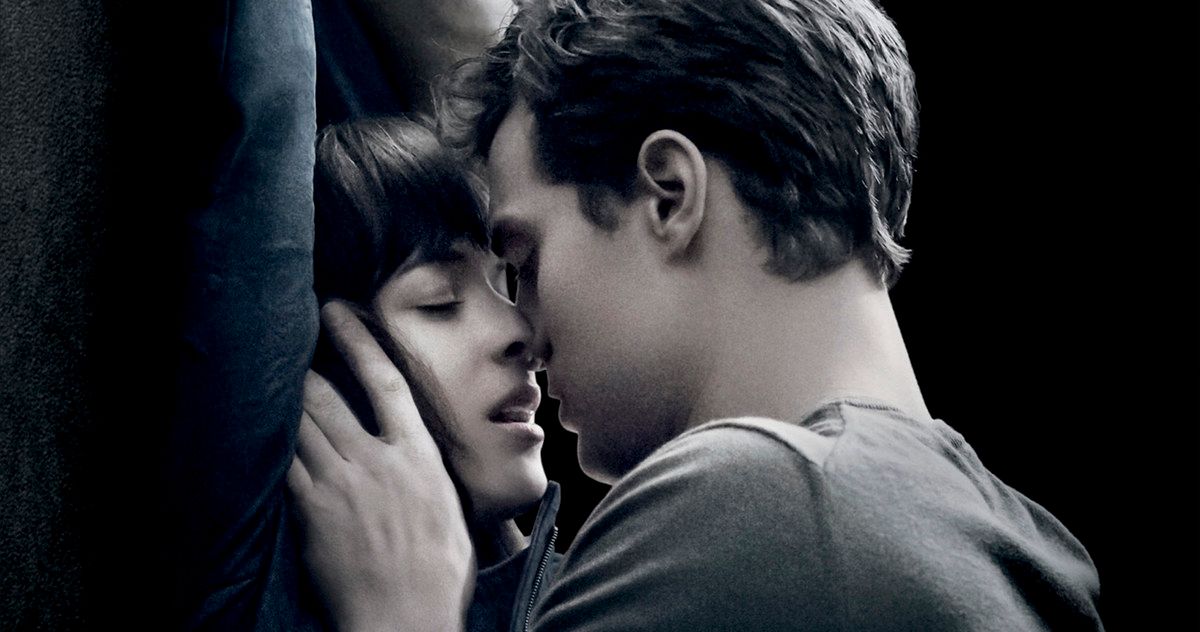
It happened back in 2015. After months of hype, a record-breaking trailer, and enough "mommy porn" headlines to last a decade, Sam Taylor-Johnson’s adaptation of E.L. James’s mega-seller finally hit theaters. It was a massive hit. But for a lot of fans, something felt... missing. It was a bit too polite. Too polished.
Enter the unrated Fifty Shades of Grey edition.
When the Blu-ray and digital versions dropped, they came with that "Unrated" badge that usually promises a lot more than it actually delivers. In Hollywood, "unrated" is often just a marketing gimmick to sell more plastic discs. You might get an extra thirty seconds of a landscape shot or a slightly longer sigh during a dramatic pause. But with a franchise built entirely on the concept of taboo and boundary-pushing, the stakes for an unrated version were actually pretty high.
So, let's get into what really changed. Honestly, if you were expecting a totally different movie, you might be disappointed. But if you’re looking for the specific nuances that the MPAA (Motion Picture Association of America) usually chops out to keep an R-rating, they’re definitely there.
The Numbers and the Nudity: Breaking Down the Unrated Fifty Shades of Grey
The unrated version isn't a "Snyder Cut." It doesn't add an hour of footage. In fact, the unrated Fifty Shades of Grey is only about three minutes longer than the theatrical version. Think about that for a second. Three minutes. In the grand scheme of a two-hour film, that’s barely enough time to make a cup of coffee.
But in the world of film editing, three minutes is an eternity.
Most of that extra time is sprinkled into the "playroom" scenes. In the theatrical cut, the editing is very "blink and you'll miss it." It uses a lot of close-ups on hands, faces, and inanimate objects—the whip, the rope, the tie. It’s suggestive. The unrated version lingers. It’s more explicit, not necessarily in a way that changes the plot, but in a way that changes the vibe. It feels less like a fashion shoot and a bit more like the source material.
There’s more skin. Obviously. Dakota Johnson and Jamie Dornan both have more screen time in various states of undress. Specifically, the "contract" negotiation scenes and the initial foray into Christian’s Red Room of Pain have beats that were clearly trimmed to avoid the dreaded NC-17 rating. The MPAA is notoriously weird about the duration of certain acts and the visibility of specific body parts. By going "unrated," the studio bypassed those rigid rules.
That "Alternate Ending" Everyone Talks About
The biggest selling point for the home release wasn't just the extra steam. It was the alternate ending.
In the theatrical version, the movie ends on a devastating note. Anastasia Steele realizes she can’t be what Christian wants—or rather, she can’t accept the way he expresses his needs. She tells him to hit her, he does, she’s horrified, and she leaves. The elevator door closes. "Ana." "Christian." Blackout. It’s a cliffhanger that mirrors the end of the first book perfectly.
The unrated Fifty Shades of Grey gives you a slightly different emotional payoff.
It includes a montage. We see Ana crying in the back of a Beetle. We see Christian looking moody and miserable in his massive apartment. It’s a bit more "Hollywood." It tries to bridge the gap between the first and second movies (Fifty Shades Darker) by showing that both characters are immediately reeling from the breakup. Some fans love it because it feels more conclusive; others hate it because it robs the elevator scene of its cold, sharp power.
Personally? The theatrical ending is better. It’s punchier. But the unrated version’s ending feels more like a traditional romance novel beat. It’s all about those lingering shots of regret.
Behind the Scenes: The Director vs. The Author
You can’t talk about why this movie feels the way it does without mentioning the friction on set. It’s a known fact in industry circles—reported heavily by outlets like The Hollywood Reporter and Variety—that Sam Taylor-Johnson and E.L. James did not get along.
James wanted a literal translation of her book. She wanted the grit, the specific dialogue, and the more "extreme" elements. Taylor-Johnson, who comes from an art-house background (she directed Nowhere Boy), wanted to make a stylish, psychological drama about a power imbalance.
This tug-of-war is visible in the unrated Fifty Shades of Grey.
The unrated cut feels like a slight concession to James. It restores some of the dialogue that felt a bit "too much" for a prestige film but was exactly what the book fans wanted. For example, some of the back-and-forth during the contract scene is extended. You get a better sense of Ana’s hesitation and Christian’s obsession with control. It’s not just about the physical stuff; it’s about the psychological negotiation.
Why the "Unrated" Tag Matters for SEO and Sales
Let’s be real. The term "unrated" is a power-word.
When people search for the unrated Fifty Shades of Grey, they aren't usually looking for a deep dive into the color grading or the Foley work. They want to know if they’re getting the "real" story. In 2015, this was a massive driver for digital sales on platforms like Vudu and iTunes. It created a second wave of hype.
Even now, years later, the search volume for the unrated version persists because the franchise has a "forbidden fruit" quality. People want to ensure they haven't missed a single frame of the controversy.
What’s actually added?
- More "Playroom" footage: Longer sequences involving the various BDSM toys and more explicit shots of the encounters.
- The Montage Ending: A sequence showing the immediate aftermath of the breakup for both Ana and Christian.
- Extended Dialogue: Specific lines from the book that were deemed too clunky or "cringe" for the theatrical cut were put back in.
- Nudity: More frequent and longer-lasting shots of the lead actors.
Does it Change the Movie’s Quality?
Honestly? Not really.
If you hated the movie in theaters, the unrated Fifty Shades of Grey isn't going to convert you. It’s still the same story. It still has that slightly awkward chemistry that some people find charming and others find painful. Jamie Dornan still looks like he’s trying to solve a complex math equation in his head during the romantic scenes.
However, if you are a fan of the books, the unrated version is the only way to watch it. The R-rated version feels sanitized. It feels like a "TV edit" of a story that is, by definition, supposed to be uncensored. The unrated cut captures the intensity better. It’s less afraid of the awkwardness of the lifestyle it’s depicting.
The cinematography by Seamus McGarvey remains the highlight. Whether it's the R-rated or the unrated version, the movie looks incredible. The cool grays of Seattle, the sharp lines of Christian’s penthouse—it’s all very "aspirational lifestyle" porn even before you get to the actual content.
How to Watch It Today
If you're looking for the unrated Fifty Shades of Grey now, you have to be careful about which version you’re clicking on. Most streaming services (like Max or Peacock, depending on the current licensing cycle) usually default to the theatrical R-rated version.
To get the unrated cut, you usually have to look for the "Bonus Features" section or buy the specific "Unrated Edition" on platforms like Amazon Prime Video or Apple TV. It’s rarely the one that plays by default.
Practical Steps for Viewers:
- Check the Runtime: The theatrical version is approximately 125 minutes. The unrated version is approximately 128 minutes. If you see "2h 8m," you’ve got the unrated one.
- Look for the "Bonus" Tab: On digital platforms, the unrated version is often tucked away as an "extra" rather than a separate movie entry.
- Physical Media is King: If you want the highest bitrate and all the deleted scenes (including the ones that didn't even make the unrated cut), the Blu-ray is still the best way to go.
- Compare the Endings: Watch the elevator scene in both. Notice how the silence in the theatrical version creates a different "gut punch" compared to the music-heavy montage of the unrated version.
The unrated Fifty Shades of Grey remains a fascinating artifact of mid-2010s pop culture. It represents the peak of the "book-to-screen" frenzy where the author had almost as much power as the studio. Whether it's "better" is subjective, but it is undeniably the most complete version of the vision—for better or worse.