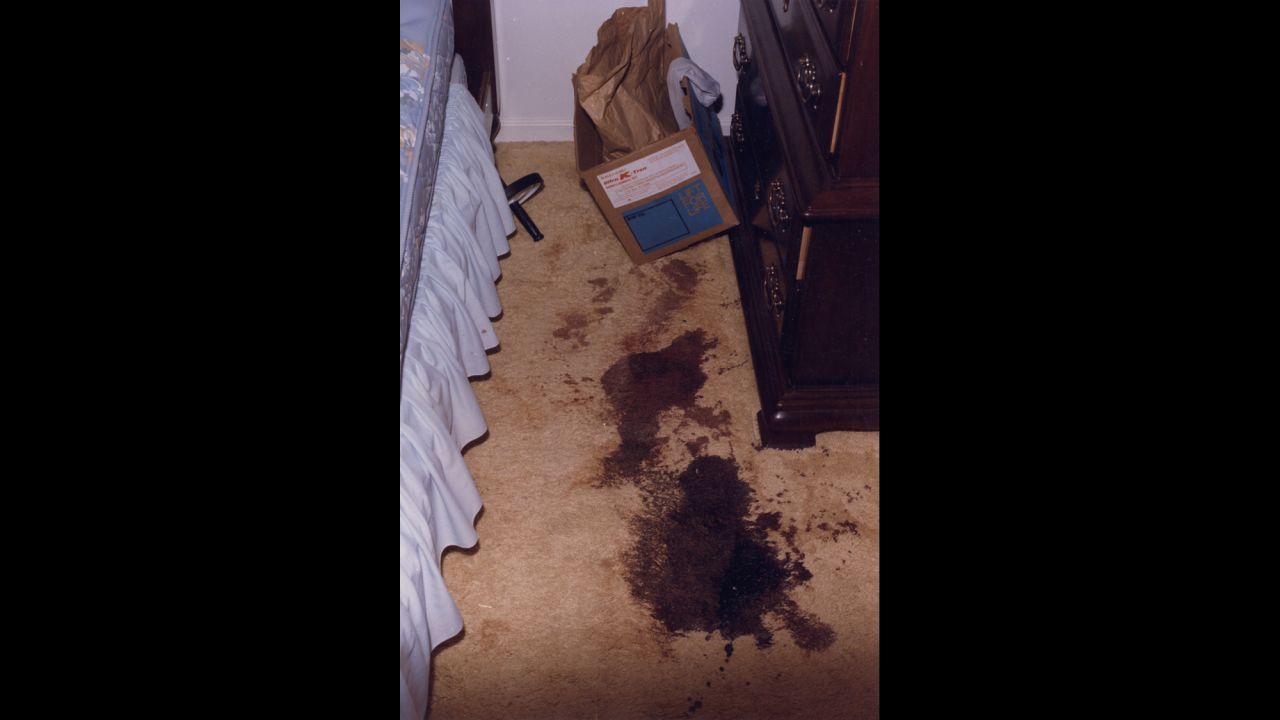
When the jury in Muskegon County sat down to look at the evidence against Shanda Vander Ark, nothing could have prepared them for the visual reality of what happened in that Norton Shores home. It wasn’t just about the testimony. It was about the images. Timothy Ferguson crime scene photos became the focal point of a trial that left seasoned investigators and even the judge visibly shaken.
People often go looking for these photos out of a sense of dark curiosity. But honestly? The story they tell is much heavier than a simple headline. They document the final days of a 15-year-old boy who weighed just 69 pounds.
Timothy was a child with special needs, living with autism and ADHD. He was supposed to be safe. Instead, the evidence showed a house turned into a tactical torture chamber.
What the Evidence Actually Showed
Walking into that house, the Norton Shores police didn't find a typical crime scene. They found a basement. They found a small space where Timothy was forced to stay.
One of the most chilling aspects of the Timothy Ferguson crime scene photos presented in court was the sheer lack of food. Or rather, the presence of locks. The refrigerator was locked. The cabinets were locked. Prosecutors showed how Shanda used technology—motion-activated cameras—to track Timothy's every move. If he tried to find water or a scrap of bread, a notification would hit her phone.
Then there were the "punishments."
The trial revealed a regime of cruelty that sounds like something out of a horror movie. Shanda and her older son, Paul Ferguson, used ice baths as a primary tool. Timothy was forced to sit in freezing water for hours. On the day he died in July 2022, he had been in an ice bath for roughly nine hours.
The Photos That Made a Mother Retch
There was a moment during the trial that went viral, but for all the wrong reasons. Shanda Vander Ark was on the stand, testifying in her own defense. The prosecution handed her a photo of Timothy.
It wasn’t a "before" photo. It was a photo of his body after months of starvation.
Shanda looked at the Timothy Ferguson crime scene photos and appeared to dry heave or vomit into a trash can. The judge, Matthew Kacel, wasn't buying it. He later noted that her reaction seemed performative compared to the calculated coldness she showed in her text messages.
Those texts were arguably just as graphic as the photos. They showed a mother and her adult son discussing "treatments" for Timothy. They talked about feeding him bread soaked in hot sauce. They talked about sleep deprivation. They talked about him like he was a problem to be solved, not a human being.
The Autopsy Findings
Dr. Joyce DeYoung, the medical examiner, provided the clinical context that made the photos so haunting. She described Timothy as "skin and bones."
- Height: 5 feet 8 inches.
- Weight: 69 pounds.
- Cause of death: Malnutrition and hypothermia.
He had virtually no body fat. His body was essentially consuming itself to stay alive. The Timothy Ferguson crime scene photos corroborated this, showing a level of emaciation that Judge Kacel compared to victims of the Holocaust.
Why These Photos Aren't Public (And Why That Matters)
You won't find the most graphic Timothy Ferguson crime scene photos easily available on the open web. There's a reason for that. Courts often seal the most "unduly prejudicial" or "gruesome" evidence to protect the dignity of the victim.
During the sentencing, Judge Kacel made a specific choice. He held up a different photo. It was a picture of Timothy before the abuse began. He was smiling. He looked healthy.
"I'm choosing not to remember your son dead looking like a Holocaust victim," the judge said. He wanted the record to reflect the boy Timothy was, not the tragedy he became.
The Role of Paul Ferguson
It's easy to focus solely on Shanda, but her son Paul played a massive role. He was 20 at the time. He claimed he was just following his mother's orders, but the evidence suggested he was an active participant.
He took photos of Timothy. He sent them to his mother to show he was "disciplining" him. These digital footprints were what eventually nailed them both. Paul was sentenced to 30 to 100 years. Shanda got life without parole.
Moving Toward Awareness
Cases like this leave people wondering how it could happen in a suburban neighborhood. How does a child disappear into his own basement?
The reality is that Timothy was isolated. He was homeschooled. The "system" didn't see him because he was kept out of sight.
Actionable Takeaways for Child Advocacy
If there is anything to learn from the tragedy documented in those Timothy Ferguson crime scene photos, it's the importance of "eyes on."
- Recognize the Signs: Drastic weight loss isn't just a "growth spurt." In Timothy's case, it was extreme and rapid.
- Report the "Small" Things: Neighbors mentioned hearing odd things or seeing a lack of activity. If you see something that feels "off," it's better to be wrong than to stay silent.
- Support Special Needs Families: Caregiving is hard, but isolation is dangerous. Community support can sometimes prevent the spiral into the kind of "trench mentality" that happened in the Vander Ark home.
- Advocate for Homeschool Oversight: Many states have very little "check-in" for homeschooled children. Supporting legislation that requires basic wellness checks can save lives.
The legacy of Timothy Ferguson shouldn't just be the photos of his suffering. It should be a wake-up call about the hidden corners of our communities. Shanda Vander Ark will spend the rest of her life in a cell, but the questions about how Timothy was failed by the people around him remain.
The best way to honor Timothy now is to ensure that the signs of such extreme abuse are never ignored again. We can't change what happened in that basement, but we can change how we look out for the children in our own neighborhoods.