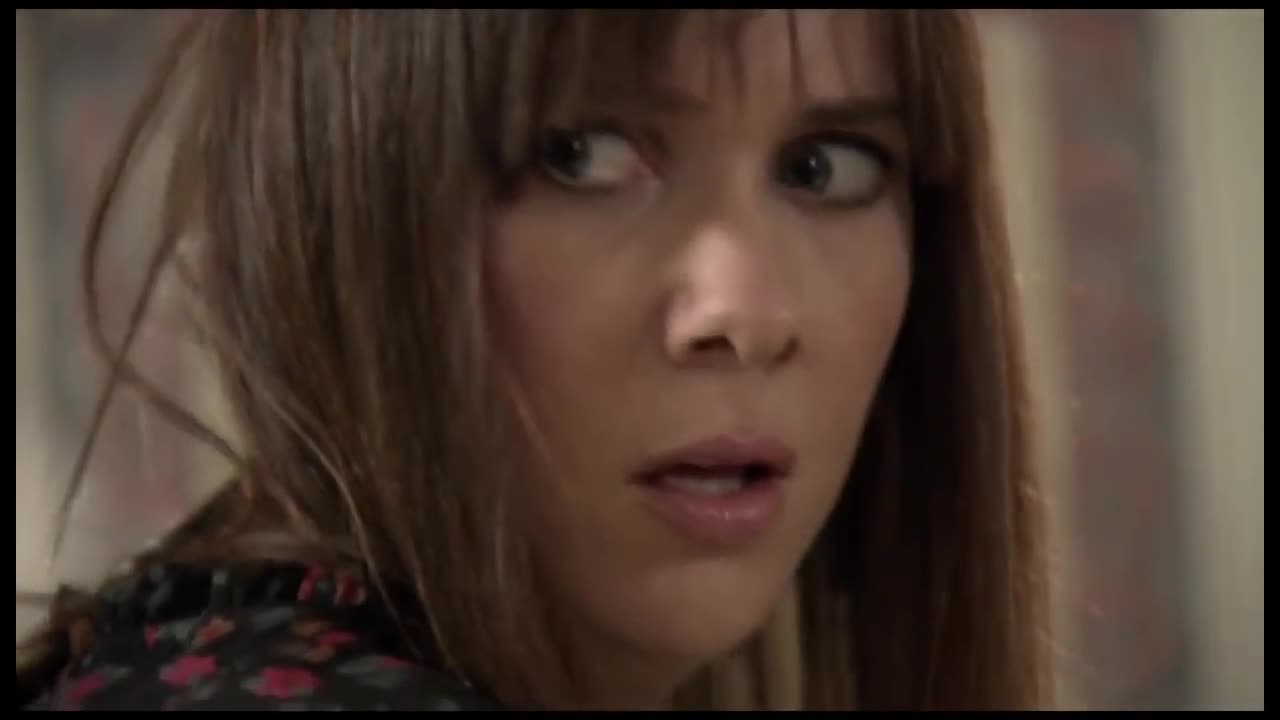
It starts with a single gunshot. Then another. Before you know it, the entire room is a mess of blood, confused expressions, and the pitch-shifted vocals of Imogen Heap. If you were online in 2007, you didn't just watch the SNL Whatcha Say skit—you lived it. Officially titled "The Shooting," this Digital Short remains the undisputed heavyweight champion of Saturday Night Live’s viral era. It didn't just make people laugh; it basically invented the template for how we meme tragedy today.
Most people call it the "Whatcha Say" sketch because of that iconic Jason Derulo sample, but real ones know the song is actually "Hide and Seek" by Imogen Heap. The sketch was a direct, surgical parody of the Season 2 finale of The OC. You remember that show, right? Mischa Barton’s character, Marissa Cooper, shoots Ryan’s brother Trey just as Imogen Heap’s ethereal voice kicks in. It was meant to be the most dramatic moment in teen TV history. Instead, Andy Samberg and The Lonely Island turned it into the ultimate punchline.
The Anatomy of The Shooting
The setup is deceptively simple. Bill Hader and Andy Samberg are sitting on a park bench. Hader reads a letter, Samberg gets emotional, and then—bam—Samberg shoots him. But the joke isn't the violence. It's the immediate, jarring entrance of the music. The "Dear Sister" letter is the catalyst. As soon as the trigger is pulled, the song starts: "Mm, whatcha say? Mm, that you only meant well?"
The genius lies in the escalation.
Fred Armisen walks in, sees the bodies, gets shot, and the music resets. Shia LaBeouf (the host that night) enters, gets shot, and the music resets again. By the time Kristen Wiig arrives and gets taken out by a dying Bill Hader, the audio is a chaotic, overlapping mess of Imogen Heap’s vocals. It's rhythmic. It's absurd. It’s perfect.
Honestly, the pacing is what makes it work. You think the joke is over after the second shooting. It isn’t. The writers understood that repetition is the soul of comedy, especially when that repetition involves slow-motion collapses and dramatic staring.
Why The O.C. Parody Landed So Hard
To understand why the SNL Whatcha Say skit exploded, you have to remember the cultural context of 2007. The OC was a juggernaut of teen angst. When Marissa shot Trey, the show used "Hide and Seek" to signify "Peak Drama." It was supposed to be heartbreaking.
But SNL saw the unintentional hilarity in the melodrama. By stripping away the context and just focusing on the absurdity of a pop song playing during a murder, they exposed how manipulative TV tropes can be. It was a meta-commentary on the "Very Important Episode" era.
Interestingly, the sketch almost didn't happen the way we remember it. The Lonely Island (Andy Samberg, Akiva Schaffer, and Jorma Taccone) were pioneers of the "Digital Short." Before them, SNL was mostly live sketches and the occasional pre-taped commercial. These guys brought a cinematic, weird, internet-first sensibility to 30 Rockefeller Plaza. "The Shooting" was their third or fourth major hit, following "Lazy Sunday" and "Dick in a Box."
The Imogen Heap and Jason Derulo Connection
Here is where the history gets a bit tangled for younger fans. A lot of people think SNL was parodying the Jason Derulo song "Whatcha Say."
Nope.
The SNL Whatcha Say skit aired in April 2007. Jason Derulo’s hit single "Whatcha Say," which samples Imogen Heap, wasn't released until 2009. Derulo’s song actually owes a massive debt to the sketch. While the original Imogen Heap track was a cult hit among indie fans, the SNL sketch made that specific "Mm, whatcha say" hook a household earworm. It’s highly likely that the mainstream success of Derulo's track was paved by the viral popularity of the Digital Short.
Imogen Heap herself has been a great sport about it. "Hide and Seek" is a deeply personal, experimental song written using a vocoder. It’s about the breakdown of a relationship, not a shooting gallery. Yet, she’s acknowledged that the sketch gave the song a second life that no marketing budget could ever buy.
A Technical Masterclass in "Bad" Editing
If you watch the sketch today, the editing looks "bad" on purpose. The zooms are too fast. The slow motion is slightly jippy. The blood squibs are clearly just red liquid being sprayed from off-camera. This wasn't because SNL lacked a budget; it was an aesthetic choice.
They were mimicking the "indie-sleaze" cinematography of the mid-2000s. The quick cuts between the shooters and the victims create a percussive rhythm that matches the song. Every time the lyrics hit, someone new falls over. It’s basically a music video where the only choreography is dying.
Bill Hader’s performance is particularly underrated here. The way his face goes from shock to a blank, "oh well" stare as he dies is comedy gold. And let's not forget the letter. "Dear Sister, by the time you read this, I will be dead. This is how I think it's gonna happen: Dave will shoot me, then I will shoot Dave, then Eric will get shot and then..."
The fact that the characters are reading their own deaths as they happen is the kind of high-concept writing that made that specific era of SNL so legendary.
The Viral Legacy: From YouTube to TikTok
The SNL Whatcha Say skit was one of the first pieces of content to prove that SNL could live outside of Saturday nights. In the early days of YouTube, this video was everywhere. It was the "Rickroll" before Rickrolling was a formalized thing.
People started making their own "Dear Sister" parodies. They would take clips from other movies—Star Wars, Harry Potter, The Lion King—and edit in the "Hide and Seek" audio the moment someone died. It was the first true "audio meme."
Even now, twenty years later, you see the influence on TikTok. When a creator uses a specific sound bite to highlight a moment of sudden failure or a dramatic twist, they are using the grammar established by The Lonely Island in 2007.
Misconceptions and Little-Known Facts
One thing people often get wrong is who actually wrote it. While it’s a Lonely Island joint, the entire cast contributed to the chaotic energy. Shia LaBeouf, who was hosting to promote Transformers, threw himself into the absurdity. It’s one of the few times a host has been perfectly utilized in a Digital Short without overshadowing the internal logic of the joke.
Another fun fact? The "Dear Sister" letter is actually a trope in itself. It’s a riff on the dramatic letters found in 18th-century epistolary novels, modernized for a generation that grew up on Degrassi and Dawson's Creek.
Some critics at the time thought it was too violent. Seriously. There were op-eds questioning if "gun humor" was appropriate for a late-night comedy show. But the violence is so cartoonish—so clearly detached from reality—that the controversy never really stuck. It wasn't about the guns; it was about the song.
Why We Still Talk About It
The SNL Whatcha Say skit represents a turning point in comedy history. It marked the moment when "weird" became "mainstream." Before this, SNL was often criticized for being too safe or too political. The Digital Shorts brought an anarchic, almost "Adult Swim" vibe to NBC.
It also highlighted the power of the "meme-able" moment. Long before we had the term "viral marketing," The Lonely Island was creating content designed to be shared. They weren't writing for the people in the studio audience; they were writing for the kids watching on laptops in their dorm rooms at 2:00 AM.
The sketch is a perfect time capsule. It captures the fashion of 2007 (shaggy hair and layered shirts), the music of 2007, and the specific way we used to make fun of TV back then. It’s a rare piece of comedy that hasn’t aged poorly because the target of its satire—over-the-top melodrama—is timeless.
How to Appreciate the Sketch Today
If you’re revisiting the SNL Whatcha Say skit or showing it to someone for the first time, there are a few things you should do to get the full experience.
- Watch the original OC scene first. Search for "Marissa shoots Trey" on YouTube. Watch it without irony. Notice how the music is used to pull at your heartstrings.
- Pay attention to the background characters. In the SNL version, the way the actors stand perfectly still until it's their "turn" to be shot is a deliberate nod to staged theater.
- Listen to the full version of "Hide and Seek." It’s actually a beautiful, complex song. It’s a shame it’s forever linked to a guy getting shot in the chest with a prop gun, but that's the internet for you.
Take Action: Explore the Digital Short Era
The SNL Whatcha Say skit is just the tip of the iceberg. To truly understand how this sketch changed comedy, you should look into the broader catalog of The Lonely Island.
- Check out "Lazy Sunday" to see where the Digital Short revolution began.
- Watch "Motherlover" or "I'm on a Boat" to see how they evolved the musical parody format.
- Find the "Dear Sister" fan edits from the late 2000s. Seeing how The Lion King looks with Imogen Heap playing over Mufasa’s death is a rite of passage for anyone interested in internet history.
The real takeaway here is that great comedy often comes from the most unlikely places—like a vocoder-heavy indie track and a teen drama finale. It reminds us that nothing is too "sacred" to be turned into a joke, and sometimes, the best way to handle a dramatic moment is to just keep shooting until the music stops.