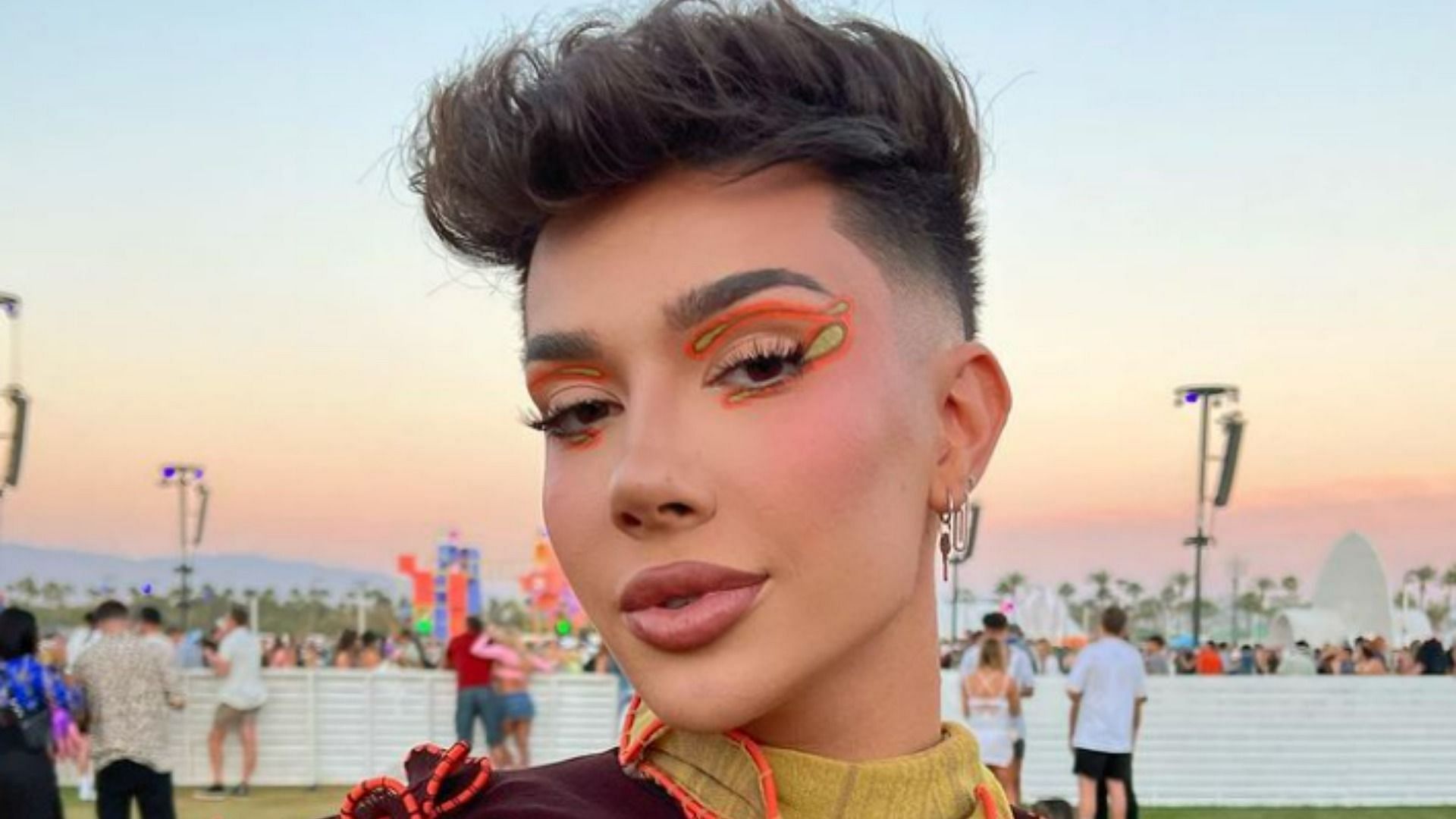
It was 2019. The desert heat was peaking, and the Indio valley was crawling with influencers in crochet sets and glitter. Then, James Charles posted a photo. He was wearing white denim chaps, a matching thong, and basically nothing else. The internet actually broke. Seriously.
People couldn't stop talking about the James Charles Coachella chaps moment. It wasn't just a bold outfit; it was a cultural flashpoint that signaled a shift in how influencers approached public appearances. Before this, Coachella was mostly about "Boho-chic" vibes. Think flower crowns and fringe. James flipped the script by bringing high-risk, "BBL-fashion" aesthetics to the mainstream spotlight, sparking a massive debate about modesty, gender expression, and what is actually appropriate for a music festival.
Honestly, it’s been years, but we still see the ripples of that outfit every April. Whenever a creator wears something borderline "NSFW" to a brand trip, they’re essentially walking the path James paved with those white straps and a lot of courage.
Why the James Charles Coachella Chaps Caused Such a Panic
Fashion is subjective, sure. But this was different. The backlash wasn't just about the skin—it was about the perceived "death of class" at festivals. Critics on Twitter (now X) and Instagram went feral. They claimed it was "too much" for a public space. Yet, if you look at the history of festival wear, from Woodstock to early 2000s raves, skin has always been in.
What made the James Charles Coachella chaps so polarizing was the juxtaposition of a traditionally "masculine" cowboy garment with a hyper-revealing, "feminine" silhouette. James was at the height of his "Sister" era. He had millions of young followers. This led to a heated discourse among parents and conservative commentators who felt the look was inappropriate for his demographic.
The memes were endless. People compared him to a centaur. They made jokes about the logistics of sitting down on a dusty shuttle bus. But here’s the thing: it worked. The engagement metrics on those posts were astronomical. In the attention economy, a "bad" outfit that everyone talks about is a thousand times more valuable than a "pretty" outfit that everyone forgets.
The Design and the Brand Behind the Look
Most people assume these were just random pieces thrown together. They weren't. The look was actually a collaboration with several stylists and reflected the "logomania" trend of the late 2010s. The chaps themselves were custom-distressed denim. They featured heavy silver hardware that gave off a bit of a BDSM-lite vibe, which was also starting to trend in high fashion at the time through brands like Diesel and Mugler.
- The Color: Stark white. A bold choice for a desert.
- The Cut: High-waisted with a focus on the hip bones.
- The Accessory: A matching white fanny pack (utilitarian, kinda).
It’s worth noting that James didn't just wear this for ten minutes for a photo. He actually walked around the festival in it. He attended the parties. He lived the look. That commitment is what separates a "costume" from a "moment."
Breaking Down the Gender Norms in Festival Fashion
We have to talk about the "men’s" fashion side of this. For a long time, men at Coachella wore basketball jerseys or floral button-downs. Boring. James Charles used the James Charles Coachella chaps to challenge the idea of what a male-identifying creator could show. It was an extension of his makeup artistry—blending boundaries.
If a female celebrity like Megan Thee Stallion or Cardi B wore those chaps, the reaction would have been "slay." Because it was a man, the reaction was "why?" This double standard is exactly what James was poking at, whether he meant to or not. He proved that "male" influencer fashion could be just as provocative and conversation-starting as "female" influencer fashion.
The Logistics of a Viral Coachella Outfit
Ever wondered how you actually wear that? It’s not easy. You need:
- Body Tape: Lots of it. To ensure nothing slips when you're dancing to Ariana Grande.
- Industrial-Strength Sunscreen: Because those tan lines would be permanent.
- A Security Detail: Not just for fans, but to navigate crowds when you're effectively wearing a belt and some leg tubes.
The Long-Term Impact on Influencer Marketing
Brands saw the chaos. They realized that "safe" outfits don't get picked up by E! News or Vogue. After the James Charles Coachella chaps went viral, we saw a massive uptick in brands like Revolve and Fashion Nova sending creators increasingly daring pieces. The "Chaps Trend" actually became a thing for a while, with different iterations popping up in fast-fashion collections across the globe.
It also changed how influencers prepare for festivals. It’s no longer about looking "cute." It’s about "the stunt." Every creator now goes to Coachella with the hope of having their own "Chaps Moment." They want the outfit that gets turned into a meme. They want the look that people are still searching for five years later.
Was it a "Fail" or a "Win"?
Depends on who you ask. If you're a fashion purist, it was probably a nightmare. If you're a social media strategist, it was a masterclass. James managed to stay at the center of the cultural conversation for an entire week. He dominated the "Best and Worst Dressed" lists, which, as any publicist will tell you, is better than not being on the list at all.
Critics often point to this moment as the beginning of the "influencer fatigue" era. People started to feel like Coachella was no longer about the music, but about who could wear the least amount of clothes for a sponsored post. There's some truth to that. The James Charles Coachella chaps became a symbol of the "performance" of the festival.
How to Navigate Bold Fashion Choices Today
If you're looking to make a statement—maybe not with white denim chaps, but something daring—there are lessons to be learned from this saga. Fashion is about confidence. If you're going to wear something that pushes boundaries, you have to own it completely. Any hint of hesitation makes the outfit look like it's wearing you, rather than the other way around.
- Understand Your Venue: Chaps at Coachella? Sure. Chaps at a local grocery store? Maybe not.
- Balance the Exposure: If you're going heavy on the bottom, maybe keep the top more structured. Or don't. James didn't, and look where that got him.
- Fabric Matters: Distressed denim is forgiving. Spandex is not. Choose materials that hold their shape.
The Takeaway for Modern Creators
The James Charles Coachella chaps era taught us that the internet has a very short memory for "pretty" but a long memory for "bold." Whether you loved it or hated it, that outfit is etched into the history of the 21st-century influencer. It challenged gender roles, sparked a million "think pieces," and reminded everyone that fashion is, at its core, supposed to be a little bit ridiculous.
To recreate a "moment" without the backlash, focus on intentionality. James knew exactly what he was doing. He knew it would be controversial. If you're going for a high-risk look, prepare for the feedback—both the "slays" and the "whys."
Actionable Next Steps
- Audit Your Style Strategy: Are you playing it too safe? Incorporate one "risk" element into your next big event look to see how your audience reacts.
- Study the Archives: Look at past Coachella fashion trends (2016-2024) to see how silhouettes have evolved from "boho" to "maximalist."
- Focus on Fit: If you’re attempting a cut-out or "chap" style, prioritize tailoring. The difference between a "fashion moment" and a "wardrobe malfunction" is usually about two inches of fabric and some high-quality adhesive.
- Own the Narrative: If you get roasted for an outfit, lean into it. Humor is the best way to handle a viral fashion "fail."
The desert continues to be a runway, but the bar for "shock value" is higher than ever. James Charles set a standard that creators are still trying to top, usually with far less denim and a lot more double-sided tape.