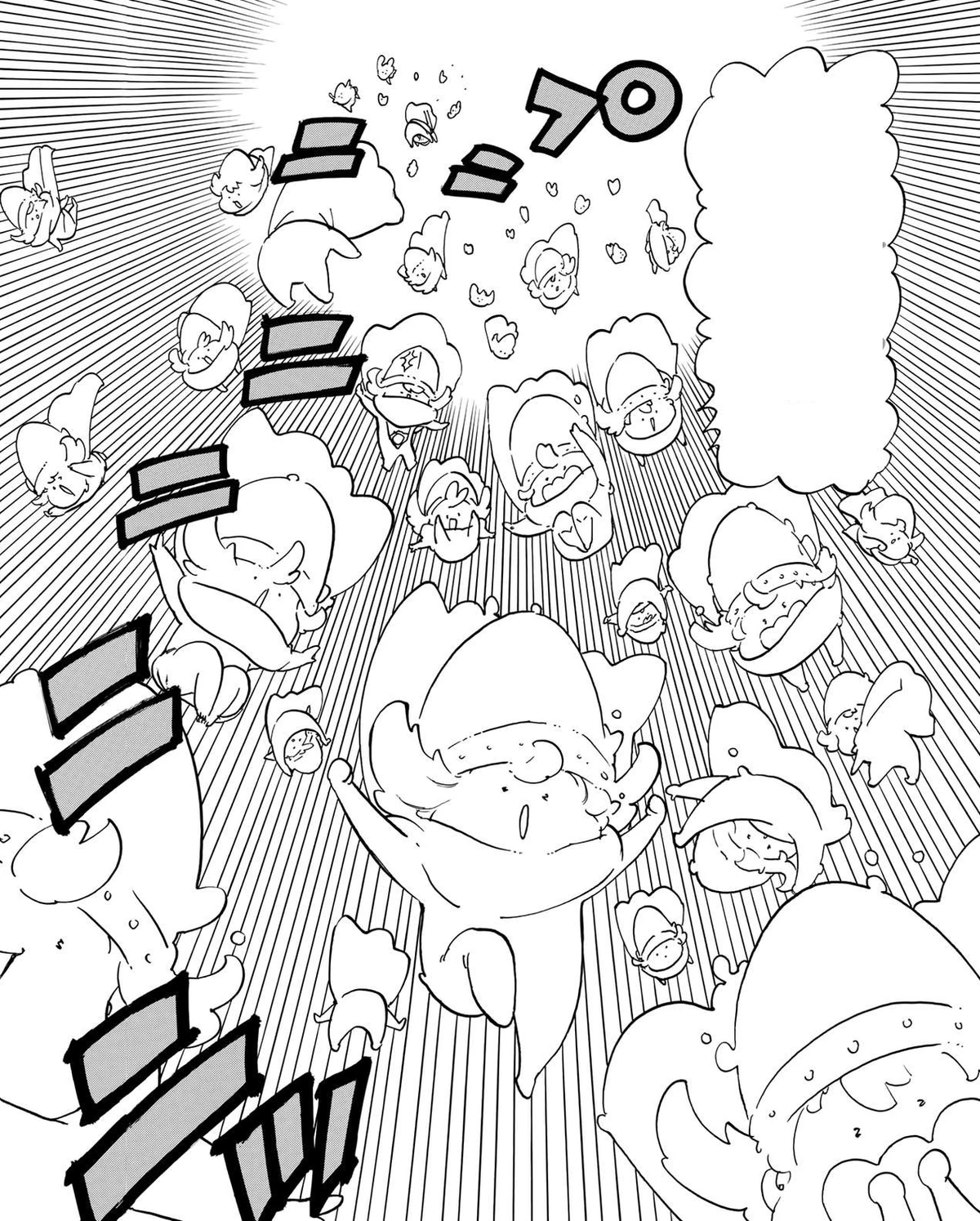
You’ve seen it. Even if you don’t recognize the name immediately, you have definitely heard the sound or seen the grainy, high-energy clips of a group of guys looking aggressively cool. Or at least trying to. Ore no kakkoii dachi, which translates roughly to "my cool friend" or "my cool buddies," isn't just a random phrase. It is a full-blown cultural moment that managed to bridge the gap between niche Japanese social media and the global "weird" side of TikTok and Reels.
It's weird. It's loud. Honestly, it's a bit chaotic.
The trend essentially revolves around a specific audio clip and a visual format where someone introduces their "cool friend" before the beat drops, leading into a frantic, choreographed, or intentionally cringey display of "coolness." But why did it work? Most viral trends die in a week. This one stuck around because it taps into a very specific kind of irony that Gen Z and Gen Alpha find irresistible.
Where Ore no Kakkoii Dachi Actually Started
Internet history is messy. If you try to pin down the exact millisecond something goes viral, you’re going to have a bad time. However, the roots of the ore no kakkoii dachi trend are firmly planted in Japanese short-form video platforms, specifically TikTok Japan.
It started as a legitimate way for creators to show off their social circles. In Japan, the concept of "kakkoii" (cool/handsome) is a massive part of youth culture. But the internet does what it always does: it took something earnest and turned it into a parody. The "cool" poses became more exaggerated. The outfits became more ridiculous.
What we're looking at here is a classic subversion of expectations. You expect a high-fashion transition. What you get is a guy in a convenience store parking lot doing a frantic dance move while his friend films on a shaky smartphone.
The Sound That Defined an Era
The audio is the heartbeat of the meme. It’s high-tempo, rhythmic, and has that specific "earworm" quality that makes you want to loop it. In many versions, the intro features a voiceover—sometimes a deep, stylized anime-esque voice—announcing the arrival of the "cool friend."
Musicologists might argue there’s nothing complex about it. They’d be right. But complexity isn't the point of a viral soundbite. The point is the "drop." The transition from the introduction to the action is where the dopamine hit happens. It’s a formula as old as Vine, yet it works every single time.
The Psychology of "Irony Posting"
Why do we watch this? Seriously.
If you analyze the engagement metrics on ore no kakkoii dachi videos, the comments are rarely "Wow, he is so cool!" Instead, they are filled with "I can't stop watching this" or "This is so cursed."
Psychologists often talk about "benign violation theory." It’s the idea that something is funny when it violates our expectations of how things should be, but in a way that isn't actually threatening. A group of guys acting like they are the main characters of a Shonen anime in the middle of a mundane street is a violation of social norms. It’s awkward. It’s "cringe." But because they are in on the joke, it becomes a shared moment of hilarity.
Breaking the Fourth Wall
Most influencer content is polished. It's fake. Ore no kakkoii dachi is the opposite. It’s raw. Even when it’s staged, it feels like something you and your friends would do at 2:00 AM after too many energy drinks.
That authenticity—even if it's "ironic" authenticity—is what builds a connection. You aren't just watching a creator; you're watching a group of dachi (friends) having a blast. It makes the viewer want to be part of the group. Or at least, it makes them want to film their own version with their own "cool" friends.
How the Trend Jumped Borders
Language barriers don't really exist on the modern internet. Not for memes.
You don't need to speak Japanese to understand the energy of ore no kakkoii dachi. When the trend hit the Western "toke" (TikTok) and Instagram circles, it morphed again. International creators started using the Japanese audio to parody their own local "cool guy" stereotypes.
In the US, you saw it used with "hypebeast" culture. In the UK, it was used with "roadman" aesthetics. The phrase "ore no kakkoii dachi" became a global shorthand for "look at this guy."
It is a perfect example of "Glocalization." That’s a fancy term for taking something global and making it local. The Japanese structure remained, but the cultural flavor changed depending on who was filming.
The Evolution into Modern Slang
Is it still just a meme? Not really.
By 2026, phrases like this often enter the permanent lexicon of internet-speak. You’ll see "my kakkoii dachi" used in photo captions or as a joke between friends even when there’s no music playing. It’s become a way to mock-celebrate your friends.
It follows the same path as "dattebayo" or "kawaii." People start using it ironically, then they use it so much that it just becomes part of how they talk. It’s the cycle of linguistic corruption, and it’s fascinating to watch in real-time.
Why Some People Hate It
Look, not everyone is a fan.
There is a segment of the internet that finds these trends incredibly annoying. They see it as "weeb" culture bleeding too far into the mainstream. There’s also the "cringe" factor. For older users, watching teenagers pose for a camera is physically painful.
But that friction is actually good for the meme. Conflict drives engagement. For every person hating on a "cool dachi" video, there are ten more people sharing it to laugh at the hater. The algorithm doesn't care if you're laughing with them or at them—it only cares that you're watching.
How to Spot a "Classic" Dachi Video
If you’re trying to find the best examples, you need to look for specific hallmarks.
First, the framing. It’s usually a low-angle shot. This makes the "cool friend" look larger than life.
Second, the lighting. It’s almost always terrible. We’re talking fluorescent convenience store lights or the harsh glow of a street lamp. This adds to the "underground" feel.
Third, the "pose." There is always a moment of stillness before the chaos. This is the "ore no..." part. Then, the "kakkoii" happens. It might be a dance, a flip, or just a very intense stare into the lens.
Actionable Takeaways for Content Creators
If you’re looking to tap into this kind of viral energy, don't just copy the trend. You have to understand the "why" behind it.
- Lean into the awkwardness. The most successful ore no kakkoii dachi videos are the ones where the creators aren't afraid to look a little bit stupid. If you try too hard to be actually cool, you miss the point.
- The audio transition is king. Timing is everything. If your movement is even half a second off from the beat drop, the whole thing falls flat.
- Use the "Friend" dynamic. These videos work because of the chemistry between the person filming and the person on camera. It’s about the "dachi" (friendship).
- Don't over-edit. High production values can actually kill a meme like this. Keep it raw. Keep it handheld. Keep it real.
The lifespan of an internet meme is usually short, but the "cool friend" trope is eternal. Whether it's called ore no kakkoii dachi or something else three years from now, the impulse to show off your friends in a ridiculous way isn't going anywhere.
To really master this style of content, stop worrying about being perfect. Start focusing on the "vibe." The internet in 2026 doesn't want polished perfection; it wants a moment of genuine, albeit weird, human connection. Go find your dachi, grab a phone, and stop taking yourself so seriously.