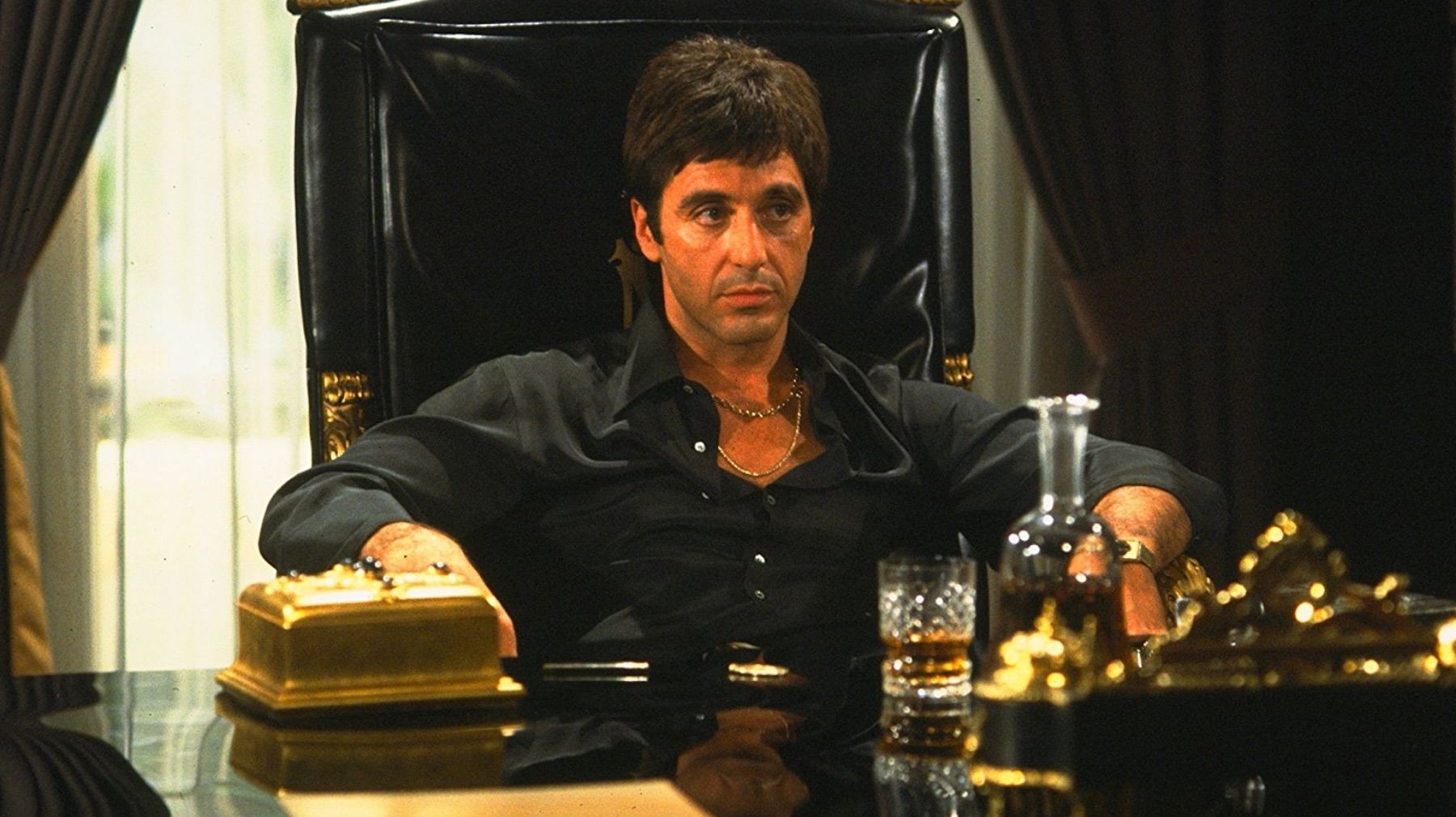
You've seen it. It’s everywhere. It usually starts with a grainy photo or a weirdly specific hyper-fixation, followed by the phrase "the masculine urge to..." followed by something that is, quite often, not masculine at all. Or maybe it’s extremely masculine in the most ridiculous way possible.
The internet is a strange place.
Memes move fast, but the masculine urge meme has managed to stick around longer than most. It’s one of those rare bits of digital culture that transitioned from a niche Twitter joke to a universal shorthand for our deepest, silliest, and most oddly specific desires. It isn't just about men being men. Honestly, it’s mostly about the irony of gender roles and the weird things we all want to do but never talk about.
Where This All Actually Started
Let's get the history straight. This didn't just appear out of thin air in 2024 or 2025. The roots go back to late 2021. If you look at the data from sites like Know Your Meme, the trend really caught fire on Twitter (now X) before jumping over to TikTok and Instagram. It started as a parody of "the feminine urge," which was already circulating as a way for women to joke about things like "the feminine urge to overthink a text for six hours."
Naturally, the internet did what it does best: it flipped the script.
The earliest iterations were often sincere. Or at least, they felt that way. Someone might post about "the masculine urge to protect," and it would be a bit earnest. A bit "alpha male" influencer energy. But the internet has a very low tolerance for sincerity that feels like posturing. The joke evolved almost instantly. Users began using the phrase to describe things that were decidedly un-masculine or just completely absurd.
Think about the contrast. You have this heavy, traditional word—masculine—paired with something like "the urge to buy a tiny frog figurine." That’s the engine that drives the humor. It’s a subversion of expectations.
Why the Masculine Urge Meme Won’t Die
Social media thrives on "relatability." That’s the currency. When someone posts "the masculine urge to restart a video game because I made one wrong dialogue choice," thousands of people feel seen. It’s a specific brand of digital commiseration.
We live in a time where gender roles are being deconstructed, reconstructed, and generally poked at with a stick. This meme is a byproduct of that. It allows guys to express vulnerability or "un-manly" interests through a layer of thick irony. It’s a safety blanket. If you say you like scented candles, maybe you feel self-conscious. If you post about "the masculine urge to buy the Midnight Lavender 3-wick candle," it’s a joke. But you still get to talk about the candle.
The Power of Irony in Modern Slang
Irony is the shield of the Gen Z and Alpha internet user. By framing a behavior as a "masculine urge," the poster is usually acknowledging that the behavior is actually quite common or even slightly embarrassing.
Consider these variations that have gone viral over the last couple of years:
- The masculine urge to stare into a hole in the ground for ten minutes.
- The masculine urge to explain the entire lore of Warhammer 40,000 to someone who clearly doesn't care.
- The masculine urge to carry all the grocery bags in one trip, even if it cuts off the circulation to your fingers.
- The masculine urge to say "that's not going anywhere" after strapping something to a roof rack.
Notice the pattern? Some are about hobbies. Some are about those weird, instinctual behaviors that seem baked into the DNA of anyone who grew up around traditional father figures. It’s a mix of the profound and the pathetic.
The Evolution into "The Urge" Meta
Eventually, the meme stopped being about gender entirely. It just became "the urge." We saw "the feminine urge," "the non-binary urge," and even "the urge" for specific fictional characters or subcultures. But the masculine urge meme remains the heavyweight champion of the format because of the historical baggage of the word.
"Masculinity" as a concept carries a lot of weight. It suggests strength, stoicism, and silence. By attaching it to things like "wanting to pet every dog I see," the meme highlights the absurdity of those rigid definitions. It’s a form of soft rebellion.
It’s also worth noting how brands tried to jump on this. Usually, when a brand uses a meme, it dies. We call this "meme graveyard" territory. But somehow, because the format is so flexible, it survived even the most cringe-worthy corporate tweets. It’s too modular to break. As long as there is a discrepancy between what society expects and what people actually do, this meme has legs.
Misconceptions and the "Alpha" Trap
One thing people get wrong is thinking this meme is always a joke. It’s not. There’s a darker, or at least more serious, corner of the internet where the masculine urge meme is used unironically by "self-improvement" or "alpha" accounts. They use it to promote "traditional values" or stoicism.
This creates a weird tension. You’ll have one post that is clearly a joke about wanting to build a Lego Star Destroyer, and the next post under the same hashtag is a workout video with a voiceover about the "urge to conquer."
This is the complexity of digital language. The same phrase can be a joke to one person and a manifesto to another. Most people, though, are just here for the laughs. They recognize that the "urge" to throw a large rock into a lake and watch the splash is a universal human experience, regardless of whether you call it masculine or not.
Does it actually mean anything?
Psychologically, maybe. Dr. Rachel Grieve, a psychologist who has studied internet behavior, often points out that memes serve as a "social glue." They help us categorize our experiences. When we label a feeling as a "masculine urge," we are creating a micro-community of people who feel the same way.
It’s also about the "inner child." A lot of these memes are about simple, tactile joys. Digging a hole at the beach. Building a fire. Throwing a rock. These are things kids do. By calling them masculine urges, adults give themselves permission to still enjoy them.
The Linguistic Structure of a Viral Meme
If you’re trying to understand why this specific phrase works so well from a writing perspective, it’s all about the "The [Adjective] [Noun] to [Verb]" structure. It’s a perfect linguistic template. It’s authoritative. It starts with a definitive article ("The"), which makes the statement feel like an objective fact rather than an opinion.
Then you have the contrast.
"The masculine urge..." (Serious, heavy, traditional)
"...to make a little 'vroom vroom' noise when I move my car in the driveway." (Childish, silly, specific).
The "click" happens in the brain when those two halves collide. If the second half is too serious, it isn't a meme—it's just a statement. If the first half is too silly, there’s no contrast. The tension between the "Alpha" setup and the "Beta" or mundane reality is the sweet spot.
Beyond the Screen: Real World Impact
Believe it or not, these memes leak into real life. You’ll hear people say it out loud at parties. "The masculine urge to check the grill every five minutes," someone will say while hovering over some burgers. It has become a part of the modern lexicon, a way to narrate our own lives in real-time.
It also provides a weirdly effective way to talk about mental health without being "heavy." A post about "the masculine urge to stay in the car for 10 minutes after getting home just to sit in the silence" hits hard. It’s funny, sure. But it’s also a very real description of burnout and the need for space. The meme provides a "safe" way to admit to those feelings.
Practical Takeaways for Navigating Meme Culture
If you're looking to actually use this or understand it better, don't overthink it. That’s the first rule of the internet. But if you want to understand the "meta," keep these things in mind:
- Specificity is king. The more specific the urge, the funnier it is. "The masculine urge to buy tools" is boring. "The masculine urge to buy a 40-piece socket set even though I only need one wrench and I don't know how to use the other 39" is a winner.
- Context matters. The meme works because of what we think masculinity is. If you don't understand the stereotype, the subversion doesn't land.
- Watch for the shift. Memes are moving toward "post-irony." People are starting to use the phrase to describe things that are actually, sincerely masculine again, but with a wink to the camera. It’s a circle.
The masculine urge meme is a testament to how we use humor to process identity. It’s not just a trend; it’s a tiny, digital mirror reflecting our weirdest habits back at us. Whether you're actually feeling the urge to build a stone wall in your backyard or you just want to sit on the floor and eat cereal, there’s probably a version of this meme that fits your life perfectly.
Instead of just scrolling past the next one you see, try to identify the "contrast." Why is it funny? Is it because it’s true, or because it’s so absurdly false? Understanding that gap is the key to understanding how we communicate in 2026. If you're feeling adventurous, try verbalizing your own "urges" next time you catch yourself doing something inexplicably specific—it’s a surprisingly great way to break the ice.