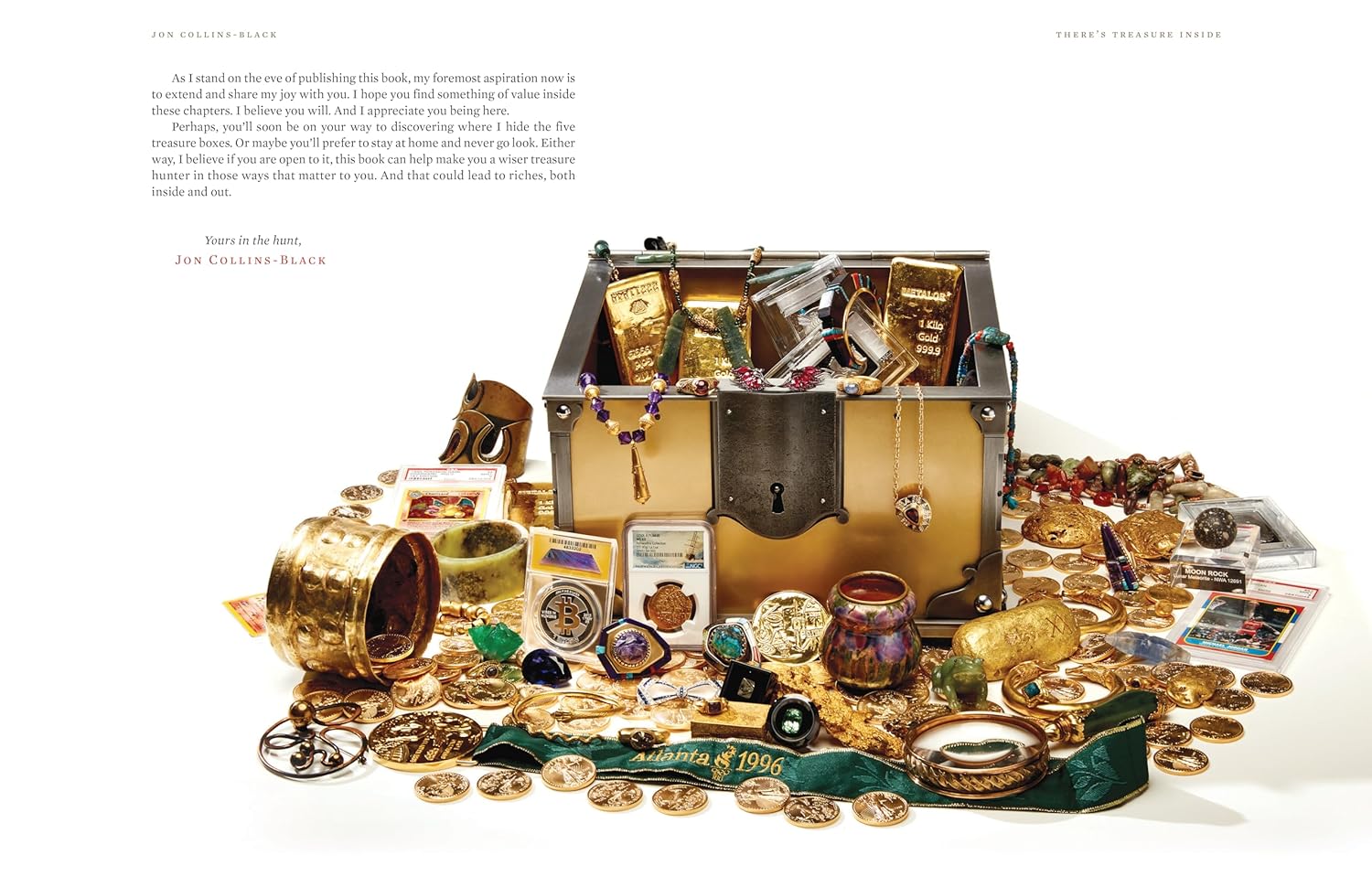
For over a decade, the Rocky Mountains were basically a playground for people obsessed with a 24-line poem. We’re talking about thousands of searchers—some who quit their jobs, others who spent their life savings—all looking for a bronze chest filled with gold coins, rubies, and ancient artifacts. Then, in 2020, everything changed. Forrest Fenn announced the chest had been found. But the "finding" wasn't the end of the story. If anything, the new Fenn treasure saga actually began the moment Jack Stuef pulled that box out of the dirt in Wyoming.
It's been a few years now, and the dust has finally settled on the lawsuits and the "hoax" theories. Honestly, the reality of how the treasure was found is way more interesting than the conspiracy theories that claim it never existed in the first place.
The Wyoming Reveal and the End of the Chase
The hunt ended in June 2020. Forrest Fenn, the eccentric art dealer from Santa Fe who started the whole thing, posted a short note on his website. He said the search was over. He didn't name the finder at first. He just said the guy was from "back East" and that the poem had led him to the spot.
People went nuts.
For years, the community had built up this idea of what the "find" would look like. They expected a grand revelation of the "Blaze" or the "Home of Brown." Instead, they got a vague announcement and a few grainy photos of a guy with messy hair looking at a chest. That guy turned out to be Jack Stuef, a former journalist and medical student.
Stuef didn't want to be famous. In fact, he tried to stay anonymous to protect himself and his family from the more... let's say "intense" members of the searcher community. But a lawsuit filed by a lawyer named Erica McCracken forced his hand. Legal filings are a great way to lose your privacy. Once his name was out, Stuef decided to tell his side of the story, and it wasn't the Indiana Jones adventure people expected. It was a grind. He spent two years obsessing over Fenn's words, not just the poem but every interview the man ever gave. He realized the new Fenn treasure wasn't going to be found by someone hiking randomly; it was going to be found by someone who understood Forrest Fenn’s psychology.
Why the "Hoax" Theories Just Won't Die
You've probably seen the forum posts. "Fenn took it back." "It was all a marketing ploy for his books." "Stuef is a paid actor."
Logic says otherwise, but humans love a good conspiracy.
The skeptics point to the fact that the location wasn't revealed immediately. Stuef and the Fenn estate kept the exact GPS coordinates secret for a long time to prevent the site from becoming a "tourist trap" or being desecrated. Eventually, it was revealed the chest was hidden in Yellowstone National Park. This created a whole new mess because, technically, finding treasure on National Park land involves a lot of red tape regarding "abandoned property" and federal ownership.
Here’s the thing: The IRS doesn't joke around. If the treasure hunt was a hoax, the tax implications of "finding" millions of dollars in gold would be a legal nightmare that no sane person would sign up for. Stuef had to deal with the physical reality of the chest—the "smell of pine needles and damp earth," as he described it. He also had to deal with the logistics of selling it.
The Auction and the Physical Reality
If you still think the new Fenn treasure is a myth, look at the 2022 Heritage Auctions results. The "Forrest Fenn Treasure" sold for a combined total of $1.3 million.
- The chest itself sold for $48,000.
- A wax-sealed jar containing Fenn’s autobiography sold for over $26,000.
- The 20-ounce gold nugget? That went for a staggering $55,200.
These aren't "prop" prices. These are real collectors paying real money for items that have been verified by third-party appraisers. Stuef sold the bulk of the treasure to a group of private investors before the auction even happened, which is why the auction was titled "The Fenn Treasure" rather than being sold directly by Stuef himself. He basically cashed out and tried to get his life back.
The Psychology of the Solve
How did Stuef actually do it? This is where most searchers failed. They were looking for physical landmarks that looked like "Heavy Loads" or "Water High." Stuef looked for "the blaze" and realized it wasn't a permanent fixture of the landscape.
He figured out that the "blaze" was likely a mark on a tree.
Think about that for a second. Fenn hid the treasure in 2010. He was in his 80s. He wanted the treasure to be found, but he also wanted it to stay hidden until the right person "read" him correctly. Stuef spent dozens of days in the same small area of Wyoming, specifically in the Madison River area of Yellowstone. He didn't find it on his first trip. Or his tenth. He found it after he noticed a specific "scar" on a tree that matched Fenn’s cryptic descriptions of a mark that would disappear over time but remain long enough for a determined seeker.
It was a battle of attrition.
Most people wanted the treasure to be at the bottom of a waterfall or inside a cave. They wanted drama. Stuef found it in a nook, under some brush, in a place that looked like a thousand other places in the woods. It’s almost disappointing, right? But that’s reality. It’s messy and quiet.
The Legal Aftermath You Didn't Hear About
While the internet was busy debating if the gold was real, the courtrooms were busy with people claiming they were cheated.
There was a woman from Chicago who claimed her email had been hacked and that her "solve" was stolen. There was a man who sued Fenn's estate claiming the poem was misleading. Most of these cases were tossed out because, frankly, they lacked evidence. But they highlight a dark side of the new Fenn treasure legacy: the way it broke people's sense of reality.
When you spend ten years of your life convinced that a treasure is under a specific rock in New Mexico, and then some guy finds it in Wyoming, your brain has two choices. You can admit you were wrong, or you can believe the whole thing was rigged. Many chose the latter.
What We Can Learn From the Chase
So, what’s the takeaway here? Is there another treasure out there?
Probably not one like this. Forrest Fenn was a one-of-a-kind character—part P.T. Barnum, part Indiana Jones. He created something that captured the collective imagination because it felt like an old-world mystery in a digital age.
If you're looking for actionable insights from the Fenn saga for your own life or your own "searches," consider these points:
Understand the "Author" First
Stuef didn't just study the map; he studied the man. He read everything Fenn wrote to understand his vocabulary and his quirks. In any complex problem, the "human element" is usually the key.
Persistence Beats "Eureka" Moments
The "new Fenn treasure" wasn't found in a flash of brilliance. It was found through hundreds of hours of failed attempts and "boots on the ground" effort. Stuef slept in his car. He dealt with bears. He dealt with the crushing disappointment of empty holes.
The "Blaze" is Often Temporary
In the hunt, and in life, the signs we look for aren't always permanent. Fenn's blaze was a mark on a tree that was rotting. If Stuef had waited another five years, the tree might have fallen, and the treasure might have been lost to the earth forever. Timing is everything.
Accept the Conclusion
The most important step for any "searcher" now is to accept that the chest is gone. The gold has been sold. The mystery, at least the physical one, is solved.
The real legacy of the Fenn treasure isn't the gold coins or the turquoise beads. It’s the fact that for ten years, thousands of people looked up from their phones and went into the woods. They saw the Rockies. They smelled the pine. They felt the "thrill of the chase." Even if they came home empty-handed, they participated in the last great American mystery of the 21st century.
To move forward, start by archiving your old maps and "solves." The Wyoming site is public knowledge now—specifically near the Madison River—but there is nothing left to find there except the holes where others have dug. If you want to find something valuable today, you have to look for the "new" treasures: the stories yet to be told or the puzzles that haven't been written yet. The Fenn chapter is closed, and honestly, that's okay. It’s time to find a new mountain to climb.
Check the auction records if you need closure. Look at the photos of the oxidized bronze chest. Realize that it was a physical object in a physical place, found by a guy who simply worked harder and thought more laterally than everyone else. That's the most human ending possible.
Next Steps for Former Searchers:
- Visit the Madison River area in Yellowstone not to search, but to see the terrain that finally gave up the secret.
- Read "The Thrill of the Chase" one last time with the Wyoming location in mind; you’ll be amazed at how different the clues look when you know the answer.
- Research modern "armchair treasure hunts" like "The Secret" or "Masquerade" if you still have the itch for a puzzle, but keep your expectations grounded in the reality of the grind.
The gold is gone, but the mountains are still there. That was always part of Fenn's plan anyway.