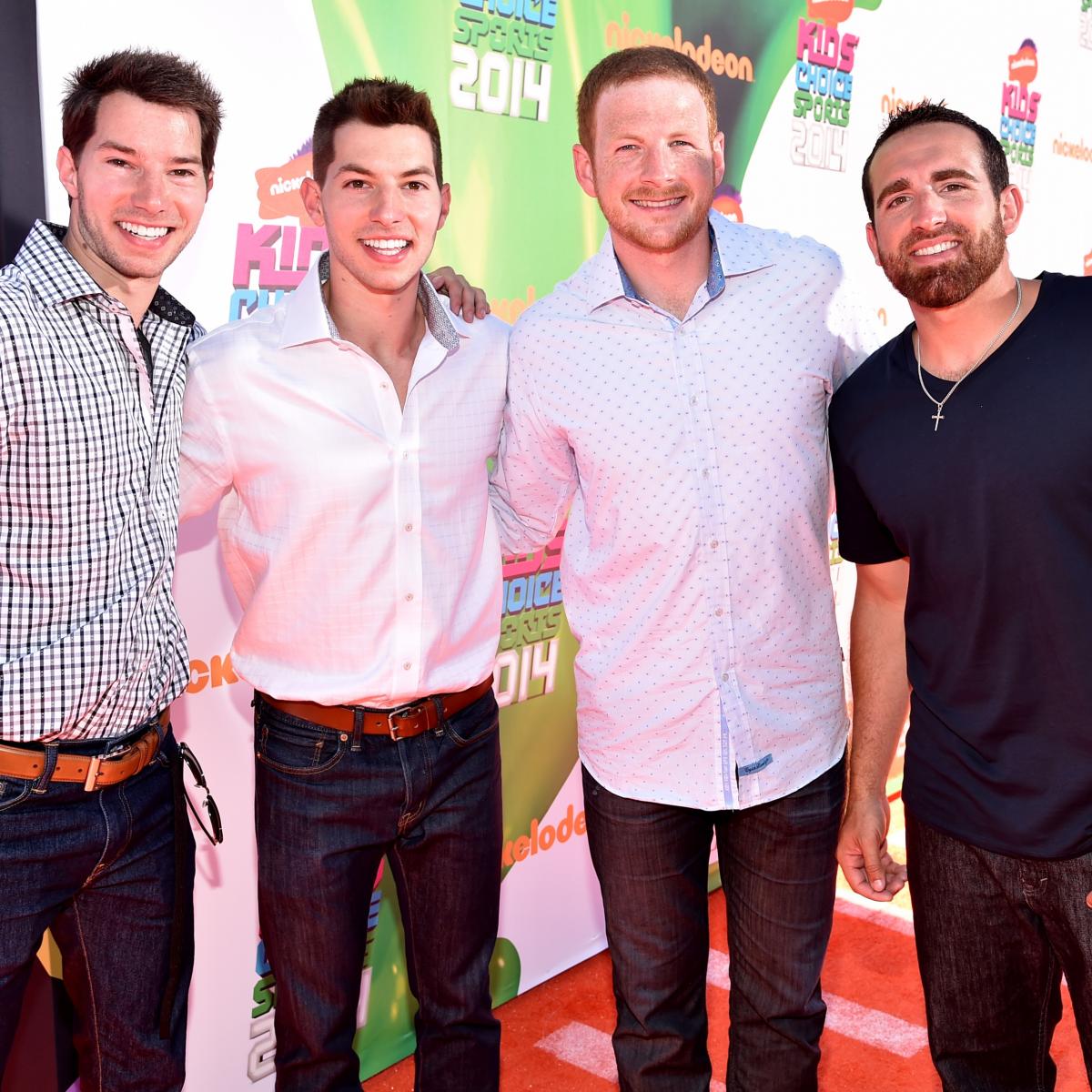
They started in a backyard. Just some college roommates from Texas A&M, a basketball, and a camera that probably belonged in a museum. Now, Coby, Cory, Tyler, Cody, and Garrett—better known as Dude Perfect—are basically a global conglomerate of "good vibes" and physics-defying trick shots. Most people know the YouTube channel. It’s a behemoth. But the Dude Perfect TV show represents a weirdly fascinating pivot in how digital creators try to conquer "old school" media. It wasn't just a side project; it was a calculated move to see if the high-energy chaos of a five-minute viral clip could actually survive the structure of a half-hour television slot.
Nickelodeon, CMT, and the Linear Gamble
The transition started with The Dude Perfect Show. It’s kind of funny looking back, but it actually premiered on CMT back in 2016 before finding its more natural home on Nickelodeon. Think about that for a second. You have five guys who became famous for spending 14 hours trying to sink a single shot from the top of a stadium. How do you turn that into a narrative?
The show wasn't just trick shots. If it were, it would have failed. People can watch trick shots on their phones while waiting for a bus. Instead, the Dude Perfect TV show leaned heavily into the "behind the scenes" lifestyle and the ridiculous competitive nature of the group. It felt like a fever dream of a sitcom mixed with a reality competition. They brought in massive guest stars—we’re talking Chris Paul, Aaron Rodgers, and even Tim McGraw. It was basically a polished, high-budget version of the "Panda" mascot antics and the "Stereotypes" sketches that built their empire.
Why the Dude Perfect TV Show Actually Worked (When Others Failed)
Most YouTubers fail on TV. They just do. The pacing is usually wrong, or the "internet personality" feels forced when there's a professional camera crew involved. The Dudes escaped this trap because they didn't try to change their DNA.
The show focused on "The Battle." This is a crucial element of the Dude Perfect brand. It’s not just about the shot; it’s about the stakes. Whether it’s loser-cleans-the-office or loser-gets-shaved, the stakes made the 22-minute runtime feel earned. They also utilized their massive warehouse in Frisco, Texas, as a character in itself. The "Dude Perfect HQ" is basically a playground that every kid (and most 30-year-old men) would sell a kidney to live in. By showcasing the building of the stunts—the failures, the engineering, the "Garrett-is-angry" moments—they gave the audience a reason to stay tuned through the commercial breaks.
Honestly, the Nickelodeon run was a masterclass in brand expansion. They knew their demographic was aging down slightly as they became more "family-friendly," and Nick provided a platform that solidified them as household names for a generation that doesn't even know what a "TV channel" is anymore.
Breaking Down the Production Values
On YouTube, a "high budget" video might cost $100,000 to $500,000 to produce, especially for their "Bucket List" series. But the Dude Perfect TV show had the backing of a major network. This meant better lighting, better sound, and more importantly, better legal clearance for the insane stuff they wanted to do.
They weren't just throwing footballs into trash cans from a helicopter anymore. They were orchestrating massive, multi-step Rube Goldberg machines that took up entire soundstages. It was "Mythbusters" meets "Jackass," minus the hospital visits and the crude humor.
The Shift to Streaming and the DP2 Project
If you follow the group lately, you’ll notice the conversation around the Dude Perfect TV show has shifted. Linear TV is dying. The guys know it. That’s why their focus has moved toward their own app and the massive "DP2" headquarters project.
They recently secured a $100 million investment from Highmount Capital. That is an insane amount of money for a "trick shot" group. This money is being funneled into a massive new destination in Frisco that is part theme park, part production studio, and part retail space. While the Nickelodeon show was a great chapter, the "new" version of the show is essentially happening in real-time on their own terms.
They’re building a 330-foot "trick shot tower." Let that sink in.
Common Misconceptions About the Show
People often think the TV show was scripted. While there is definitely a "production flow" to keep things moving, the Dudes have been adamant for years that the shots are 100% real. No CGI. No magnets. Just an absurd amount of patience and a very tired film crew.
Another misconception? That the show replaced the YouTube channel. It didn't. In fact, the TV show acted more like a "best-of" or an "expanded universe" for the fans who wanted more than just a 10-minute upload every other week. It filled the gap. It kept the brand "always on."
The Key Cast Dynamics
- Tyler Toney: The "Beard." He’s the hyper-competitive one who usually wins the battles.
- The Twins (Coby and Cory Cotton): The business minds and the "Twin Sensation."
- Cody Jones: The "Tall Guy." Usually the butt of the jokes, but surprisingly clutch.
- Garrett Hilbert: The "Purple Haze." The guy everyone loves to see lose because his reactions are gold.
Real-World Impact: More Than Just Entertainment
The Dude Perfect TV show and the brand as a whole have done something rare: they made "wholesome" cool. In an era where internet fame often comes from drama or "exposure" stunts, these guys stayed married, stayed friends, and stayed focused on a specific type of faith-based, family-oriented content.
This "clean" image is why they can partner with brands like Nerf, GMC, and Bass Pro Shops. It’s why a TV network would give them multiple seasons. They are the safest bet in entertainment. But "safe" doesn't mean "boring." Their energy is genuinely infectious. When you see them scream and dogpile each other after a shot, you know it’s because they’ve been sitting in the sun for six hours failing, and they finally hit it.
What’s Next for the Dude Perfect Brand?
The "TV show" format is evolving. We might see them return to a streaming giant like Netflix or Disney+ for a docu-series about the building of their new headquarters. But for now, the most "active" way to consume their show-style content is through their "Overtime" series on YouTube.
Overtime is basically a variety show. It has segments like "Cool Not Cool," "Wheel Unfortunate," and "Eating Things That Shouldn't Be Eaten." It’s the spiritual successor to their Nickelodeon program, but without the constraints of a 22-minute TV clock.
Actionable Takeaways for Fans and Creators
If you’re looking to dive back into the world of the Dudes, or if you’re a creator trying to figure out how they did it, here is the reality:
- Watch the Nickelodeon Seasons: If you can find the reruns or stream them on Paramount+, do it. It’s the best look at the group's "middle era" where they had peak production value.
- Study the "Battle" Format: Notice how they create tension. It’s never just a game; it’s a narrative with a winner and a loser. This is the secret sauce of their retention.
- Visit the Live Shows: The "Dude Perfect TV show" basically goes on tour every year. If you want to see if the shots are real, go see the "Panda" in person.
- Follow the DP2 Development: The future of their content isn't on a network; it's in the physical world. Watch their vlogs about the new Frisco headquarters to see how a YouTube channel turns into a Disney-level destination.
The Dude Perfect TV show was a bridge. It bridged the gap between a "viral video" and a "media franchise." Whether they are on your TV screen, your phone, or a giant tower in Texas, the "Dudes" have proven that as long as you keep the stakes high and the vibes positive, people will keep watching.