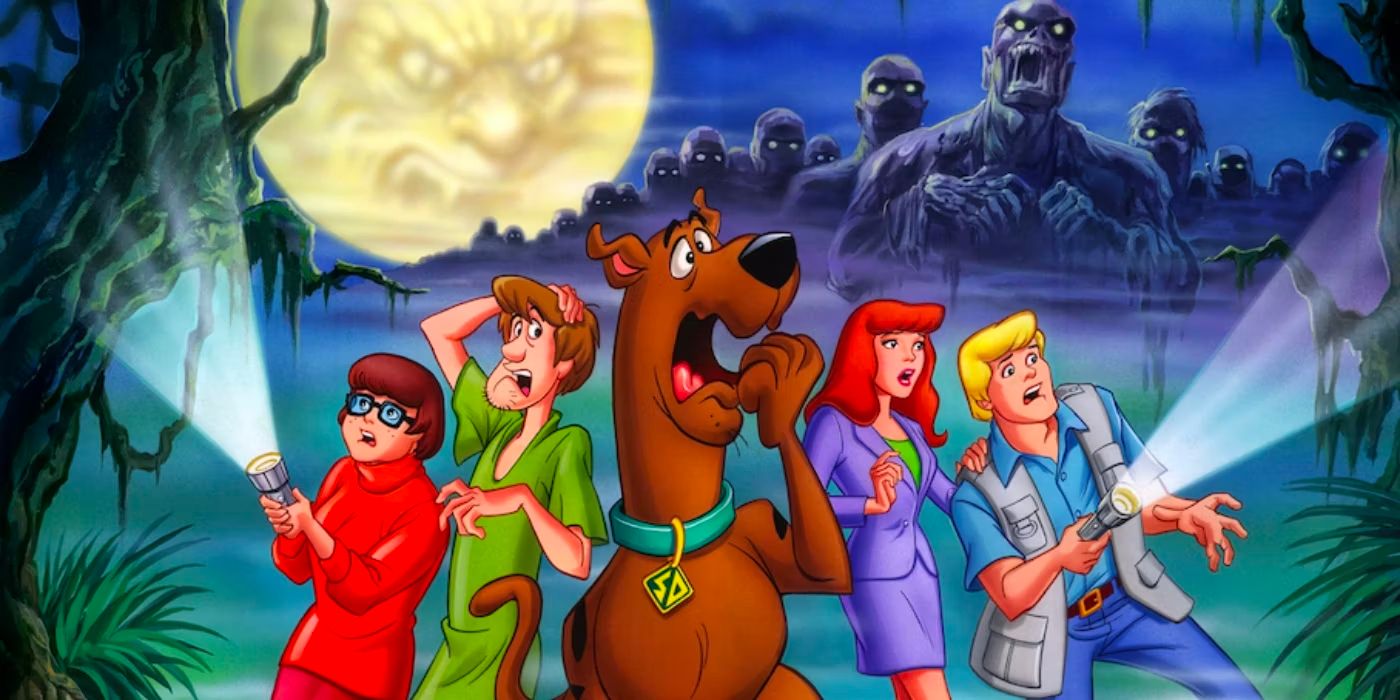
Honestly, the early 2000s were a fever dream for cinema. We had CGI that looked like melting plastic and fashion choices that still make me wince. But nothing quite captures that specific era of chaos like the Scooby Doo live action island—otherwise known as Spooky Island. You remember it. The neon lights, the weirdly aggressive vacationers, and that massive mechanical demon head rising out of the ocean. It was strange.
The movie, released in 2002, wasn't just a kids' flick. It was a cultural collision. You had James Gunn—yes, the Guardians of the Galaxy guy—writing a script that was originally meant to be an R-rated deconstruction of the cartoon. Then the studio got cold feet. They chopped it up, sanitized the weed jokes, and gave us the PG version. Yet, the DNA of that weirdness survived in the setting itself.
The Reality of Spooky Island
Most people assume the Scooby Doo live action island was just a bunch of green screens in a Burbank parking lot. Nope. The production actually headed to Queensland, Australia. Tangalooma Island Resort on Moreton Island served as the primary backdrop. It’s a beautiful spot, really. Clear water. Sand dunes. Kinda hard to imagine it being the site of a soul-stealing cult, but that’s the magic of Hollywood production design.
They built the sprawling, Gaudí-esque resort structures right there on the coast. Bill Boes, the production designer, went for this "tropical nightmare" aesthetic. It was supposed to look like a theme park that was trying too-hard to be fun, which perfectly mirrored the plot. The "Abandoned Castle" where the finale happens? That was a massive set built at Village Roadshow Studios. It wasn't just a backdrop; it was a physical space the actors had to sprint through.
Matthew Lillard basically became Shaggy. Like, physically. He screamed so much during the Spooky Island sequences that he actually damaged his vocal cords, which gave him that iconic raspy Shaggy voice we all know now. That's dedication to a character who spends half the movie eating oversized hoagies.
Why the Island Concept Actually Worked
The plot of the Scooby Doo live action island movie centers on Emile Mondavarious, played by the legendary Rowan Atkinson. He invites the Mystery Inc. gang—who have been broken up for two years—to his spring break resort because the tourists are "losing their souls." Literally.
It was a smart pivot from the "guy in a mask" trope. By putting them on an isolated island, Gunn and director Raja Gosnell forced the characters to deal with each other. No Mystery Machine to drive away in. Just them, a bunch of brainwashed college kids, and a very suspicious vat of "Protoplasm."
The Aesthetic of the Early 2000s
- The Colors: Everything was saturated. Oranges, purples, and lime greens.
- The Tech: Those chunky transparent monitors and weird gadgets felt like the future back then.
- The Music: Sugar Ray performing on a floating stage? It doesn't get more 2002 than that.
- The Creature Design: While the CGI Scooby has aged... poorly... the physical costumes for the "luna ghosts" and the dark creatures were actually pretty creepy.
The island functioned as its own character. It was designed to be disorienting. You had the bright, sunny beach scenes contrasted with the dark, industrial underground where the "Daemon Ritus" was kept. It’s that duality that keeps the movie in the "cult classic" conversation today. People aren't just nostalgic for the dog; they’re nostalgic for the vibe of that specific location.
What Most People Miss About the Production
There’s a lot of lore surrounding the filming of the Scooby Doo live action island. Because they were filming in Australia, the cast was basically stuck together, much like their characters. Sarah Michelle Gellar and Freddie Prinze Jr. were already a real-life couple, which added this weird, tense energy to the Fred and Daphne dynamic.
They also had to deal with the logistics of a CG lead.
Imagine being Linda Cardellini—who, let’s be real, was the best Velma we could have asked for—and having to act opposite a tennis ball on a stick for three months. It’s tough. But the chemistry worked. The island setting allowed for these "horror-lite" sequences that actually unsettled kids. The scene where the creatures snatch the vacationers from their hotel rooms? Genuinely spooky for a PG rating.
The budget was roughly $84 million. That’s a lot of money for 2002. A huge chunk of that went into the island sets and the Protoplasm effects. If you watch the movie now, the physical sets hold up way better than the digital ones. The texture of the castle walls, the weird tiki statues, the creepy voodoo motifs—it feels lived-in.
The Legacy of Spooky Island
The Scooby Doo live action island wasn't a critical darling. Critics hated it. They called it loud and silly. But it made over $275 million at the box office. Why? Because it captured the essence of the cartoon while putting it in a world that felt tangible.
We’ve seen other live-action attempts since. Scooby-Doo 2: Monsters Unleashed stayed in the city. The later TV movies were... well, they existed. But none of them captured that "vacation from hell" energy of the first one. It’s why you see people on TikTok still trying to find the filming locations in Australia. It’s why the "Spooky Island" aesthetic has become a shorthand for Y2K nostalgia.
Practical Insights for Fans and Travelers
If you’re looking to relive the Scooby Doo live action island experience, you can actually do it—minus the soul-stealing demons.
- Visit Moreton Island: Head to Tangalooma Island Resort. You’ll recognize the beach immediately. The sand is just as white, and the water is just as blue. You won't find the giant mechanical head, but you can feed wild dolphins.
- Check out Village Roadshow Studios: Located on the Gold Coast, this is where the interior sets lived. They often have tours or events.
- Watch the Deleted Scenes: If you want to see the darker version of the island that James Gunn originally intended, look for the deleted scenes on the Blu-ray. There's a much more "adult" tone to some of the interactions that explains why the island felt so edgy.
- The Fashion: Believe it or not, the "Daphne Core" and "Velma Core" aesthetics are peaking right now. The costume design on that island influenced a generation of alt-fashion.
The Scooby Doo live action island remains a weird, neon-soaked monument to a time when studios were willing to get weird with established IPs. It wasn't perfect. It was messy. It was loud. But it gave us a version of the Mystery Inc. gang that felt human, placed them in a location that felt dangerous, and somehow made us all want to go to a haunted spring break.
If you're planning a trip to Queensland, bring a green van. Skip the Protoplasm. Stick to the snorkeling. The real Spooky Island is a lot more relaxing than the movie made it look, but the ghost of that 2002 production still lingers in the dunes.
To get the most out of your nostalgia trip, track down the "Making Of" featurettes from the original DVD release. They show the massive scale of the Australian sets, including the construction of the "Spooky Island" pier and the mechanical rigs used for the creature attacks. Exploring the physical history of the film provides a much deeper appreciation for the craft that went into creating the Scooby Doo live action island beyond just the digital dog.