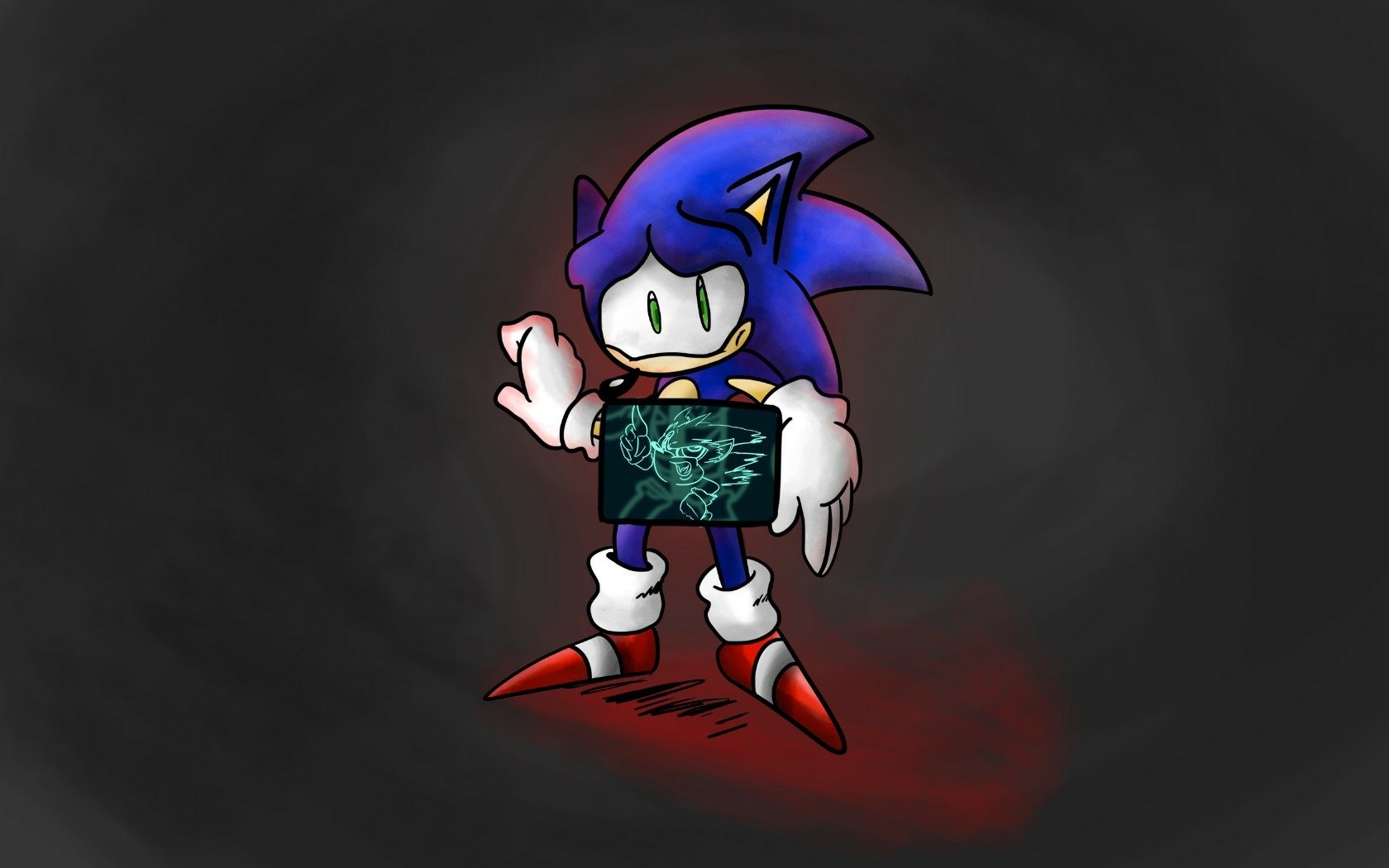
You remember the hype. If you were scouring YouTube or the Sonic Retro forums back in the late 2000s, you definitely saw it. Sonic the Hedgehog Project X wasn't just another fan project; it was the one that looked like it could actually rival Sega. It had the speed. It had the hand-drawn sprites that made the official 16-bit games look like rough drafts. It felt like the future of the franchise was being built in a bedroom, not a corporate office.
Then it just... stopped.
People still talk about it. Usually, when a fan game vanishes, it's because of a Cease and Desist (C&D) letter. We’ve seen it happen with AM2R and various Pokémon projects. But the story of Project X is a bit more nuanced than a simple legal shutdown. It’s a tale of ambition, technical hurdles, and the sheer weight of expectation that comes when a community decides your hobby is the "savior" of a global icon.
Why Sonic the Hedgehog Project X Caught Fire
The mid-2000s were a weird time for Sonic fans. We had Sonic '06, which was, let's be honest, a disaster. Sonic Unleashed was polarizing because of the Werehog. There was this massive hunger for a "return to form"—a high-fidelity 2D experience that didn't feel like a budget mobile port.
Enter Sonic the Hedgehog Project X.
The game was being developed primarily using Multimedia Fusion 2 (MMF2), a tool that many early indie devs used before Unity and Godot took over the world. What made Project X stand out was the art style. Most fan games at the time were "sprite hacks" or used ripped assets from Sonic Advance. Project X used custom, high-resolution sprites that looked incredibly fluid. When you saw Sonic run, the animation cycles had more frames than anything Sega had put out on the Genesis or Game Boy Advance. It looked "next-gen" before that term was even annoying.
The physics were also a huge deal. Getting Sonic's momentum right is notoriously difficult. If the gravity is too heavy, it feels sluggish. If it’s too light, you lose control. The developers of Project X seemed to have cracked the code of the 360-degree loops and slope physics that defined the original trilogy.
The Mystery of the Disappearance
So, where did it go? Honestly, it’s a mix of things.
First off, scope creep is a silent killer in the dev world. When you start getting thousands of comments telling you that your game is better than Sega's, you feel pressured to make it bigger. More levels. More playable characters. More cutscenes. For a small team—or often a single developer—that workload becomes a mountain.
There was also the technical limitation of the engine. MMF2 was powerful for its time, but it wasn't necessarily built to handle massive, high-res worlds with complex physics without some serious optimization. As the assets got prettier, the game got harder to run and harder to code.
- The lead developer, known in the community as Nocturne, eventually shifted focus.
- Rumors of a Sega crackdown circulated, but there’s never been a publicly verified C&D for this specific project like there was for Sonic Omens or others later on.
- The source code was never fully released to the public in a way that allowed others to finish it.
It's kinda sad. You see these bursts of brilliance, and then life just gets in the way. People go to college. They get jobs. They realize that spending 40 hours a week on a project they can’t legally sell might not be sustainable.
The Legacy of the Engine
Even though Sonic the Hedgehog Project X never reached a 1.0 release, it changed the fan game scene forever. It proved that fans didn't have to settle for "good enough" graphics. It raised the bar for every project that followed.
You can see its DNA in games like Sonic Mania. While Mania was a professional Sega release, the team behind it (Christian Whitehead and crew) came from the same community that birthed Project X. They shared that obsession with "pixel-perfect" physics and high-quality animation.
If you go looking for a download today, be careful. Because the game was so popular, there are dozens of "re-uploads" on sketchy sites that are actually just malware or broken builds from 2009. The most stable versions are usually found on archived threads of The Sonic Fangame Expo (SFX) or historical repositories. Just don't expect a finished game. You're looking at a museum piece—a glimpse into a "what if" scenario for the Blue Blur.
The Reality of Modern Fan Games
Today, the landscape is different. Sega is actually surprisingly cool with fan games, provided nobody is making money. This has led to a goldmine of content.
If you're looking for that Project X itch to be scratched, you should check out:
- Sonic Forever: A total overhaul of the original games.
- Sonic P-06: A fan-led remake that actually makes the 2006 game playable and fun.
- Sonic GT: High-speed 3D gameplay that feels like what the modern games should have been.
Project X might be "dead," but its spirit is basically the foundation of the modern Sonic community. It taught us that the fans often understand the character's momentum better than the corporate stakeholders do.
How to Explore the History of Project X Safely
If you’re determined to track down the history of this project, you need to be smart about it. Don't just click the first "Sonic Project X Download 2024" link you see on a random blog.
- Visit Sonic Retro: This is the Wikipedia of the Sonic fandom. Their wiki pages on fan projects are meticulously sourced and usually contain the most accurate timeline of who worked on what.
- Check the SFX Archives: The Sonic Fangame Expo has been running for years. Their historical vaults often have the original demos that were submitted back in the day.
- Use a Virtual Machine: If you do find an old .exe file of a fan game from fifteen years ago, run it in a sandboxed environment. Old software can be buggy on Windows 11, and you don't want to risk your primary rig for a ten-minute demo.
The story of Sonic the Hedgehog Project X is a reminder that in the world of independent development, passion is the fuel, but burnout is the wall. It remains one of the most beautiful "lost" pieces of gaming history, a digital ghost of what could have been the perfect Sonic game.
To truly understand the impact, you have to look at the "SAGE" (Sonic Amateur Games Expo) events that still happen every year. The quality we see there now—the incredible 3D engines and the hand-drawn 2D art—all of it stands on the shoulders of the developers who tried to build Project X in a much more limited era. It wasn't a failure; it was a proof of concept for an entire generation of developers.