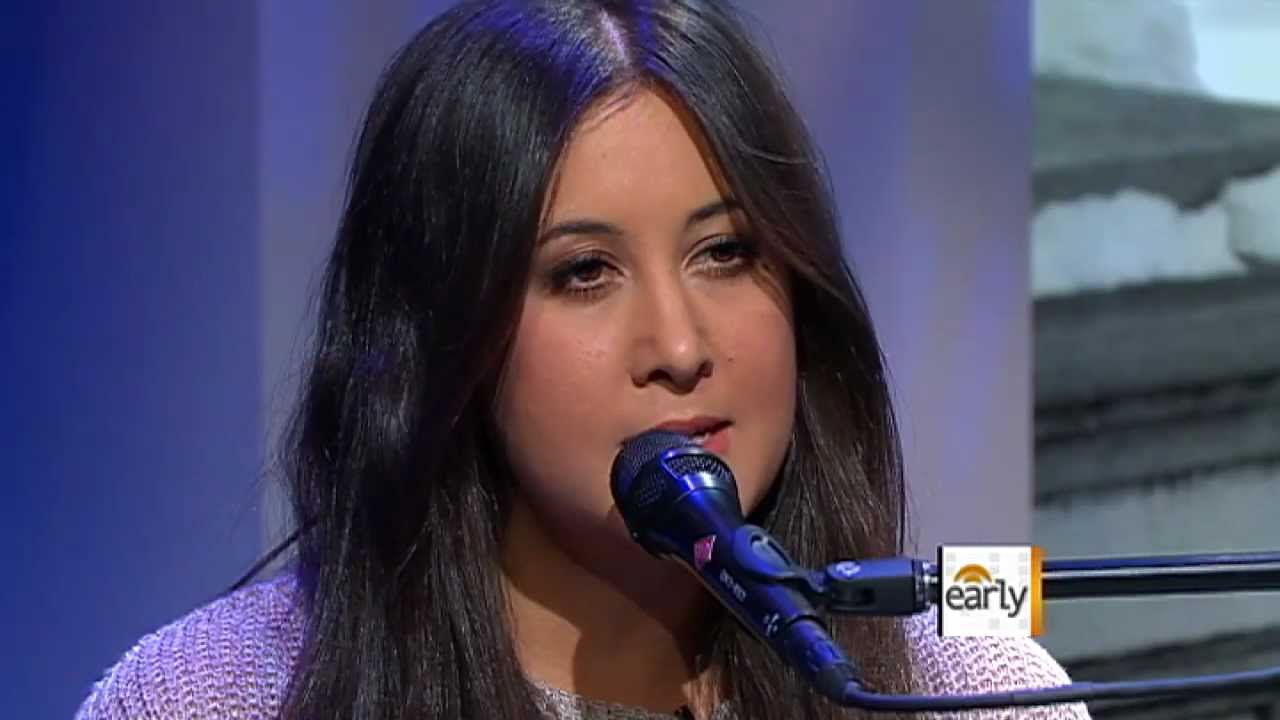
Honestly, most people think of a single image when they hear the name Vanessa Carlton: a girl in a white dress, sitting at a moving piano, gliding through the streets while playing that iconic, staccato riff. It’s the "A Thousand Miles" effect. That song is so massive, so culturally baked into our collective brains (thanks in no part to Terry Crews and White Chicks), that it sorta swallows everything else she’s ever done.
But if you stop there, you’re basically watching the first five minutes of a movie and leaving before the plot twist.
Vanessa Carlton’s career is actually one of the most interesting "pivot" stories in modern pop. She went from being the hand-picked darling of industry giants like Jimmy Iovine and Ron Fair to being a fiercely independent, Nashville-based artist who makes "sonic experiments" that sound nothing like the early 2000s. She didn't just fade away; she walked away from the "pop princess" machine to find a sound that actually felt like her.
The Monster Hit That Almost Didn't Happen
We have to talk about "A Thousand Miles" because, well, the math demands it. As of early 2026, the track has cruised past a billion streams on Spotify. It’s a juggernaut. But back in the late 90s, it was just a demo called "Interlude" that Vanessa wrote in her parents' house.
She was a teenage ballet dropout living in New York, waitressing, and playing bars. When the track finally got into the hands of Ron Fair at A&M Records, he knew it was a hit, but he didn't just release it. They spent 14 different recording sessions tweaking it. They brought in a 60-piece orchestra. They built a custom dolly for her piano so she could literally roll through Los Angeles for the music video.
It was a massive, expensive bet that paid off. The song spent 41 weeks on the Billboard Hot 100. It made her a household name overnight. But it also created a box. People expected every one of the songs by Vanessa Carlton to be a sunny, piano-pounding anthem about traveling long distances.
What happened after the "Miles" peaked?
The follow-up singles from her debut album Be Not Nobody were actually pretty strong. "Ordinary Day" and "Pretty Baby" did well, but they lived in the shadow of the lead single. You can hear her trying to figure out her identity in real-time on that record. There’s a cover of the Rolling Stones’ "Paint It Black" on there that’s surprisingly dark and aggressive, hinting that she wasn't just a "pretty girl at a piano" trope.
The Great Label Breakup and the Shift to Indie
By the time her second album Harmonium (2004) came out, the cracks were showing. The industry wanted another "A Thousand Miles." Vanessa wanted to work with Stephan Jenkins of Third Eye Blind and make something moodier. The lead single, "White Houses," is arguably her best-written song from that era, but it was controversial.
Some radio stations actually banned it because of a single line about losing virginity. It’s a weird bit of music history—a relatively tame coming-of-age song getting sidelined while much more explicit tracks were topping the charts. That frustration with the "machine" eventually led her to leave A&M.
She didn't stop, though. She just changed the rules.
The Nashville Era and the "Real" Vanessa
If you haven't listened to her music since 2010, you are in for a shock. When she released Rabbits on the Run (2011) and later Liberman (2015), she had completely ditched the glossy pop production. She moved to Nashville, married John McCauley of the indie-rock band Deer Tick, and started making what she calls "conceptual" music.
- "Hear the Bells": Haunting, echoey, and atmospheric. It sounds like something you’d hear in a dream, not on Top 40 radio.
- "Operator": A groovy, lo-fi track that feels more like 70s Stevie Nicks than 2000s teen pop.
- "Willows": This one is almost hypnotic. The piano is still there, but it’s used as a texture rather than just a hook.
She once told an interviewer that she sent the Liberman album out to labels without her name on it. She wanted people to judge the music without the "A Thousand Miles" baggage. That tells you everything you need to know about her headspace.
Why 2026 is a Big Year for Vanessa Fans
Right now, there’s a massive surge of interest in her work again. Part of it is the 2000s nostalgia cycle, but a lot of it is her brand-new music. In late 2025, she dropped a single called "Animal," which is the lead for her upcoming 2026 album, Veils.
"Animal" is... different. It’s stoic. It’s about the things we can’t control. The piano isn't doing the "galloping" thing anymore; it’s more of a rumbling, rhythmic foundation. Her voice is layered with this ethereal glaze that makes it float. It’s the sound of an artist who has zero interest in being a "one-hit wonder" and every interest in being a lifer.
Essential Listening Beyond the Hits
If you want to actually understand her discography, skip the "Best Of" playlists and try these instead:
- "Nolita Fairytale" (Heroes & Thieves): A literal goodbye to her old life in New York.
- "I Don't Want to Be a Bride" (Rabbits on the Run): Gritty, honest, and stripped down.
- "Future Pain" (Love Is an Art): This is basically art-rock. It’s got a triumphant instrumental coda that feels huge.
- "The Only Way to Love" (Love Is an Art): A reminder that she can still write a killer pop melody when she wants to—she just chooses when to do it now.
The Actionable Insight: How to Listen
If you’re going to dive into the world of songs by Vanessa Carlton, don’t start at the beginning. Start at the end and work your way back.
Listen to the new single "Animal" first. Then go to the Liberman album. Once you’ve heard the atmospheric, indie-folk version of Vanessa, go back and listen to Harmonium. You’ll start to hear the "real" her hiding under the pop polish of those early records.
She’s playing some rare shows this year, including Latitude Fest in the UK. If you get a chance to see her live, take it. She usually plays the old hits (she knows people want to hear them), but she reinvents them to fit her current vibe. It’s a masterclass in how to respect your past without being trapped by it.
The takeaway here? Don't let a catchy piano riff from 2002 trick you into thinking you know who Vanessa Carlton is. She’s way weirder, deeper, and more interesting than that.