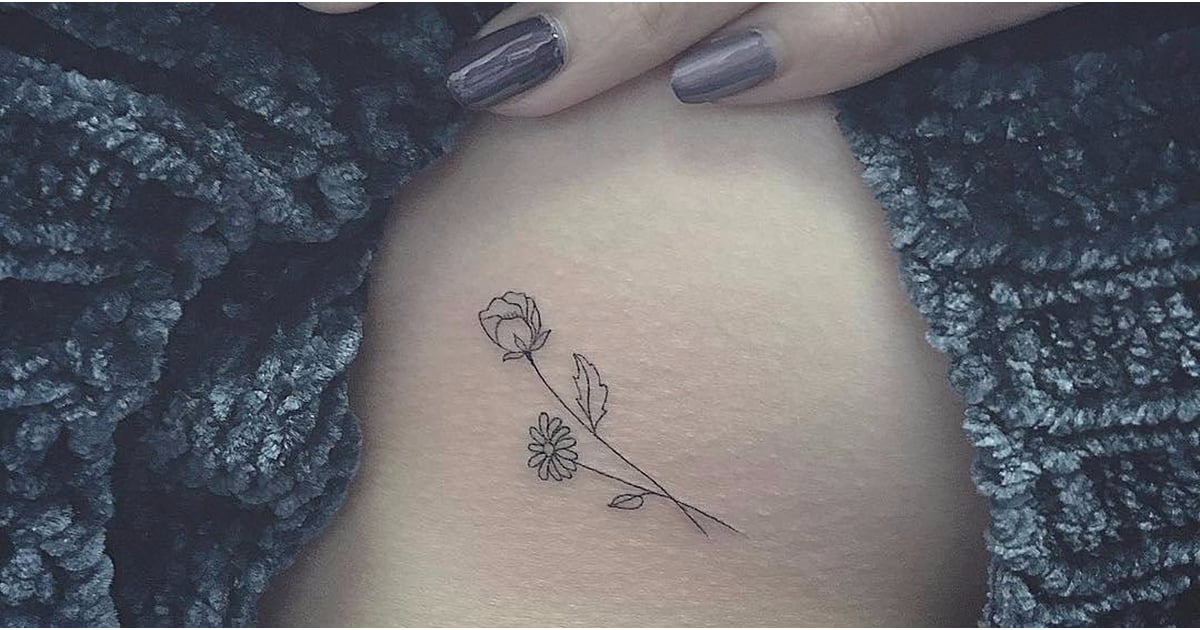
So, you’re thinking about getting a side boob tattoo. It's a vibe. Honestly, it’s one of those placements that looks effortlessly cool whether you’re at the beach or wearing a loose-cut tank top. But there is a massive gap between seeing a filtered photo on Pinterest and actually sitting in that chair while a needle vibrates against your ribs.
Placement is everything.
If you mess up the flow of the design, it can look awkward when you move your arms. The "side boob" isn't just one static spot; it's a dynamic area involving the lateral edge of the breast tissue, the rib cage, and the serratus anterior muscle. Because this skin is thinner and sits directly over bone and sensitive nerve endings, the experience is... intense. It’s not just a "pinch." It’s a deep, vibrating heat that radiates through your chest.
The anatomy of side boob tattoos and why it hurts so much
Let's get real about the pain scale. Most people rank the ribs and the side of the chest as an 8 or 9 out of 10. Why? It's biology. The skin here is protected by the arm most of the time, so it remains relatively thin and sensitive compared to your forearm or outer thigh.
You’ve got the intercostal nerves running right between your ribs. When the tattoo needle hits those areas, your brain doesn't just feel "skin pain"—it feels like your internal organs are being rattled. It's a bizarre sensation. Some people even report feeling the vibration in their teeth or their back.
Does the size of your chest matter?
Actually, yeah, it does. If you have a larger bust, the weight of the breast tissue can pull on the skin where the tattoo is placed. This means the artist has to be incredibly skilled at "stretching" the skin to get a clean line. If they don't account for how gravity affects your body when you’re standing versus lying down, that perfect circle you wanted might look like an oval the second you put a bra on.
Smaller chests often have less "padding" over the ribs. This makes the needle-on-bone sensation much more pronounced. There’s really no winning here; it’s just a different kind of discomfort for everyone.
Choosing a design that doesn't look "off"
You see a lot of fine-line florals. Why? Because organic shapes—like vines, waves, or cursive script—flow with the natural curves of the body. Rigid geometric shapes are a nightmare for side boob tattoos. Your rib cage isn't a flat canvas. It’s a cylinder. If you try to put a perfectly straight box there, it’s going to warp every time you take a breath.
Think about movement.
I’ve seen stunning botanical pieces that start under the armpit and trail down toward the hip. They look like they grew there. On the flip side, I've seen "Pinterest fails" where a quote was placed too high, and now half the words are permanently tucked into the armpit crease. Not cute. You want to avoid the "friction zone"—that area where your arm rubs against your body. Constant friction during the healing process leads to "fallout," where the ink literally disappears or blurs because the skin couldn't knit back together properly.
Real talk on script and lettering
If you're going for words, keep them small but legible. Fine line is trendy, but ink spreads over time. It's called "blowout." Because the skin on the side of the breast is so thin, it’s very easy for an inexperienced artist to go a fraction of a millimeter too deep. If that happens, the ink hits the fatty layer and spreads out like a wet napkin.
- Choose a font with some "breathing room."
- Avoid teeny-tiny letters that look like a smudge in five years.
- Work with the curve of your ribs, not against them.
The logistics of the "Side Boob" session
You’re going to be exposed. There’s no way around it. A professional shop will offer you pasties or a "modesty drape," but you need to be comfortable with the artist being very close to your personal space. If a shop doesn't offer a private screen or a way to cover up, leave. Seriously.
Preparation is key. Wear a button-down shirt or a very loose zip-up hoodie. You cannot wear a bra home. Let me repeat: Do not wear a bra home. The elastic will cheese-grater your fresh tattoo. It’s painful, it’s messy, and it’ll ruin the art. Bring some loose pasties or just go braless under a baggy shirt for at least 48 to 72 hours.
The "Bra Problem" and healing
Healing a side boob tattoo is a logistical puzzle. For the first week, any friction is the enemy. This means:
- No underwire bras.
- No tight sports bras (the compression is bad for the ink).
- No sleeping on your side.
If you’re a side sleeper, prepare to be miserable for a few nights. You’ll need to prop yourself up with pillows to stay on your back. If you roll over onto a fresh rib tattoo, you’ll likely wake up stuck to your sheets. If that happens, do not pull! Take the sheet with you to the shower and run lukewarm water over it until the fabric peels away naturally.
Long-term maintenance and aging
We need to talk about aging because bodies change. Pregnancy, weight fluctuations, and just plain old gravity will affect a side boob tattoo more than almost any other spot.
If you lose or gain a significant amount of weight, the skin in this area stretches and shrinks quite a bit. A tattoo placed right on the breast tissue will migrate. A tattoo placed strictly on the rib cage (the "true" side boob) tends to hold its shape much better over the decades.
Sun exposure is also a silent killer. Even if you think that area is always covered, UV rays penetrate thin t-shirts and swimwear. If you’re at the beach, you have to be obsessive about sunscreen. Use a stick formula for easy application around the edges of your suit.
How to find the right artist
Don't just go to the guy who did your buddy's forearm piece. Ribs and side-chest work require a specific touch. You want someone who has a portfolio full of healed rib shots. "Fresh" photos are deceptive because the skin is swollen and the colors are vibrant. You want to see how their lines look after six months.
Ask about their experience with "stretch." As I mentioned, the skin here is bouncy. An artist who doesn't know how to pull the skin taut while tattooing will end up with shaky, "chewed-up" lines.
Questions to ask during the consult:
- How do you handle placement for different body types?
- Do you use Saniderm or traditional cling wrap for this area? (Saniderm is often better for ribs because it stays put, but it can be tricky with the curves).
- Can we do a "standing stencil check" to see how the design moves?
Actionable steps for your appointment
If you're dead set on getting this done, here is your roadmap for a successful session and a tattoo that actually heals well.
First, hydrate like your life depends on it for three days leading up to the appointment. Well-hydrated skin takes ink significantly better than dry, flaky skin. It also helps with the pain. On the day of, eat a massive meal. Your blood sugar will drop during the session because of the adrenaline and pain; you don't want to pass out.
Second, buy your aftercare in advance. You'll need a fragrance-free, gentle soap (like Dial Gold or Dr. Bronner’s Baby Mild) and a light, breathable ointment or lotion (like Aquaphor or Lubriderm). Avoid heavy petroleum products that "suffocate" the tattoo.
Third, plan your wardrobe for the week. Clear your schedule of heavy gym sessions. Sweating into a fresh side boob tattoo is a recipe for a staph infection. The salt in your sweat will also sting like crazy. Give it at least five days before you hit the gym, and even then, avoid any exercises that involve a lot of torso twisting or arm swinging.
Finally, listen to your artist, not TikTok. Everyone has a "hack" for tattoo healing these days. Most of them are garbage. If your artist tells you to keep it covered for three hours, do that. If they say five days, do that. They know how their specific ink and needle depth react with the skin.
A side boob tattoo is a commitment. It’s a painful rite of passage that yields some of the most beautiful, intimate results in body art. Just make sure you're doing it for the right reasons and that you’re prepared for the reality of the chair.