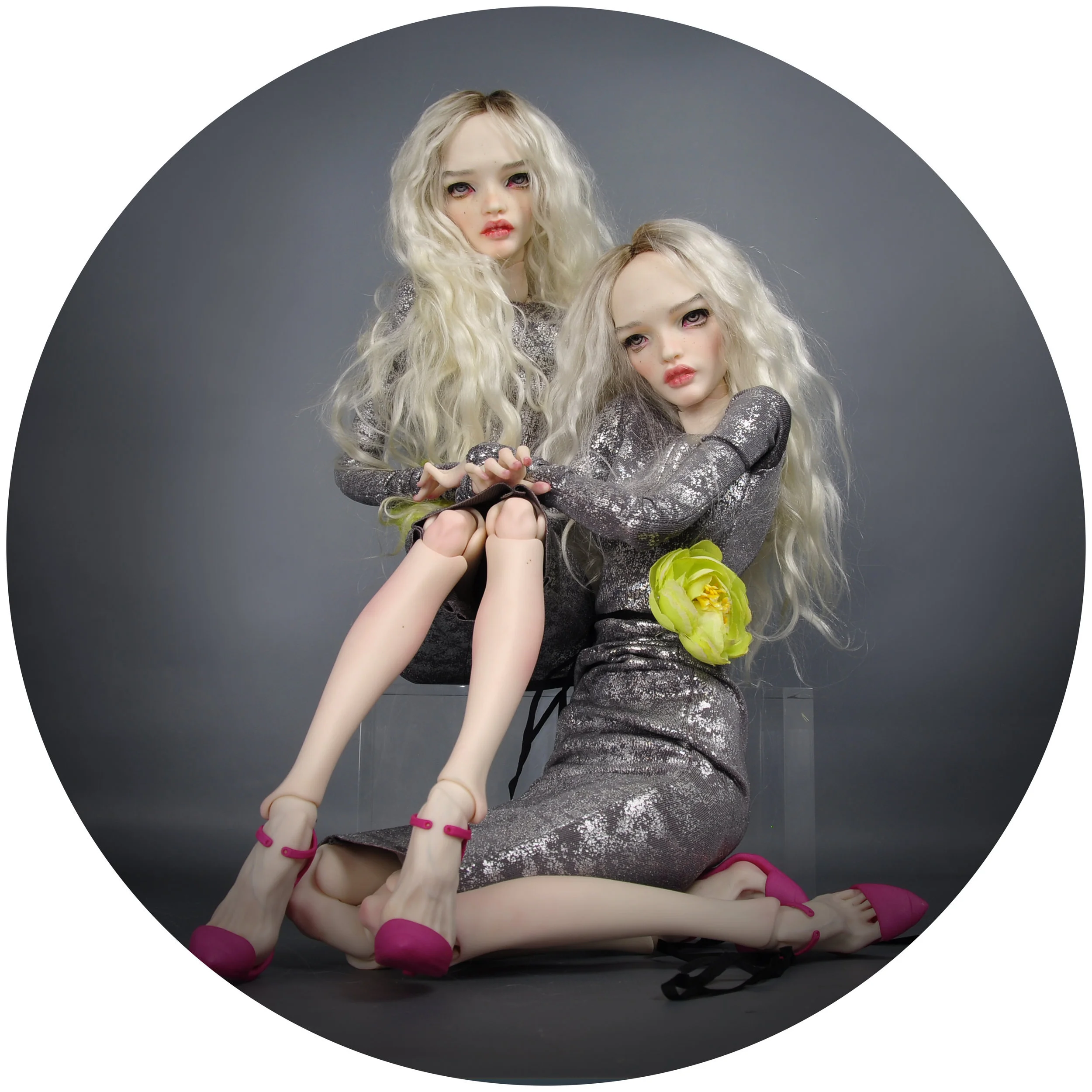
You’ve probably seen them. If you spend any time on TikTok, Instagram, or YouTube Shorts, the faces of Sasha and Pasha have likely flickered across your screen more than once. They are part of that strange, hyper-speed world of digital fame where someone can go from a regular teenager to a global brand in the span of a few viral uploads. But who actually are they? Honestly, the internet is full of "clones" and "twin influencers," but Sasha and Pasha—specifically the duo often associated with the "Sasha Pasha" branding—represent a very specific niche of the creator economy.
They aren't just kids messing around with filters anymore.
The Rise of Sasha and Pasha in the Creator Economy
The digital landscape moves fast. Really fast. One day a sound bite is trending, and the next, it’s ancient history. Sasha and Pasha managed to catch a wave that most creators miss. They leveraged the inherent "watchability" of twins—something psychologists have studied for decades—to build a massive following. People are naturally fascinated by twins. There’s a built-in narrative of symmetry, rivalry, and secret languages that audiences eat up.
Most people don't realize that being a "twinfluencer" is basically a full-time job. It’s not just about looking alike. It’s about the choreography. It’s about the timing. If you watch their content closely, you’ll see the micro-adjustments in their movements. It’s practiced. It’s polished. Even when it looks "random," it rarely is. This is the reality of modern entertainment.
Why We Are Obsessed With Twins Like Sasha and Pasha
Why do we care?
It’s a fair question. According to research on social perception, humans find bilateral symmetry—like identical twins—visually pleasing. It’s why Wes Anderson movies look the way they do. When you translate that to social media, it becomes a "scroll-stopper." You’re moving through a feed of messy rooms and shaky cameras, and suddenly, two identical faces are performing a perfectly synchronized dance or prank. Your brain pauses. That pause is worth millions in the attention economy.
Sasha and Pasha (often identified in the broader Russian-speaking or Eastern European creator circles) tapped into a global audience. They didn't need to speak English to be understood. Physical comedy, dancing, and visual stunts are the universal languages of the 2020s.
What People Get Wrong About Viral Twins
A lot of people think it's easy. "Oh, they just look the same and dance."
Nope. Not even close.
The logistics of maintaining a brand as a duo are a nightmare. If one twin gets a haircut, the "look" is ruined. If one wants to go on vacation and the other wants to film, the business halts. Sasha and Pasha have had to navigate the transition from "cute kids" to "professional creators." That’s where most twin acts fail. They grow up, they develop different personalities, and the audience gets confused.
The secret to their longevity—and the longevity of similar creators like the Dobre Brothers or the Stokes Twins—is the "Unit." They aren't two people. They are one brand. Everything from their clothing choices to their public appearances is curated to maintain that mirror-image illusion. It’s exhausting. Imagine never being allowed to have a bad hair day because your brother has a good one.
The Algorithm and the Identity Crisis
Social media algorithms are ruthless. They categorize you quickly. If Sasha and Pasha post a video that doesn't feature both of them, the reach often tanks. This creates a weird psychological pressure. You are essentially tethered to another human being for your livelihood.
- Content creation becomes a 24/7 cycle.
- The pressure to "out-viral" the last post leads to increasingly risky or elaborate stunts.
- Burnout is a very real threat when your identity is tied to your sibling.
Interestingly, many of these creators eventually try to branch out. They start solo channels. They try acting or music. But the "Sasha and Pasha" brand is always the gravity that pulls them back. It’s where the money is. It’s what the fans want.
The Business Behind the Faces
Let’s talk money. Because at the end of the day, this is a business.
Top-tier twin creators aren't just making "ad sense" from YouTube. They are walking billboards. When a brand like Nike or a tech company wants to market to Gen Z, they look for "safe" but "trendy" faces. Sasha and Pasha fit that mold perfectly. They are energetic, they are clean-cut (mostly), and they have a massive, loyal demographic.
The revenue streams usually look like this:
- Brand deals and sponsorships (the big money).
- Platform creator funds (TikTok/YouTube).
- Merchandise (hoodies with "Sasha Pasha" logos).
- Appearing at conventions or events.
It’s a lucrative path, but it’s precarious. One "canceled" moment for one twin ruins the career of the other. It’s a shared liability.
Navigating the Future of Social Media Fame
What happens when Sasha and Pasha get older? This is the question every child or teen star faces. The "cute" factor has an expiration date. To survive, they have to pivot. We’ve seen this with the older generation of YouTubers. Some become serious entrepreneurs. Others fade into obscurity.
Sasha and Pasha seem to be leaning into the "lifestyle" angle. It’s less about the "twin" gimmick and more about their lives, their interests, and their personalities. This is a smart move. You can only do so many "which twin is which" challenges before the audience gets bored. You have to give them a reason to care about Sasha as an individual and Pasha as an individual.
Actionable Insights for Aspiring Creators
If you’re looking at Sasha and Pasha and thinking, "I want to do that," here is the reality check you need. It’s not about the camera you use. It’s about the hook.
Consistency over everything. Sasha and Pasha didn't get 10 million followers overnight. It was thousands of videos. Some did well, most didn't. You have to be okay with yelling into the void for a long time.
Understand your "Unique Selling Proposition." For them, it was being twins. For you, it might be a specific skill or a weird hobby. But you need a hook.
Diversify your platforms. Never trust one app. If TikTok gets banned or YouTube changes its algorithm, you’re toast. Build a newsletter, an Instagram, a Discord. Own your audience.
Protect your mental health. Being a public figure—especially with a sibling—is a pressure cooker. Set boundaries early.
The story of Sasha and Pasha isn't just about two kids who got lucky. It’s a case study in modern branding, the power of visual symmetry, and the relentless grind of the attention economy. Whether you love their content or find it annoying, you can't deny the impact. They’ve managed to turn "looking alike" into a global enterprise. That’s not luck. That’s a strategy.
To really understand the current state of digital fame, watch how these two evolve over the next two years. Their ability to adapt to a post-short-form-video world will determine if they become icons or just another "remember them?" moment in internet history. Check their latest uploads not for the stunts, but for how they are talking to their audience—that’s where the real business lesson is hidden.