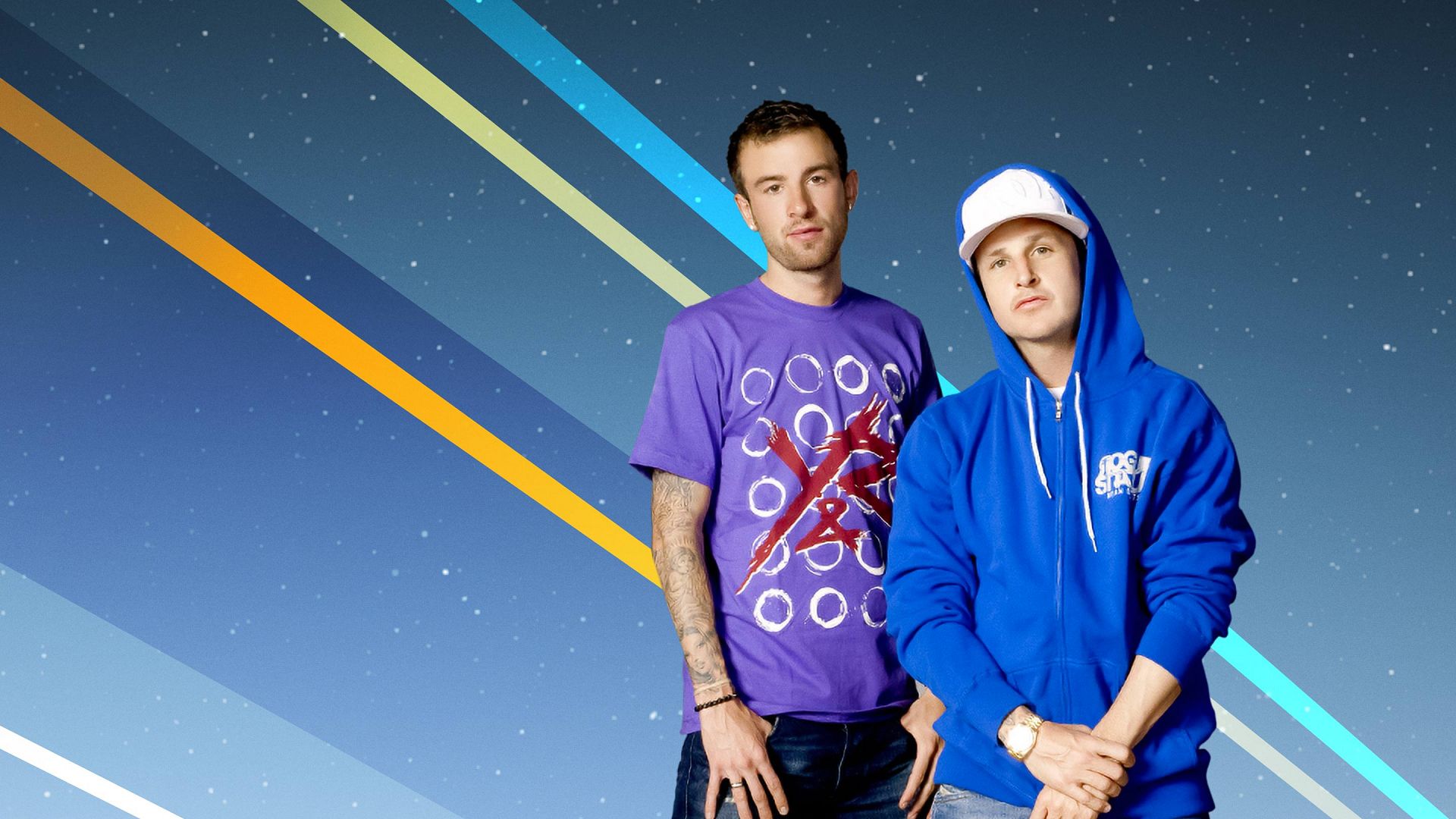
You remember the scene. It’s 2009. A 25,000-square-foot warehouse in Los Angeles is filled with foam pits, tennis ball cannons, and a very stressed-out kid from Ohio named Chris "Drama" Pfaff. At the center of it all is Rob Dyrdek, a man who essentially turned "having fun" into a billion-dollar blueprint. For nearly a decade, Rob Dyrdek and Drama were the heartbeat of MTV. They weren't just cousins; they were the ultimate comedic foil.
But then, the cameras stopped rolling at the Fantasy Factory. The matching outfits disappeared. The constant banter on Ridiculousness faded. People started asking: did they fall out? Did the business side of "Young & Reckless" create a rift that a foam pit couldn't fix?
The truth is actually way more interesting than some fake Hollywood feud.
The Reality of Rob Dyrdek and Drama’s "Falling Out"
People love a good bridge-burning story. When Drama stopped appearing as a regular fixture on Rob’s later projects, the internet did what it does best—it assumed the worst. Rumors swirled that Rob’s obsessive "systematization" of his life (the Dyrdek Machine) didn't have room for the old crew.
Honestly? That’s mostly fan fiction.
The "drama" between Rob Dyrdek and Drama wasn't a shouting match or a legal battle. It was the natural, sometimes awkward evolution of a mentor and a protégé. Drama moved to LA at 18 to be Rob’s assistant. He spent his 20s being the butt of the joke for our entertainment. But you can only be the "annoying little cousin" on TV for so long before you want to be the boss of your own empire.
Drama’s brand, Young & Reckless, exploded. We’re talking about a streetwear line that hit $30 million in revenue while he was still filming Fantasy Factory. You can’t run a global apparel brand and still be someone's assistant, even if that someone is a professional skateboarder with a penchant for world records.
Moving From Assistant to Entrepreneur
Rob Dyrdek is a "time-mastery" extremist. In 2026, he’s still talking about optimizing every second of his day. Drama, on the other hand, found his own rhythm.
- The Pivot: Drama shifted his focus to the Short Story Long podcast and building out his venture capital interests.
- The Brand: Young & Reckless became a standalone beast, moving away from the "as seen on MTV" marketing.
- The Relationship: They still talk. They’re still family. But they don't work together.
It's kinda like when you graduate college. You love your roommates, but you don't want to live in a dorm when you're 35. Rob helped Drama build the platform, and Drama was smart enough to jump off it and land on his own two feet.
Why the Fans Miss the Dynamic
There was a specific magic in those early MTV years. Rob was the chaotic energy, and Drama was the voice of reason—or more often, the victim of the chaos. Whether it was Rob making Drama get a "man dime" makeover or the legendary beef with the Hells Angels over a logo (which they settled out of court in 2013), the chemistry was authentic.
You can't fake that.
The reason people still search for Rob Dyrdek and Drama today is that they represented a specific era of "hustle culture" before it got all corporate and gross. It was just two guys from Ohio trying to figure out how to be rich without growing up.
The Ridiculousness Factor
By the time Ridiculousness reached its peak—and eventual conclusion after a staggering 46 seasons—the cast had shifted. Steelo Brim and Chanel West Coast became the primary faces alongside Rob.
Drama’s absence was felt, but it was a conscious choice. He’s gone on record saying that being on reality TV is exhausting. It puts you in a box. If you’re "Drama" on TV, people don't take you seriously in a boardroom. He had to kill the character to save the businessman.
What Rob Dyrdek and Drama Are Doing Now (2026 Update)
Rob is currently living in what he calls "the automated phase" of his life. After Ridiculousness finally wrapped production, he doubled down on the Dyrdek Machine, his venture studio. He’s obsessed with the "rhythm of existence"—tracking his sleep, his diet, and his business outputs with surgical precision.
Drama is equally busy but in a quieter way. He’s become a respected voice in the entrepreneurial space. His podcast isn't about stunts; it's about the "long game." He’s interviewed everyone from Gary Vaynerchuk to high-level tech founders.
They are two parallel success stories.
- Rob Dyrdek: The visionary who builds systems to scale joy and wealth.
- Chris "Drama" Pfaff: The observant student who turned a "sidekick" role into a legitimate legacy.
Actionable Insights from the Dyrdek-Pfaff Legacy
If you’re looking at Rob Dyrdek and Drama and wondering how to apply their trajectory to your own life, here’s the "reckless" truth.
Leverage your proximity. Drama didn't just sit around and wait for Rob to give him money. He watched how Rob negotiated deals. He watched how the cameras worked. He used the platform as a school, not just a paycheck. If you’re working for someone successful, stop looking at your phone and start looking at their process.
Know when to exit. The hardest thing Drama ever did was stop being "the guy on the show." He could have stayed in the shadow of the Fantasy Factory forever. Instead, he branched out when the brand was hot. If you stay in a "junior" role too long, the world will never see you as a "senior."
Maintain the bridge, even if you don't cross it. Despite the rumors, there was no massive legal war between them. They stayed family. In business, your reputation is your currency. Leaving on good terms with a giant like Rob Dyrdek is the reason Drama still has doors open to him today.
Ultimately, the story of Rob Dyrdek and Drama isn't one of a tragic breakup. It’s a case study on how to grow up without losing the spark that started the fire in the first place. They’re doing fine. Better than fine, actually. They’re exactly where they planned to be back in that 2009 warehouse—bosses of their own worlds.
To see where they're heading next, you can follow Rob's venture updates through the Dyrdek Machine website or catch Drama's latest deep-dive interviews on the Short Story Long feed. Both offer a much more mature look at the hustle than a "cannonball into a pile of stuffed animals" ever could.