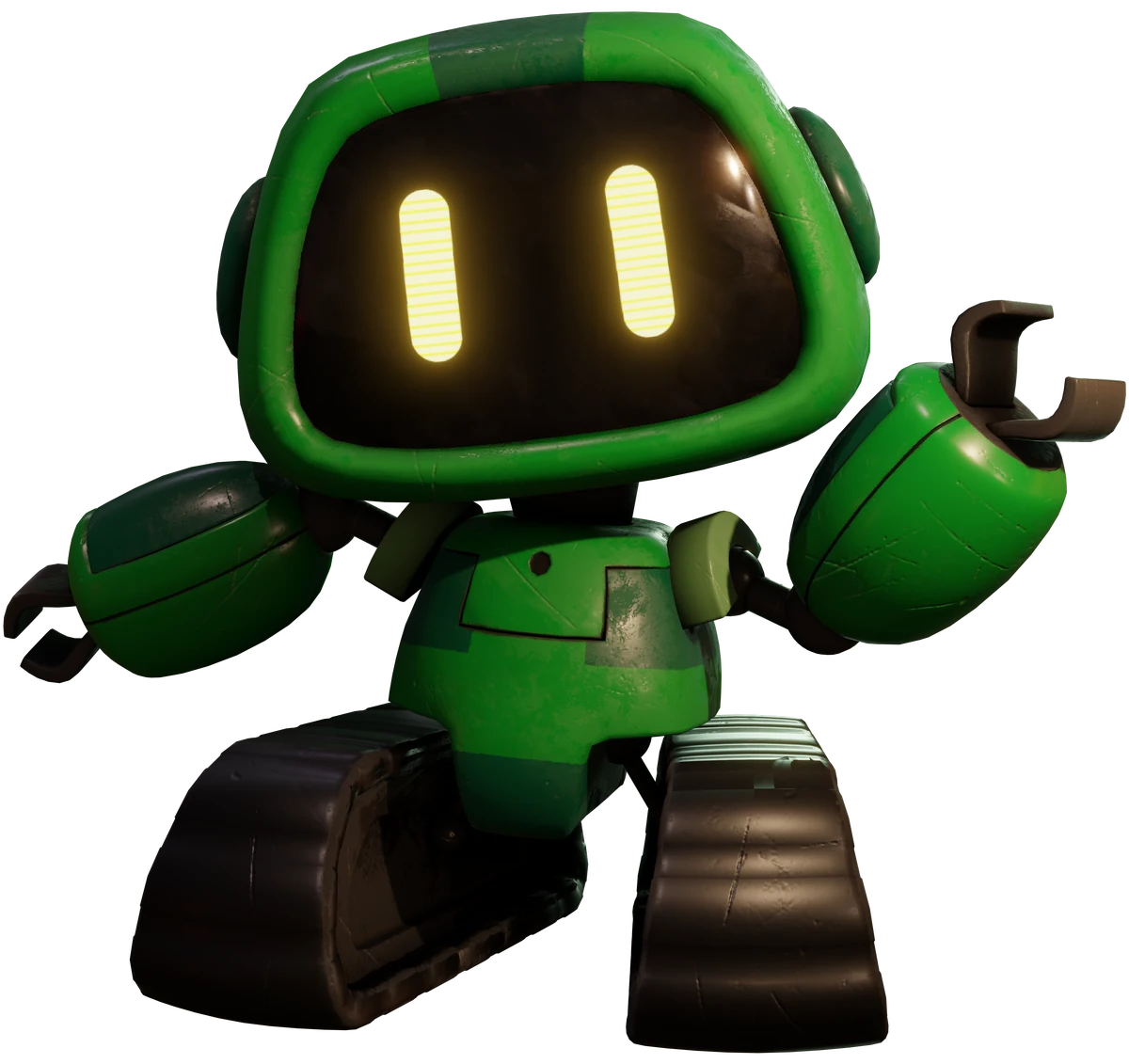
Ever looked at a picture of Huggy Wuggy and felt that weird, specific prickle on the back of your neck? That's not just a coincidence. Mob Entertainment has basically mastered the art of "uncanny valley" toy design. When you're hunting for poppy playtime characters pictures, you aren't just looking for a desktop background. You’re looking for those tiny, grimy details that tell the story of a toy factory gone to hell.
Honestly, the difference between fan-made renders and the official character art is night and day. Fans do incredible work. But the official assets? They have this specific layer of dust, matted fur, and "life-like" grime that makes the monsters feel like they’re actually sitting in a damp basement in Michigan.
Why Official Poppy Playtime Characters Pictures Matter for Lore
Most people just glance at a character's face. If you're deep into the lore, though, you know the pictures are where the secrets hide. Take the Chapter 4 reveals of Yarnaby or Doey the Doughman. If you look closely at the high-res renders, you can see the stitching patterns that mimic the "Bigger Bodies Initiative" surgical scars.
The images aren't just marketing. They’re evidence.
When Chapter 3 dropped, the pictures of CatNap weren't just about showing a purple cat. They showed the skeletal structure underneath the fur. It confirmed that these aren't just "evil toys." They are biological nightmares. If you’re trying to piece together the timeline of what happened during the Hour of Joy, you have to look at the character portraits.
Notice how the eyes change? In the vintage 1950s-style posters, the characters have flat, painted eyes. In the "present day" pictures found in the game files, those eyes have pupils. They have veins. It's subtle, but it's everything.
The Evolution of the Playtime Co. Roster
It's wild to see how much the design language has shifted since 2021. Back in Chapter 1, we just had Huggy. He was a blue tube with teeth. Simple. Effective. Fast forward to 2026, and the designs for Chapter 5 are leaning into full-blown body horror.
The Classics (Chapters 1 & 2)
- Huggy Wuggy: The blueprint. Blue, fuzzy, and way too tall. The official pictures of him usually highlight his "velcro" hands, which was a real toy trend in the 80s.
- Mommy Long Legs: Her design is all about elastic plastic. In her official art, you can see the sheen on her pink skin that makes her look like a Stretch Armstrong gone wrong.
- Bunzo Bunny & PJ Pug-a-Pillar: These were the "game" mascots. Their pictures usually feature bright, primary colors that clash horribly with the bloodstains on the floor.
The New Blood (Chapters 3, 4, & 5)
By the time we hit the Smiling Critters, the art style got way more experimental. DogDay and CatNap didn't just look like toys; they looked like religious icons for a cult. The poppy playtime characters pictures from this era are much darker. The lighting is harsher.
Then we got into the "Humanoid" era with characters like Miss Delight and The Doctor (Dr. Harley Sawyer). This is where the community really started losing it. The Doctor’s design—a mess of wires and terminals where a human head should be—is a far cry from a plushie.
Where to Find High-Quality Images Without the Junk
Let's be real: Google Images is a minefield of "clickbait" thumbnails and weird fan edits that look like they were made in MS Paint. If you actually want the high-fidelity stuff for fan art or theories, you have to go to the source.
- The Official Discord: Mob Entertainment developers often drop "teasers" here that never make it to the main website.
- Steam Community Hub: This is the goldmine for 4K screenshots.
- The "Concept Art" Books: If you can get your hands on the digital art packs, you’ll see the "Bigger Bodies" blueprints. These are the most detailed pictures of the characters in existence.
The official store also has high-res posters. But if you're looking for the "scary" stuff, the game's internal textures are where the real horror lives.
What People Get Wrong About the Prototype
There’s a huge misconception that we have a "full picture" of Experiment 1006. We don't. Every image you see of the Prototype is a fragment. A claw here. A ribcage there.
Mob is intentionally gatekeeping the full character design. Why? Because the moment we see a clear, well-lit picture of the Prototype, the mystery dies. The fear in Poppy Playtime comes from what's not in the frame.
Actionable Tips for Using Character Pictures
If you’re a creator or a theorist, don't just "copy-paste."
- Check the lighting: Official art uses "Rembrandt lighting" (high contrast) to hide the seams of the character models. If you're making fan art, mimic this to get that "official" feel.
- Look for the "Stamp": Authentic Playtime Co. assets usually have a year stamp (like "Est. 1950" or "1984").
- In-Game vs. Marketing: The "Pictures" on the posters in the game are often 2D drawings, while the "Monsters" are 3D models. Use the 2D drawings for history-based theories and the 3D models for "biology" theories.
Right now, everyone is buzzing about the Chapter 5 "Puppetmaster" teaser. The best way to stay ahead is to watch the official Mob Entertainment "Community" tab on YouTube. They tend to drop one high-res character portrait about three weeks before a major trailer. Grab those early, zoom in on the textures, and you’ll usually find a hidden date or a name scratched into the background.
Stop settling for blurry screenshots. Go for the raw assets if you want to see what's actually lurking in the shadows of Playtime Co.