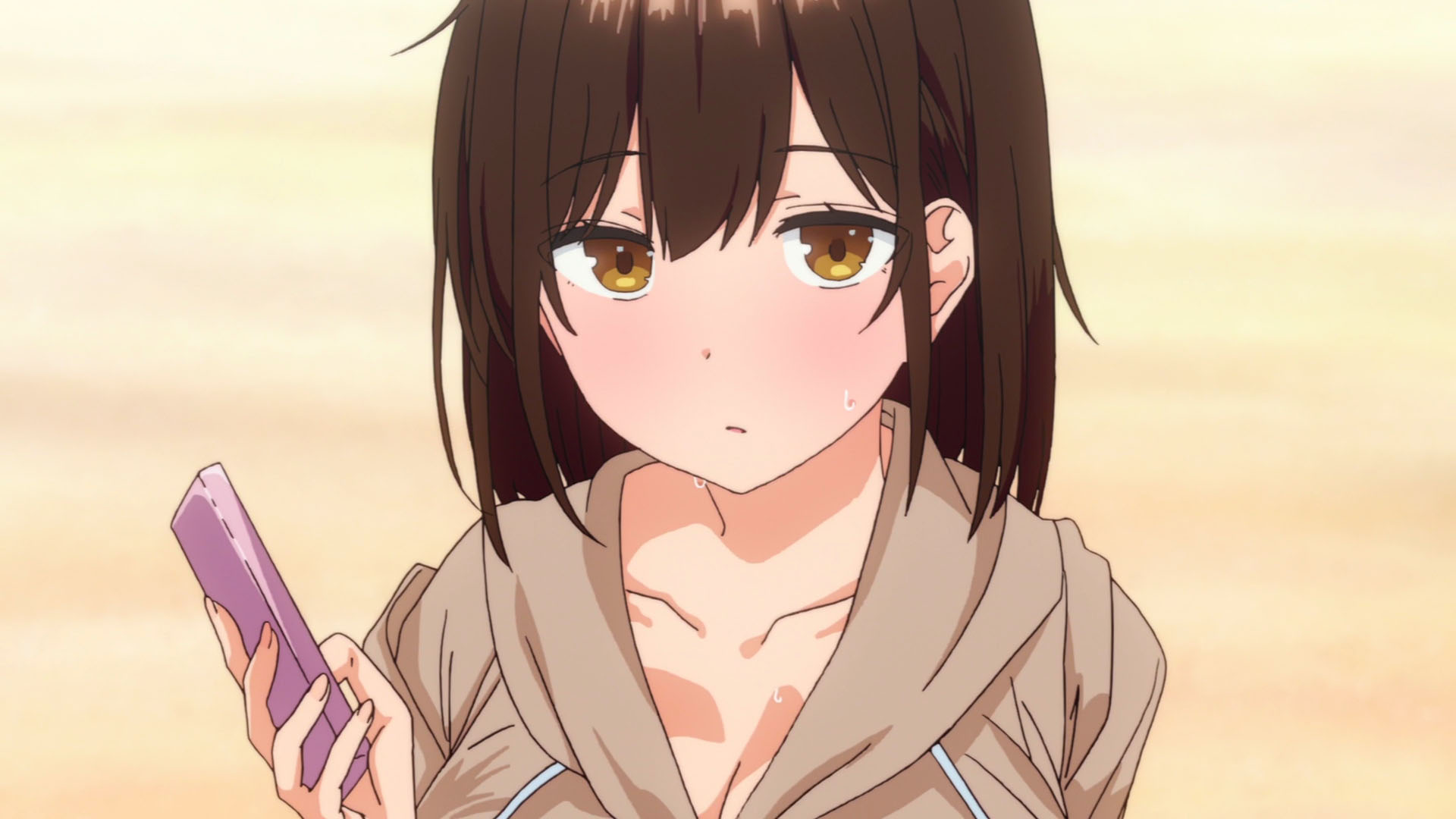
You've probably seen it pop up in a comment section, a Discord server, or maybe you were just scrolling through a manga forum when it hit you. Onii-san ohitori desu ka. It sounds polite, right? If you know even a smidge of Japanese, you know it translates roughly to "Big brother, are you alone?" or "Sir, are you by yourself?" But in the world of internet subcultures, anime tropes, and the specific "urban" flavor of Japanese nightlife, those five words carry a massive amount of weight. It’s not just a question. It’s a vibe. It's a meme. Honestly, it’s a whole specific trope that has carved out its own niche in the global Otaku consciousness.
Most people stumble upon this phrase through the lens of anime or manga, where a young woman—often appearing a bit mischievous or perhaps working as a "tout"—approaches a male protagonist. But the reality of where this comes from and why it remains a persistent search term in 2026 is actually a bit more layered than just a cute girl asking a question.
The Cultural Roots of the Phrase
Let’s get the literal stuff out of the way first. In Japan, "Onii-san" (お兄さん) technically means older brother, but it’s used constantly as a friendly, informal way to address a young man whose name you don't know. Think of it like "hey man" or "buddy," but with a slightly more respectful (or sometimes mock-respectful) edge. The second part, "ohitori desu ka" (お一人ですか), is the standard polite way a host or server asks if you are a party of one.
When you combine them, you get the classic "Onii-san, ohitori desu ka?"
Historically, you’d hear this most often in places like Kabukicho or Akihabara. If you’re a guy walking alone in these districts, you are the prime target for touts—people trying to get you into a bar, a maid cafe, or a "snack" club. They want to know if you're alone because a solo customer is easier to convince than a group of three guys who are already busy talking to each other. Over time, this specific interaction became a staple of "nightlife" storytelling in Japanese media. It represents that moment of being "scouted" or approached by the unknown.
Why it blew up in the West
It didn’t stay on the streets of Tokyo. The phrase migrated into the world of doujinshi, light novels, and eventually mainstream anime. It became a shorthand for a specific kind of encounter: the "Gyaru" or the "imouto-type" character initiating a conversation with a lonely protagonist.
You see, the internet loves a specific kind of "comfort" trope. For many fans, the idea of being noticed while being alone is a core fantasy of the slice-of-life genre. When someone asks if you're by yourself, it’s an invitation into a story. This is why you’ll see the phrase used as a title for countless fan-fics or as a caption on TikToks where creators are trying to mimic that specific "POV" style of video. It captures that exact second where a mundane walk home turns into something potentially interesting.
The Manga Influence and "Nampa" Culture
If we’re being real, a lot of the search volume for "onii-san ohitori desu ka" comes from people looking for specific manga titles. Because the phrase is so common, several artists have used it as a "hook" for their stories. Often, these stories play with the concept of Nampa (the Japanese art of "picking up" or flirting in public).
Usually, in Nampa, it's the guy doing the approaching. But when a girl asks "onii-san ohitori desu ka," the power dynamic flips. It’s "Reverse Nampa." This subversion is exactly why the phrase is so catchy. It feels a bit bold. A little bit dangerous.
Breaking down the trope
- The Setting: Usually a street corner, a convenience store, or outside a station at night.
- The Character: Often a girl with a "street" aesthetic—think oversized hoodies, piercings, or dyed hair.
- The Intent: It’s almost always ambiguous. Is she trying to sell him something? Is she lost? Or is this the start of a romance?
The ambiguity is the secret sauce. Without it, the phrase wouldn't be half as popular. It’s the "what happens next" that keeps people clicking. In many modern manga, this line is used to introduce a character who is actually quite lonely herself, looking for a connection in a crowded city. It’s a trope that addresses the modern epidemic of loneliness through a very specific Japanese cultural lens.
How the Internet Turned it Into a Meme
Social media has a way of stripping the context out of things and turning them into "audio stamps." On platforms like TikTok and Reels, "Onii-san ohitori desu ka" has become a recurring soundbite. It’s often used in "POV" videos where the creator looks directly into the camera, playing the part of the person doing the approaching.
This has led to a bit of a misconception. Some people think it’s a line from a specific, famous anime like Naruto or One Piece. It isn't. It’s more like "Itaidatimasu"—a piece of the language that is so ubiquitous it belongs to everyone and no one at the same time. However, its association with the "Onee-san" (older sister) or "Gyaru" archetypes is what really fuels its viral nature.
Actually, if you dig into the data, you’ll find that a lot of the interest is driven by ASMR. The ASMR community in Japan is massive, and "roleplay" scenarios are a huge part of that. There are thousands of tracks titled some variation of "Onii-san ohitori desu ka" where the voice actor whispers to the listener, simulating a chance meeting on a rainy night. It’s about immersion. It’s about feeling like you’re part of that neon-lit world you see in the background of lofi hip-hop videos.
Common Misconceptions You Should Know
People get things wrong about this phrase all the time. First off, it’s not inherently "NSFW," though because it deals with nightlife and flirting, it can lean that way in certain contexts. If a waiter asks you this in a Ginza restaurant, it’s purely professional.
Another mistake is thinking the phrase is "onii-chan." There’s a subtle but massive difference there. "Onii-chan" is way too familiar for a stranger to use. If a girl on the street calls you "Onii-chan," she’s either your actual sister or she’s playing a very specific, hyper-cute character. "Onii-san" is the "correct" way to address a stranger while still sounding young and casual.
Fact-Checking the "Viral" Origins
There isn't one single "creator" of this phrase. It’s linguistic evolution. However, the surge in global interest can be traced back to the rise of "Vtubers." Many Vtubers (Virtual YouTubers) use these types of tropes to interact with their "chat." When a Vtuber addresses their audience collectively as "Onii-san" and asks if they are alone, it creates an instant parasocial connection. It’s a clever bit of marketing disguised as a greeting.
Real-World Usage: Is it actually used in Japan?
Yes. But maybe not how you think.
If you are a tourist in Tokyo, especially in areas like Shinjuku's Kabukicho or the main drags of Akihabara, you will hear this. A lot. However, be warned: usually, when a stranger asks if you are alone on the street in these districts, they are trying to lead you to a business where you will likely spend a lot of money.
In a standard social setting, a girl probably wouldn't walk up to a guy and say this out of the blue unless she was extremely outgoing or, again, trying to "nampa" him. The phrase sits in that weird gray area between "standard service language" and "deliberate flirtation."
Navigating the Subculture
If you’re diving into this because you saw a clip or a manga title, here is the best way to approach the "Onii-san ohitori desu ka" rabbit hole without getting lost:
1. Context is King
Look at the character's design. If they are wearing a uniform, it’s a service trope. If they look like a student or a rebel, it’s a romance/slice-of-life trope.
2. Watch the Honorifics
The shift from "-san" to "-kun" or "-chan" later in a story tells you exactly how the relationship is progressing. The phrase "Onii-san ohitori desu ka" is the starting line. Where it goes from there is the actual plot.
3. Explore the "Lofi" Connection
A lot of the best "vibes" associated with this phrase are found in the aesthetics of the "Night City" art style. It’s less about the words and more about the feeling of being in a city at 2 AM, where anything could happen.
Actionable Next Steps for Fans and Creators
Whether you're a writer looking to use this trope or a fan trying to find more content, here is how you can actually engage with this piece of internet culture:
- For Writers: Avoid the cliché of making the interaction purely romantic. The best versions of the "Onii-san ohitori desu ka" trope are the ones where the person asking has a hidden motive or a surprising background. Use it to subvert expectations. Maybe she's actually a private investigator? Maybe she's a ghost?
- For Fans: If you're searching for manga or anime featuring this vibe, use keywords like "Seinen," "Slice of Life," and "Urban Fantasy." Look for titles that emphasize "atmospheric" storytelling.
- For Language Learners: Pay attention to the "O" at the beginning of "Ohitori." That "O" is a prefix used to make words more polite (Bikago). It’s a great way to see how Japanese speakers layer politeness even when they are being casual.
- Travel Tip: If you ever find yourself in Japan and someone actually says this to you on the street near a bar district, it's usually best to give a polite "No thank you" (Daijoubu desu) and keep walking. Life isn't always an anime, and those drinks can get expensive!
The phrase is a tiny window into a very specific intersection of Japanese language, service culture, and lonely-heart tropes. It’s fascinating because it’s so simple, yet it manages to trigger a very specific set of emotions for anyone who has spent too much time watching neon lights flicker in an anime backdrop. It’s about that universal hope—or fear—that a stranger might just stop and notice you're there.