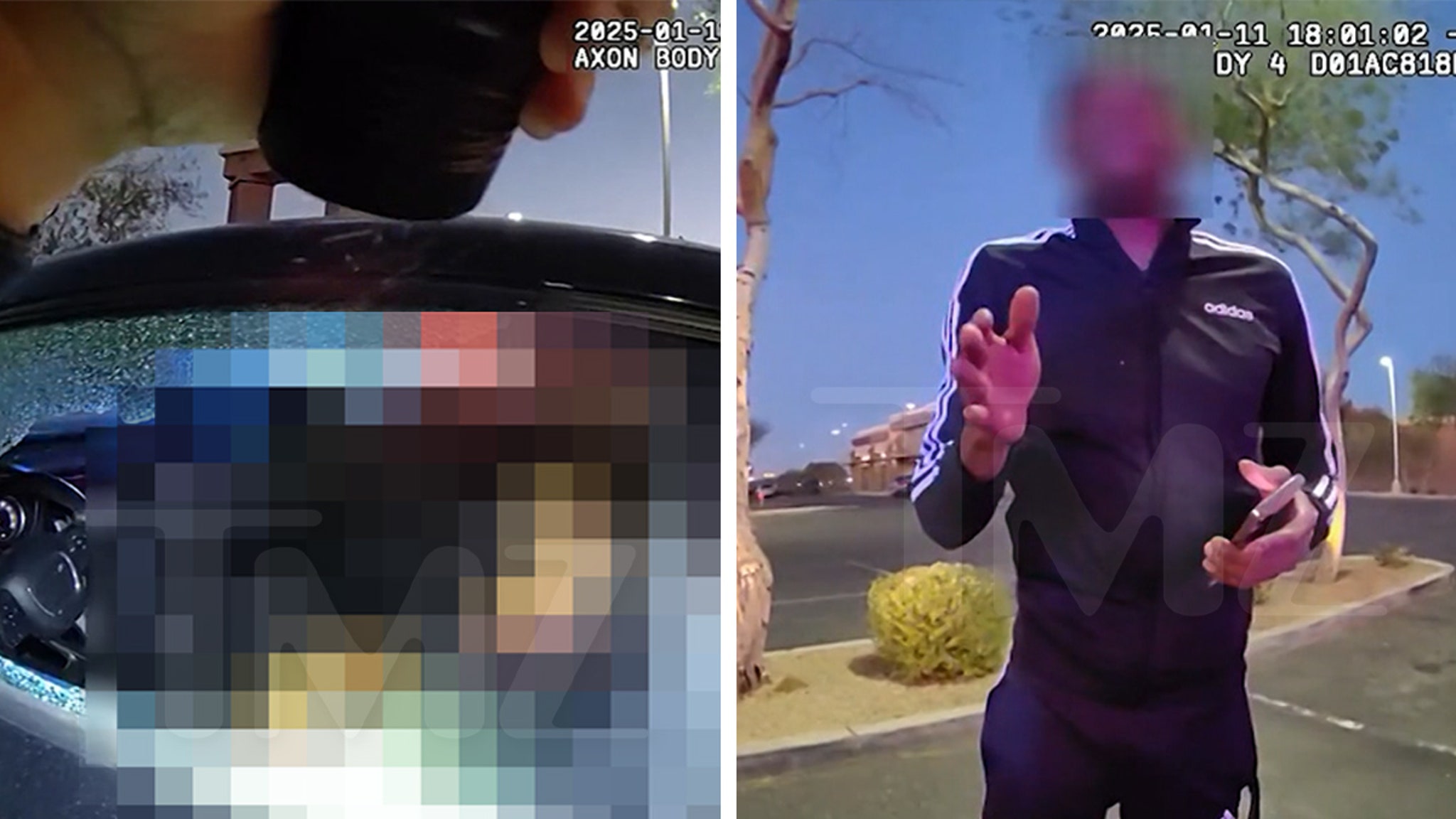
The internet has a way of turning a private tragedy into a public spectacle faster than most of us can process. If you’ve been searching for the Nautica Malone body cam footage, you’ve likely run into a wall of conflicting reports, viral clips, and heavy-handed commentary.
People are looking for answers. They want to know why a 27-year-old father of two ended up at the center of a national firestorm that ended in the most permanent way possible.
The reality isn't a simple police procedural. It’s a messy, uncomfortable story about a viral encounter at a Bikini Beans coffee shop in Tempe, Arizona, and the digital aftermath that followed. Honestly, it’s one of those cases where the "body cam" everyone is looking for isn't actually the main piece of the puzzle. It's the barista's phone and the subsequent police response that tell the real story.
The Incident at Bikini Beans
On the morning of January 7, 2025, Nautica Malone pulled his black Dodge into the drive-through of Bikini Beans. This wasn't a routine coffee run.
The barista working the window was already recording before Malone even reached her. She clearly sensed something was off. When Malone pulled up, he was smiling. He looked, by some accounts, confident. But as the camera moved closer, the reason for the barista's alarm became clear: Malone was completely exposed from the waist down.
"Sir! Unacceptable," she shouted.
Malone didn't argue. He didn't make a scene. He simply sped away. That ten-second interaction, captured on a smartphone, became the catalyst for everything that followed. It wasn't a police body cam that captured the initial crime; it was a worker documenting her own harassment.
Why the "Body Cam" Search is Trending
You might be wondering why everyone is specifically searching for Nautica Malone body cam footage if the initial video was from a phone.
Whenever a viral incident involves a crime, the public expects to see the official police version. People want to see the arrest. They want to see the interrogation. In this case, the police did eventually catch up with the vehicle, but the "body cam" footage people are hunting for often refers to the secondary part of the story—the discovery of Malone and the investigation into his death.
The police response was swift because the video went viral almost instantly. It wasn't just a local news story. It was TikTok fodder. It was Twitter (X) bait. Within 24 hours, millions of people had seen Malone’s face.
The Viral Death Sentence
We live in an era of "digital executions." That sounds dramatic, but for Nautica Malone, it was literal.
Three days after the video exploded online, Malone drove his Dodge to an empty parking lot. He called his brother. Then, he took his own life. He was 27. He left behind a wife and two young daughters.
The tragedy of the Nautica Malone body cam saga is that the legal system never got to do its job. The court of public opinion moved too fast. While his actions at the coffee shop were undoubtedly a crime—indecent exposure and sexual harassment—the punishment became a global shaming campaign that he clearly couldn't survive.
The "Goonicide" and the Internet's Reaction
If you spend any time in the darker corners of the internet, you might have heard this referred to as the "Goonicide."
It’s a cruel term. It stems from "gooning," a slang term for a specific type of porn addiction. The internet, in its infinite capacity for irony and detachment, turned Malone's suicide into a meme. They even held a "Gooneral"—a mock vigil outside the coffee shop where it all started.
- The Mockery: Groups of young men showed up in hoodies and baggy jeans to "mourn" him, but it was largely a stunt for views.
- The Family's Grief: Meanwhile, his mother was on Facebook, rightfully devastated, blaming the barista for posting the video.
This is where the nuance gets lost. Is the barista wrong for recording her harasser? Most would say no. But did the act of posting it for the world to see—rather than just giving it to the police—contribute to a man's death? That's the question that haunts this case.
What the Police Records Actually Show
When you look into the official reports surrounding the Nautica Malone body cam and the Tempe Police Department's involvement, the timeline is stark.
- January 7: The incident occurs. The barista records the video.
- January 8-9: The video goes viral. Malone is identified by internet sleuths and local authorities.
- January 10: Malone is found deceased in his vehicle.
The body cam footage that exists from that final day isn't a "caught in the act" video. It’s a somber record of officers discovering a man who had been broken by shame. It's the footage of the Dodge Challenger sitting alone in a lot.
Experts in digital psychology often point to this case as a "perfect storm." You have a clear-cut case of misconduct (the exposure) meeting a hyper-reactive digital culture. There was no "due process" for Malone in the digital world. He went from a private citizen to a global villain in less than 48 hours.
The Complexity of the Blame Game
There are no winners here.
The barista was a victim of sexual harassment. She had every right to be angry and to protect herself.
The family of Nautica Malone lost a son, a husband, and a father. They are left to pick up the pieces of a reputation that was destroyed in seconds.
The public, fueled by algorithms that reward outrage, consumed the story like entertainment until it turned into a funeral.
Some argue that Malone "got what he deserved" for his actions. That’s a common sentiment in the comments sections of the viral clips. But there's a massive gap between a misdemeanor or even a low-level felony and a death sentence carried out by the collective weight of the internet.
Lessons from the Nautica Malone Case
If there's anything to take away from the Nautica Malone body cam tragedy, it’s a grim look at our current "cult of shame."
- Privacy is dead: Once you're on camera, you belong to the world.
- The Algorithm doesn't care about outcomes: The platforms that hosted the video benefited from the traffic, regardless of the human cost.
- Mental Health is a factor: Malone’s actions were not those of a person in a healthy state of mind, yet the internet treats every viral "villain" as a calculated mastermind.
Moving Forward: Actionable Insights
If you’re following this story, it’s easy to get lost in the "true crime" aspect of it. But there are real-world implications for how we handle digital evidence and public shaming.
For Content Creators and Workers:
If you are harassed at work and record it, your first priority should be your safety and the legal process. Handing footage directly to the police or your employer protects you legally. Posting it publicly can lead to unpredictable, and sometimes tragic, consequences that might complicate a legal case.
For the Public:
Before sharing a "justice" video or a viral shaming clip, remember the Nautica Malone case. We often don't have the full context. What started as a video of a "lone-wolf pervert" ended with two children losing their father.
For Those Struggling:
If you find yourself in a situation where your private mistakes have become public, or if you're struggling with the weight of digital harassment, reach out to professionals. The internet is a vacuum, but the real world has resources.
The Nautica Malone body cam isn't a piece of entertainment. It’s a record of a systemic failure in how we handle crime, punishment, and mental health in the 21st century. It serves as a permanent reminder that behind every viral "moment" is a human being, for better or worse.
If you or someone you know is struggling or in crisis, help is available. Call or text 988 or chat at 988lifeline.org in the US and Canada, or call 111 in the UK. These services are free, confidential, and available 24/7.