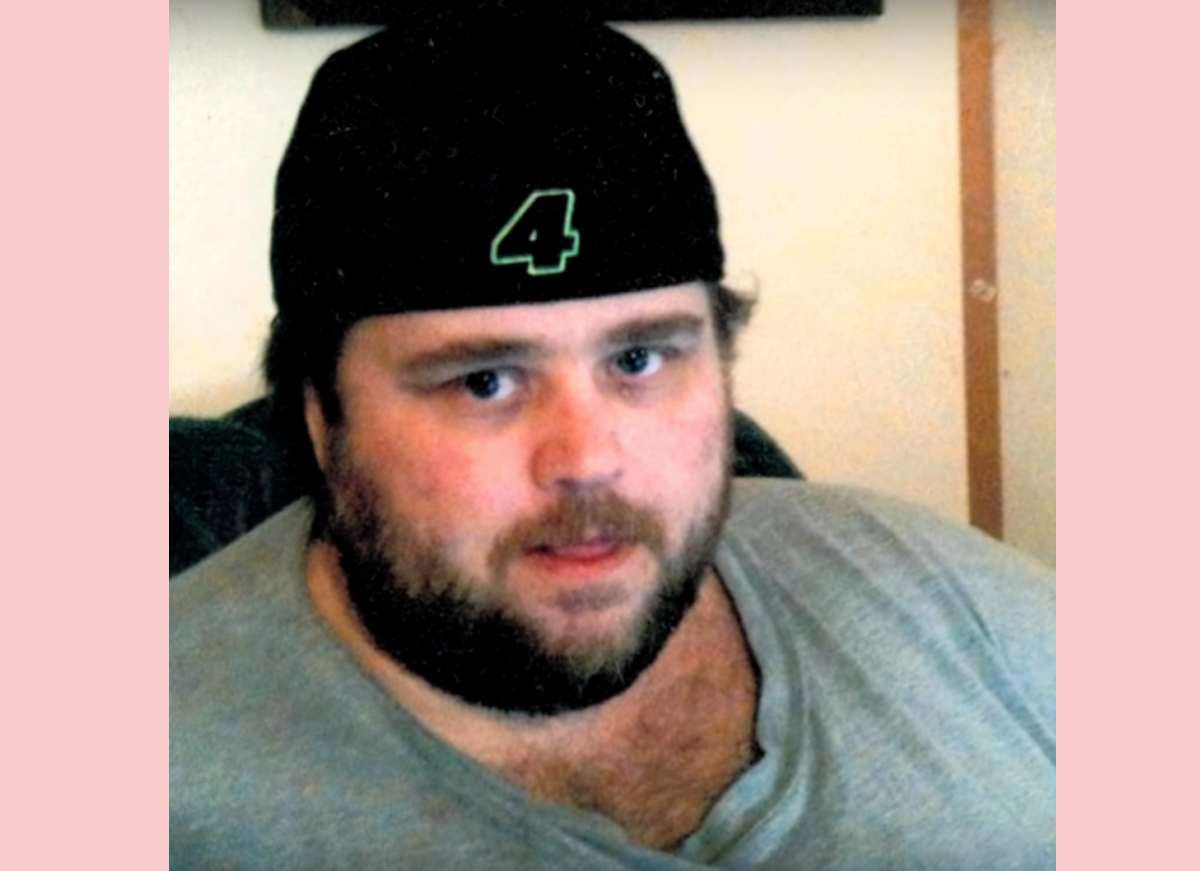
When you talk about the heavy hitters of reality TV—and I mean the ones that actually stay with you long after the credits roll—you have to talk about James King. Most people who follow the TLC circuit know him as the guy from My 600 lb Life James King episode, but his story is way more than just a number on a scale. It’s a messy, heartbreaking, and frankly frustrating look at what happens when addiction meets a total lack of boundaries. James wasn’t just another patient for Dr. Nowzaradan. He became a symbol of the show's most difficult struggles.
He weighed 791 pounds when he first appeared. That’s a massive number. It’s hard to even wrap your head around how the human body carries that much weight. But James did. He spent years confined to a bed in Paducah, Kentucky, relying entirely on his family for every single basic need.
Why the James King Episode Is Still So Hard to Watch
Reality TV loves a redemption arc. We want to see the person who can’t walk finally take those first steps. We want the triumph. But with James, the narrative felt stuck in a loop. It was a cycle of excuses and, honestly, a lot of enabling from the people who loved him most. His girlfriend, Lisa Raisor, became a central figure in the drama, often clashing with Dr. Now over what James was actually eating.
Dr. Nowzaradan is famous for his "tough love" approach, but even he seemed pushed to his limit here. He famously accused Lisa of "sneaking him food" while James was literally in the hospital trying to lose weight for surgery. It’s wild to think about. You’re in a controlled environment, supposedly on a 1,200-calorie diet, and you’re gaining weight. That doesn't happen by accident. It happens because of deep-seated psychological patterns that a simple diet plan can't fix overnight.
The dynamic was toxic. There’s really no other way to put it. You’ve got a man who is literally eating himself to death and a partner who feels that "showing love" means giving him the very thing that’s killing him.
The Physical Toll of 800 Pounds
Living at that size isn't just about the heart or the lungs. It's the skin. It's the legs. James suffered from severe cellulitis and "weeping" legs, where fluid literally leaks through the skin because the lymphatic system is so overwhelmed. If you've seen the footage, it's visceral. It isn't just "TV gross"—it's a medical emergency that lasted for years.
He had a family that clearly cared, but they were drowning. His father even refinanced his home just to get James to Houston for treatment. Imagine that pressure. Your aging father is putting his house on the line because you can't stop eating. That's the level of desperation we're talking about in the My 600 lb Life James King saga.
The Controversy of the "Reggin'" Comment
If you spend any time in the show's fandom on Reddit or Facebook, you know the memes. "Ow, my legs!" and the requests for "reggin'" (wonton) rolls. It sounds cruel to meme-ify a man's suffering, but it highlights the absurdity that viewers felt. James would cry out in genuine pain—pain that was clearly 10/10—but then immediately demand the food that caused the inflammation.
It points to a massive gap in how we treat obesity. Is it a lack of willpower? Dr. Now would say yes, partially. But it's also a profound mental health crisis. James had trauma. He lost his mother at a young age and grew up in an environment where food was likely the only reliable comfort. When you take that comfort away, the person doesn't just get skinny; they unravel.
Life After the Cameras Stopped Rolling
James appeared in a Where Are They Now? follow-up, and things hadn't improved much. In fact, they got worse. His weight climbed even higher, eventually crossing the 840-pound mark. It’s rare for the show to feature a participant who actually gains a significant amount of weight after seeking help, but James was the exception.
He was eventually dismissed from Dr. Now’s program. That’s a rare move. Usually, the doctors keep trying until the patient gives up, but the "non-compliance" here was so extreme that it was deemed a waste of resources. This sparked a huge debate among fans: Should the show keep helping someone who refuses to help themselves? Or is there a point where you have to focus on the patients who are actually following the plan?
The Reality of His Passing
Sadly, James King passed away in April 2020. He was only 49 years old. He died at a hospital in Nashville, Tennessee. While the official cause wasn't widely broadcast as one specific thing, he had been battling kidney and liver failure for a long time.
His death hit the community hard. Even though he was a "villain" to some viewers because of his resistance to the diet, he was still a father of six and a grandfather. He was a human being who was clearly suffering. His passing served as a grim reminder that the stakes on this show aren't just for ratings. They are life and death.
What We Can Learn from James King’s Journey
There are some pretty heavy takeaways here that go beyond just a TV show. Honestly, it's about the limits of medical intervention when the home environment doesn't change.
- Enabling is a slow poison. If the people around a person with addiction (food or otherwise) don't change their behavior, the person with the addiction almost never will. Lisa's role in James's life is a case study in "loving someone to death."
- Mental health is the foundation. You can't put a band-aid—or a gastric sleeve—on a bullet wound. James needed intensive, inpatient psychological care probably more than he needed the surgery.
- The "Point of No Return" is real. There is a physiological threshold where the body simply starts to shut down. Once the kidneys and liver are compromised by massive weight, even the best diet in the world might be too late.
Actionable Insights for Those Following the Show
If you're watching My 600 lb Life James King or similar stories because you're struggling with your own weight or supporting someone who is, don't just look at the calories. Look at the support system.
- Audit your circle. If people are bringing "treats" into the house when you've asked them not to, that's not a craving issue; it's a boundary issue.
- Seek specialized therapy. Look for therapists who specialize in "Eating Disorders Not Otherwise Specified" (EDNOS) or Binge Eating Disorder (BED). Standard talk therapy often isn't enough for the level of trauma seen on the show.
- Focus on mobility first. For James, the bed was his prison. Small, seated exercises can prevent the level of skin breakdown and circulatory failure that eventually led to his complications.
- Understand the "Why." Most of these participants aren't "lazy." They are self-medicating. Identifying the original trauma—whether it's loss, abuse, or neglect—is the only way to stop the cycle.
James King's story is a tragedy, plain and simple. It didn't have the happy ending we all root for, but it remains one of the most important episodes of the series because it's honest. It shows that sometimes, despite the best medical help in the world, the internal battle is just too much to overcome. It reminds us to have a little more empathy for the people trapped in their own bodies, even when they make it hard to do so.
The legacy of the James King episode isn't the memes or the "reggin'" rolls. It's the sobering reality of what happens when a support system fails and an addiction takes total control. If you're going to watch, watch it as a cautionary tale about the importance of mental health and the terrifying power of food addiction.
To really understand the impact James had, you have to look at the "after." Since his passing, the show has shifted slightly. You see more emphasis on therapy earlier in the process now. Maybe that's a coincidence, or maybe the producers and doctors learned from the James King experience that the scale is the last thing that needs to change—the mind has to come first.
If you're looking for more updates on the cast or medical insights into the procedures shown on TLC, check out the official medical boards or the NIDDK (National Institute of Diabetes and Digestive and Kidney Diseases) for actual stats on morbid obesity recovery rates. They aren't pretty, but they're real.