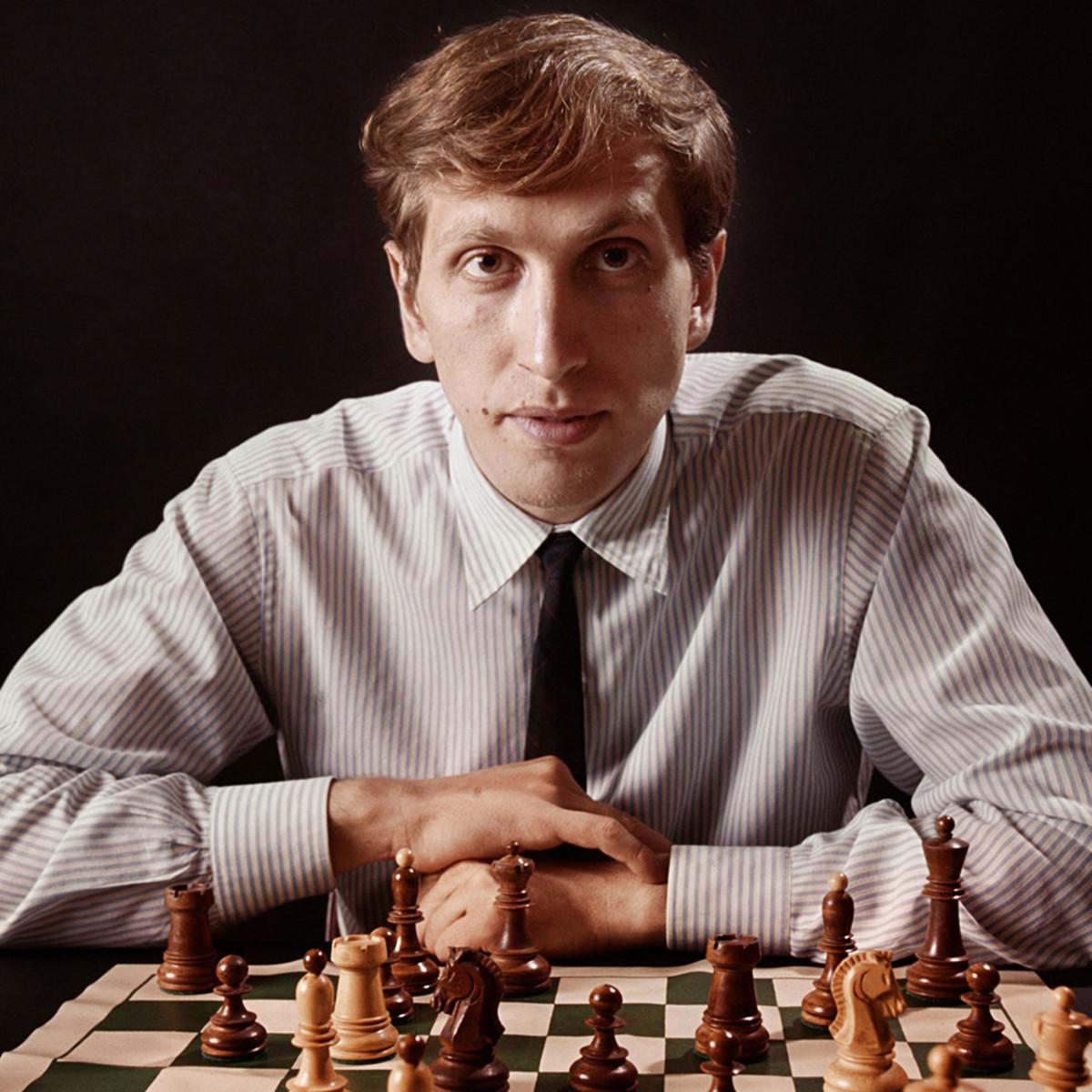
It is a weird thing to realize that the most famous chess player in history spent his final days in a small apartment in Reykjavik, basically hiding from the U.S. government. Most people remember the 1972 "Match of the Century" where Bobby Fischer crushed Boris Spassky and single-handedly won the Cold War on a chessboard. But the 2009 documentary Me and Bobby Fischer isn't about grandmasters or genius-level opening theory. Honestly, it's about a very lonely, very paranoid man and the Icelandic cop who decided he wouldn't let his friend rot in a Japanese prison.
If you’ve seen the film, you know it feels kinda raw. It’s not polished like a Hollywood biopic. It’s mostly handheld footage shot by Friðrik Guðmundsson, and it follows Sæmundur Pálsson—known locally as "Sæmi Rokk"—as he fights to get Fischer out of legal limbo.
Why Me and Bobby Fischer is Hard to Watch
The documentary covers the period starting in 2004 when Fischer was detained in Japan for using a revoked U.S. passport. He was facing extradition to the United States for breaking sanctions by playing a rematch against Spassky in Yugoslavia back in '92. Sæmi Pálsson, who had been Fischer’s bodyguard during the '72 match, wasn't about to let that happen. He and a group of supporters (the RJF Committee) lobbied the Icelandic government to grant Fischer citizenship. It worked.
But once Bobby gets to Iceland, the vibe changes.
The "Me" in the title is really Sæmundur. The movie is a portrait of an impossible friendship. Sæmi is this cheerful, dancing, former policeman. Bobby is... well, Bobby is a wreck. He spends a lot of time on screen ranting about conspiracies, Jews, and how the world is out to get him. It’s uncomfortable. It’s supposed to be.
The Part Nobody Talks About
There is a massive misconception that Fischer was "rescued" and then lived happily ever after in Iceland. That's not the case. The documentary shows the friction between Bobby and the people trying to help him. He was incredibly difficult. He didn't trust anyone. He even turned on Sæmi eventually.
According to Gardar Sverrisson, who was perhaps Fischer’s only true confidant at the very end (and wrote a book about it called Bobby Fischer: The Final Years), Bobby was a man of intense contradictions. He could be witty and gentle one minute, and then spiraling into a rage about "the Jews" the next. The film captures this "boor at the end of the bar" energy that made even his most loyal Icelandic supporters cringe.
Fact-Checking the Drama
Let's get some things straight because the internet loves to mess up the details of this era:
- Was he broke? Not exactly. He had money from the '92 match, though he had major issues with banks (specifically a Swiss bank selling off his gold coins without permission, which made him livid).
- The "Kidney" Issue: Fischer died in 2008 of degenerative renal failure. He refused surgery and medicine. He didn't trust doctors. He basically chose to die because he was terrified of being "tampered with" by the medical establishment.
- The Wedding: He was technically married to Miyoko Watai, the head of the Japanese Chess Association, but she wasn't in Iceland with him full-time. The documentary highlights Sæmi as the primary emotional anchor.
What the Documentary Gets Right (and Wrong)
Friðrik Guðmundsson admitted he wasn't even a chess fan. He just liked the story of Sæmi and Bobby. Because of that, the film ignores the "genius" of Fischer and looks at the human remains. It’s voyeuristic. Some critics felt it was exploitative because Fischer looks like he’s losing his mind. Fischer himself actually complained about the film, claiming the material was obtained by fraud or at least under different pretenses.
Actionable Insights for Chess Fans and History Buffs
If you are interested in the reality of Bobby Fischer's late-life exile, don't just stop at the documentary. It's only one side of the coin.
- Watch "Me and Bobby Fischer" with a grain of salt. Understand it’s a personal perspective from Sæmundur Pálsson’s side. It's a study of a friendship under extreme pressure, not a sports doc.
- Read "Bobby Fischer: The Final Years" by Gardar Sverrisson. This provides the nuance the documentary lacks. It shows the quiet moments, the library visits, and the intellectual conversations Bobby had when he wasn't in "rant mode."
- Separate the Art from the Artist. Fischer’s contributions to chess—like Fischer Random (Chess960) and the increment clock—are brilliant. His personal views at the end of his life were objectively hateful. You can study his games without adopting his worldviews.
- Visit Selfoss if you’re ever in Iceland. That’s where he is buried. It’s a tiny, humble grave at Laugardælir church. It’s a quiet end for a man who spent his life in a loud, chaotic storm of his own making.
Fischer's story is a tragedy of a brilliant mind that simply ran out of room to exist in the real world. He needed a board with 64 squares; the world has too many variables.
To fully understand the context of the documentary, you should look into the legal battle in Japan between 2004 and 2005. The specific details of how the RJF Committee convinced the Althing (Iceland's parliament) to grant him citizenship is a masterclass in grassroots diplomacy. It was a one-time-only deal that could never happen today.