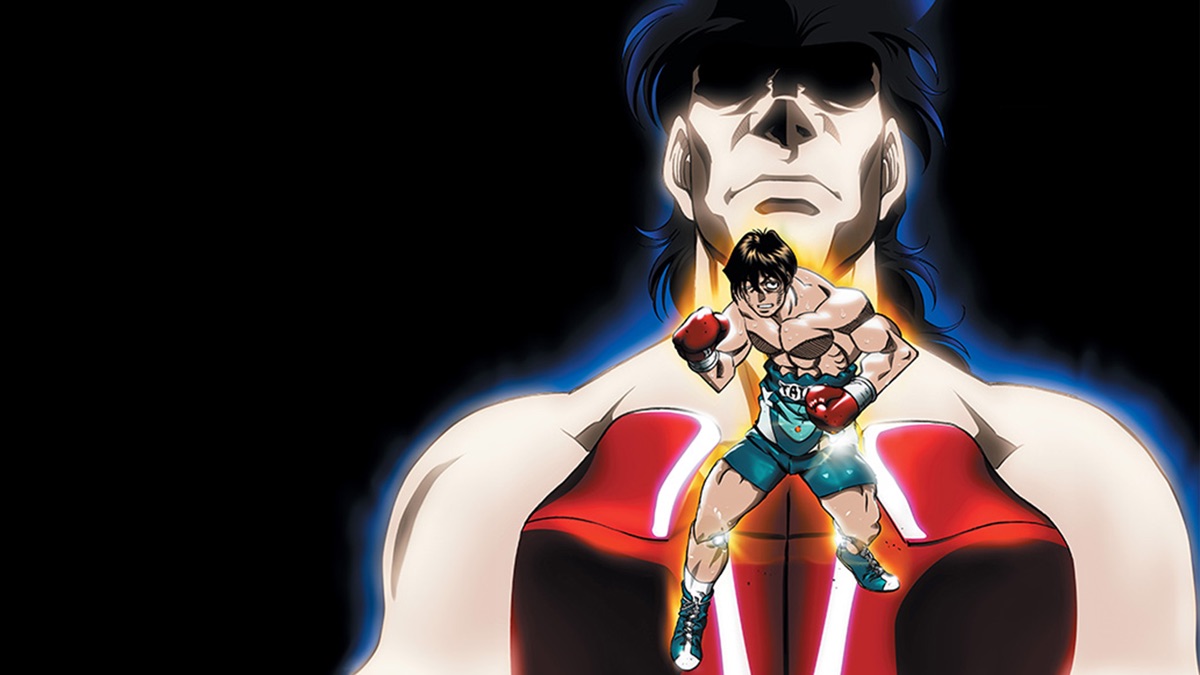
Let’s be real for a second. If you ask a casual fan about the best fight in Hajime no Ippo, they’re going to bark about Ippo vs. Sendo II or maybe Takamura vs. Bryan Hawk. And look, those are absolute bangers. Pure adrenaline. But for the people who actually get why George Morikawa’s masterpiece has survived for thirty-plus years, there is only one answer.
Mashiba vs Kimura.
It’s not even in the main series. It’s a 60-minute OVA from 2003. And yet, it contains more heart, more desperation, and more sheer "holy crap" moments than most long-running shonen series manage in their entire runtime. This isn't just a boxing match; it’s a career-defining tragedy that most fans still haven't fully processed.
The Underdog Who Actually Had a Plan
Usually, in sports anime, the underdog wins because of "spirit" or some new move they learned in a montage. Kimura Tatsuya isn't that guy. He’s the definition of a journeyman. He’s the guy who supports the main characters from the sidelines. He’s the "average" boxer.
When he gets his shot at Ryo Mashiba—the literal Grim Reaper of the Junior Lightweight division—nobody expects him to survive. Mashiba is a monster. He has those terrifying flicker jabs and a reach that makes you feel like you're fighting a windmill made of knives.
But Kimura does something most anime characters don't. He realizes he is technically inferior. He knows he's outclassed. So, he builds a strategy based on his own limitations. He seeks out Miyata—Mashiba's former rival—and basically begs for the secrets to the Hitman style.
He spends weeks training to slip low. He develops the Dragonfish Blow.
It’s a deceptively simple move. You throw a left to the body to force the guard down, then loop a massive overhand right over the top of the opponent's line of sight. It’s the kind of punch that feels like it’s coming from another zip code.
Why the Match Feels Different
If you rewatch the fight today, the first thing you notice is the pacing. It’s brutal. Kimura spends the first six or seven rounds just... taking it. He is a human punching bag. Mashiba is dismantleing him with the flicker jab, and honestly, you're sitting there wondering why the ref hasn't stopped it.
Kimura’s face is a mess. His eyes are swelling shut. But he’s not just "toughing it out." He’s measuring the distance. He’s waiting for Mashiba to get comfortable, to get bored, to think the fight is already over.
Then comes the ninth round.
The music shifts. The animation, handled by Madhouse back when they were at their absolute peak, becomes fluid and terrifying. When Kimura finally lands that first Dragonfish Blow, it’s not just a punch. It’s five years of frustration, of being the "sidekick," of being told he’s just an average Joe, all exploding into Mashiba’s jaw.
The sheer shock on Mashiba’s face? Priceless. He realizes he’s not fighting a stepping stone. He’s fighting a man who is ready to die in that ring.
The 3-Centimeter Gap
This is where the fight moves from a "cool sports moment" to a masterpiece of storytelling.
At the end of the fight, Kimura is one punch away from the title. One. Single. Punch. He has Mashiba on the ropes. He’s gassed, he’s bleeding, he can barely see. He throws the final Dragonfish Blow.
And it misses. By three centimeters.
Mashiba wins by knockout shortly after, but the look on his face as he leaves the ring isn't one of victory. It’s fear. He knows he almost lost everything to a "nobody." He leaves the arena without his belt, feeling like a fraud, while Kimura lies on the canvas, having lost the match but gained the respect of every single person in that building.
The Legacy of the Dragonfish Blow
Honestly, what makes this fight hurt so much in retrospect is what happened afterward in the manga. Kimura promised to retire if he lost. He didn't. He stayed.
But he was never the same.
Some fans argue that Morikawa "wasted" Kimura by turning him back into a gag character who struggles with weight control. But if you look at it through a lens of realism, it makes total sense. Kimura peaked that night. He put 110% of his soul into those rounds. How do you go back to fighting unranked nobodies in a smelly gym after you almost touched the sun?
Mashiba, on the other hand, used this fight as a wake-up call. It was the catalyst for him to stop relying purely on his physical gifts and start respecting the "spirit" of his opponents. You can draw a direct line from the Kimura fight to Mashiba’s eventual run at the world title.
Actionable Insights for Fans and Writers
If you're a writer or a fan of storytelling, there are a few things to take away from Mashiba vs Kimura that you won't find in your typical "how to write" guide:
- Make the Loss Mean Something: A loss is often more powerful than a win. Kimura’s loss defined his character more than a fluke victory ever could.
- The Power of the Signature Move: The Dragonfish Blow works because it’s grounded. It’s just an overhand right, but the context of why he needs it (to beat a taller man) makes it legendary.
- Visual Storytelling: Watch the way the color palette changes when Kimura starts his comeback. It goes from cold blues and grays to vibrant, fiery oranges.
- Don't Fear the Underdog: Sometimes the most compelling stories aren't about the guy at the top of the mountain, but the guy who almost made it and fell back down.
If you haven't seen the OVA in a while, go back and watch it. Forget about the 1400+ chapters of the manga for a second. Just watch two men destroy each other for 60 minutes. It’s the purest distillation of what boxing—and Hajime no Ippo—is actually about.
It’s not about the belt. It’s about those three centimeters.
For your next deep dive into the series, look at how Mashiba's defensive style changed after this fight to see if he ever truly "fixed" the opening Kimura found.