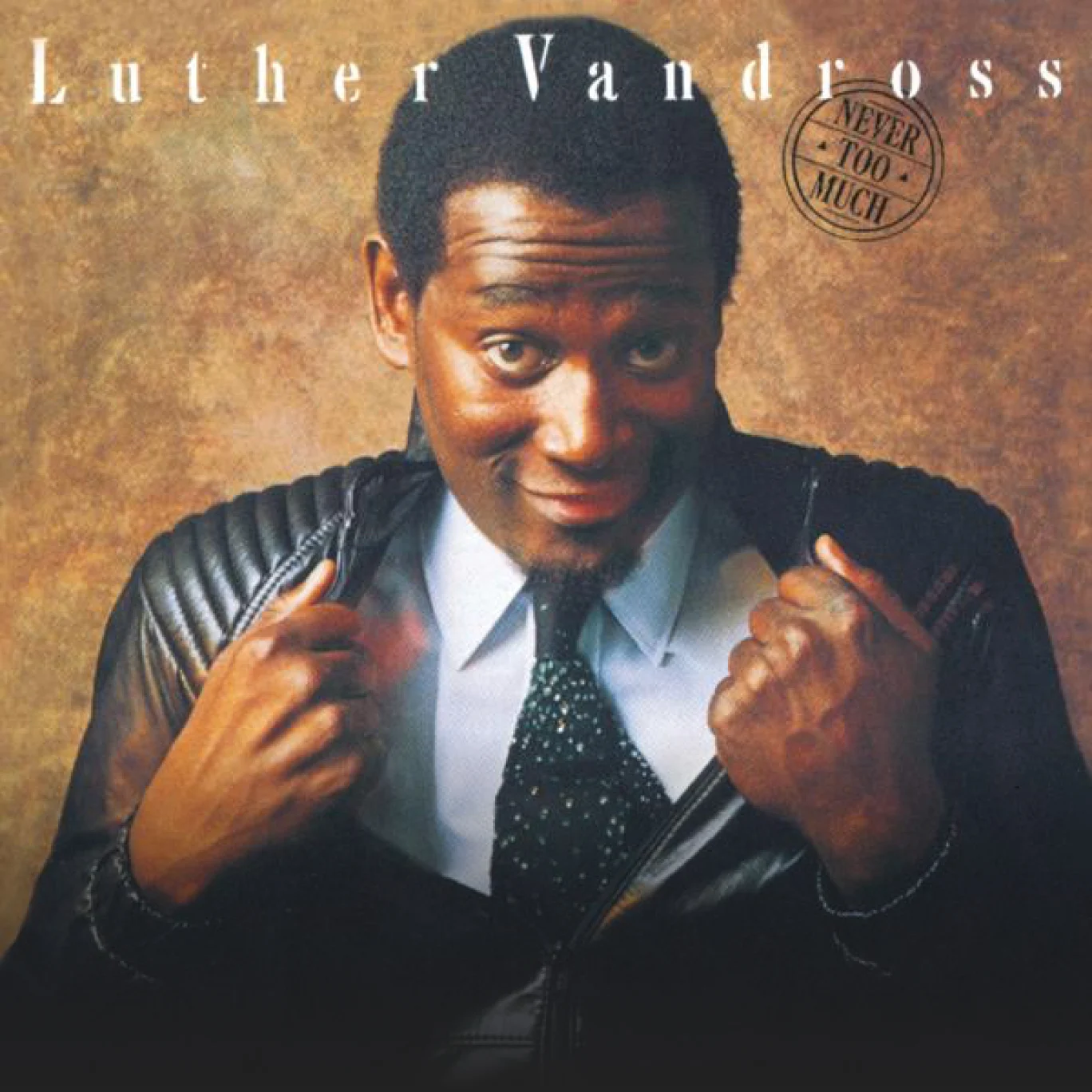
When you talk about the 1990s R&B landscape, people usually jump straight to the hip-hop soul of Mary J. Blige or the soaring pop-balladry of Whitney and Mariah. But tucked away in 1993 was a moment of pure, unadulterated class that often gets overshadowed by the bigger "wedding songs" in his catalog. I’m talking about Luther Vandross It's Alright.
Honestly, it's one of those tracks that defines what fans call the "Lutherized" sound. You know the one. It's that silky, multi-tracked vocal arrangement where Luther basically becomes his own choir. The song appeared on his eighth studio album, Never Let Me Go, and while it wasn't the monster chart-topper that "Here and Now" was, it carries a specific kind of emotional weight that's hard to find in modern R&B.
The Story Behind Never Let Me Go
By the time 1993 rolled around, Luther was already a legend. He had nothing to prove. Yet, Never Let Me Go felt like he was leaning harder into his gospel roots while keeping one foot firmly in the polished urban adult contemporary world. Luther Vandross It's Alright—often listed with the subtitle "(Send Me)"—isn't just a love song. It’s a testimony.
Working alongside his longtime collaborator and bassist extraordinaire Marcus Miller, Luther crafted a mid-tempo groove that feels like a warm hug. It’s got that signature Miller bassline—supple, melodic, and driving—but the spotlight never leaves those vocals.
Why the "Send Me" Subtitle Matters
If you listen closely to the lyrics, the "It's Alright" part of the title is a response. It’s a declaration of readiness. The song leans into a classic soul trope: the idea of being the "one" who is sent to provide comfort.
- It’s about emotional availability.
- It bridges the gap between secular romance and spiritual devotion.
- The phrasing "Send Me" is a direct nod to gospel traditions (think Sam Cooke and the Soul Stirrers).
Luther was always a master of the "crossover" without losing his soul. He didn't need to rap or jump on a trendy New Jack Swing beat to stay relevant. He just had to be Luther.
What Most People Get Wrong About This Era
There’s this weird misconception that the early 90s was a "slump" for Luther because he started losing some ground on the R&B charts to younger acts like R. Kelly or Jodeci. That’s just not true. Never Let Me Go actually debuted at number six on the Billboard 200. It went platinum.
The track Luther Vandross It's Alright represents a peak in his production value. If you listen to it on a high-quality pair of headphones today, the layering is insane. He was obsessed with the "stacking" of his background vocals. He’d spend hours in the studio getting the vibrato of the backing tracks to match his lead perfectly. It sounds effortless, but it was actually meticulous labor.
"Luther didn't just sing songs; he built architectures of sound." — This is a sentiment shared by many session musicians who worked at The Hit Factory during those sessions.
The Anatomy of the Groove
Technically speaking, the song sits in a comfortable mid-tempo pocket. It’s not a slow dance ballad, and it’s not a club banger. It’s a "drive-home-from-work" song.
- The Percussion: It has that crisp, 90s digital drum sound that somehow manages to feel organic because of the percussion layers.
- The Backing Vocals: Featuring legends like Cissy Houston and Fonzi Thornton, the background isn't just "there." It pushes the lead vocal forward.
- The Key Change: Like many Luther classics, the shift in the final third of the song elevates the emotional stakes. It goes from a conversation to a plea.
Kinda amazing how he could take a simple sentiment like "it's alright" and make it sound like the most profound discovery in the world.
Comparing "It's Alright" to the Big Hits
If you compare this track to "Never Too Much" or "Power of Love," it’s definitely more subdued. It lacks the frantic energy of his 80s funk period, but it has more maturity. By 1993, Luther’s voice had deepened slightly. It had more "chest" to it.
People often confuse this track with his covers. Luther was the king of the remake (think "A House Is Not a Home" or "Superstar"), but Luther Vandross It's Alright was a contemporary piece that felt like it was written specifically for his evolving stage persona. He was no longer the skinny kid from the Bronx; he was the undisputed Titan of Love Songs.
How to Truly Appreciate This Track Today
If you’re revisiting his discography, don’t just put it on shuffle. Context is everything. In 1993, the world was loud. Grunge was exploding. Gangsta rap was taking over the airwaves. In the middle of all that noise, Luther released a record that was essentially about peace, kindness, and being "alright."
It’s a masterclass in restraint. He doesn't over-sing. There are no unnecessary vocal gymnastics or screaming. Just pure, velvet tone.
Actionable Listening Guide for Fans
To get the most out of Luther Vandross It's Alright, try these steps:
- Listen for the "Vandross Stack": Pay attention to the bridge. Notice how the backing vocals respond to his lead. It's a call-and-response technique he perfected.
- Check the Credits: Look for Marcus Miller’s bass work. The "pop" of the strings provides the heartbeat of the song.
- Pair it with the Music Video: The visuals from this era are peak 90s aesthetic—soft lighting, elegant suits, and a focus on the performance rather than flashy gimmicks.
- Explore the "Never Let Me Go" Album: Don't stop at the single. Tracks like "Little Miracles (Happen Every Day)" and "Heaven Knows" provide the full picture of where Luther’s head was at during this mid-90s transition.
Ultimately, this song is a reminder that you don't always need a massive hook or a viral dance to make a "good" record. Sometimes, a great voice and a sincere message are more than enough. It’s alright, indeed.