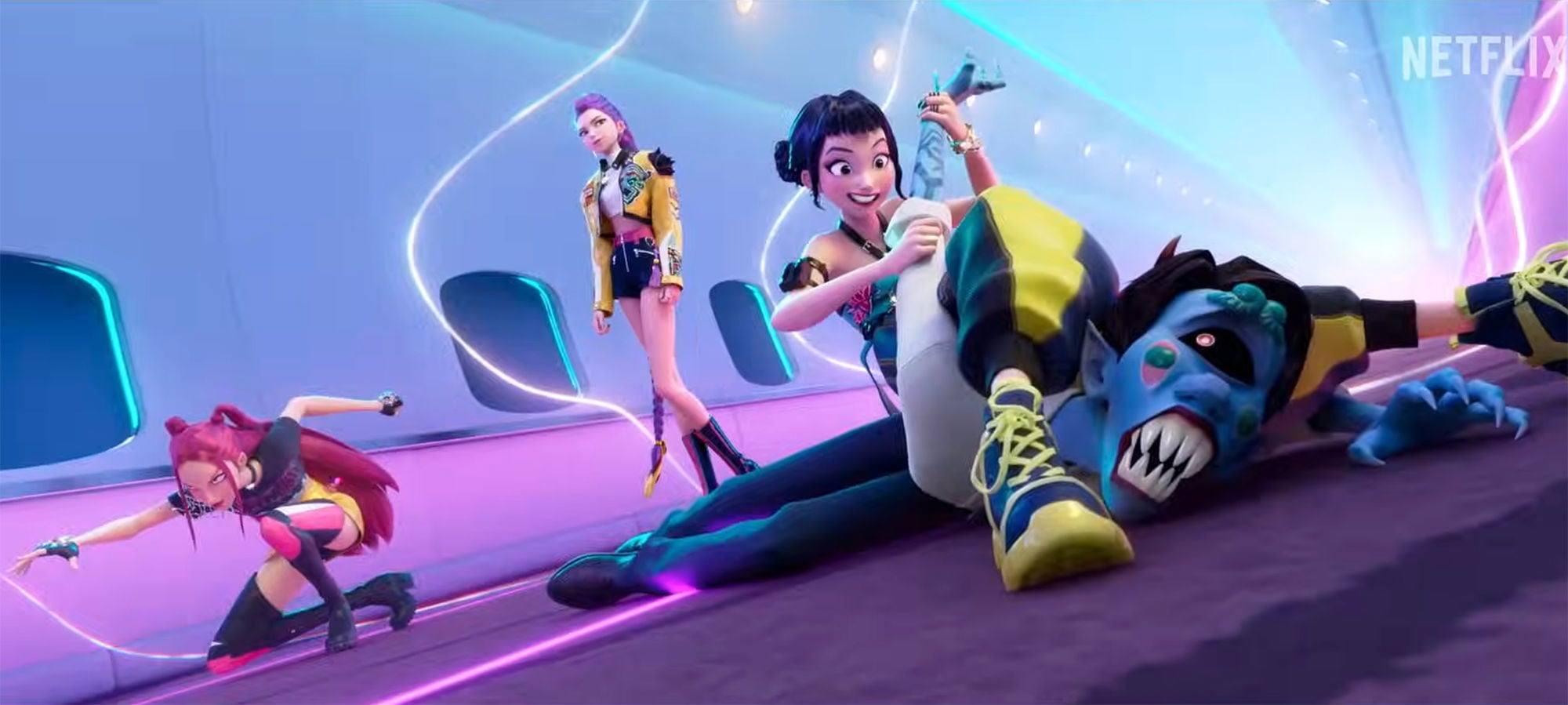
You’ve seen the TikToks. You’ve probably scrolled past a few dozen grainy threads on "X" or Discord claiming that a secret group of K-pop idols are moonlighting as supernatural vigilantes. It sounds like the plot of a B-movie or a high-budget Netflix drama. But the name that keeps popping up in these weird corners of the internet is K-pop demon hunters Zoey. Honestly, it’s one of those digital myths that refuses to die because it perfectly blends the glitz of Seoul’s music industry with the gritty world of urban legends.
People are obsessed.
The reality, though, is way more nuanced than just "ghost hunting with a lightstick." When you dig into the lore of K-pop demon hunters Zoey, you aren't just looking at a fan theory. You are looking at how modern fandom constructs complex alternate reality narratives to deal with the intense, often soul-crushing pressure of the idol industry.
Is Zoey a real person? Is she a trainee who vanished? Or is she just a clever piece of "creepypasta" that got out of hand? Let's get into what’s actually happening here.
The Viral Roots of the K-Pop Demon Hunters Zoey Legend
Most of this started with a series of cryptic posts on Korean forums like Pann and Nate Pann. They weren’t about music charts or "visual" rankings. Instead, they focused on "Zoey," a supposed former trainee from a mid-tier agency who left the limelight to deal with "spiritual disturbances" in the industry.
It's dark. It's weird.
The story goes that Zoey realized the intense energy of stadiums and the obsessive nature of "sasaeng" fans was actually attracting something malevolent. Not metaphorically. Literally. We’re talking about "demons" or "pretale" spirits feeding on the adrenaline of thousands of people. According to the legend of K-pop demon hunters Zoey, she isn't acting alone. She’s supposedly the leader of a loose collective of idols—current and former—who use their "high-vibration" performances to cleanse venues.
It sounds ridiculous to an outsider. But if you’ve ever felt that weird, heavy static in a crowded room, you kinda get why the story stuck.
Why This Narrative Explodes in Fandoms
Fandoms are basically digital families. They create their own languages. They create their own myths. The K-pop demon hunters Zoey story functions as a metaphor for the protection of idols. Fans feel helpless watching their favorites get overworked or harassed. By inventing or participating in a story where idols are powerful warriors fighting literal demons, fans reclaim a sense of agency. It’s a psychological shield.
The "Zoey" figure represents the ultimate "bias." She's the one who escaped the system but still protects those inside it.
Sorting Fact From "Fan-Fiction"
Let's be incredibly clear: there is no documented evidence of a "Zoey" registered as a professional exorcist in the Seoul Metropolitan area who also holds a K-pop trainee contract.
I know. Shocking.
But why do people believe it?
- The "Mysterious" Hiatuses: Whenever an idol goes on a sudden mental health break, the "hunters" theorists claim they are actually training with Zoey.
- Technical Glitches: Screen flickers during a live stream? That’s a demon. A mic cutting out during a high note? Zoey is nearby.
- The Wardrobe: Fans point to specific accessories—black salt pouches, certain runes embroidered on stage outfits—as proof. In reality, these are usually just high-fashion choices by stylists who like the "dark academia" or "goth techwear" aesthetic.
The K-pop demon hunters Zoey phenomenon is what experts call an "Alternate Reality Game" (ARG) or a collective "creepypasta." It’s a shared hallucination that feels real because the community keeps adding layers to it. Think of it like the "Slender Man" of the Hallyu wave. It’s fascinating, but it’s not something you’ll find in a Dispatch report.
The Dark Side of the Industry
The reason the K-pop demon hunters Zoey story has legs is that the K-pop industry is intense. It’s grueling. There is a "ghost in the machine" feeling to the way idols are produced, packaged, and sold. When you hear about idols collapsing from exhaustion or struggling with extreme anxiety, the "demon" metaphor feels less like a fantasy and more like a social commentary.
The "demons" Zoey fights? They are the personification of toxic industry standards.
When fans talk about Zoey "hunting," they are often subconsciously discussing the need to purge the industry of its predatory elements. It’s easier to talk about "demons" than it is to talk about the complex, legalistic, and often depressing realities of "slave contracts" or the mental health crisis in South Korean entertainment.
Real-Life Influences
South Korea has a deep-rooted history with Shamanism (Muism). It’s not uncommon for businesses to consult a mudang (shaman) before opening. Even big entertainment companies are rumored to check the saju (fortune) of their trainees before putting them in a group.
This cultural backdrop is the fuel for the K-pop demon hunters Zoey fire. If the society already accepts the existence of spiritual influence, why wouldn't there be a demon hunter in the most famous industry in the country?
What This Means for You
If you’re a fan or a casual observer stumbling onto these threads, don’t freak out. You aren't watching a real-life Buffy the Vampire Slayer situation play out in the halls of HYBE or SM Entertainment.
You're watching folklore in the making.
The K-pop demon hunters Zoey story is a testament to the creativity of the human mind. We take the things we love and we give them stakes. We give them heroes. We give them a secret world that exists just beneath the surface of the "Perfect Idol" image.
Actionable Takeaways for Navigating K-Pop Lore
- Verify the Source: If a post about Zoey or "demon hunting" doesn't link to a reputable news outlet (like Naver, Soompi, or Korea JoongAng Daily), it’s almost certainly "lore" or "fan-edit" content.
- Understand the Aesthetic: Many "Zoey" sightings are actually just fans misinterpreting "dark concept" comebacks. Groups like Dreamcatcher or VIXX have built entire careers on the supernatural aesthetic. Don't confuse a concept with a career change.
- Check the Timestamps: Often, these "sightings" are recycled clips from years ago, re-edited with spooky music to fit the current narrative.
- Respect the Idols: While the stories are fun, remember that real people are involved. Speculating about their "secret lives" as supernatural warriors is harmless fun until it starts affecting their real-life reputations or safety.
The legend of K-pop demon hunters Zoey is probably going to keep evolving. Next year, she might have a new name or a new "team." That’s the nature of the internet. It takes a grain of truth—the intensity of the idol world—and spins it into a sprawling, supernatural epic.
Enjoy the story for what it is: a brilliant piece of modern mythology. Just don’t expect to see a "Demon Hunter" category at the next MAMA Awards. It’s a world built on whispers and pixels, kept alive by the sheer imagination of a global audience that wants their heroes to be just a little bit more than human.
To stay grounded, focus on the actual music and the official statements from the artists. The real "demons" are often just the pressures of fame, and the best way to support your favorite idols is by being a healthy, supportive fan rather than chasing ghosts in the comment sections.