In 1988, Japan was shaken by a crime so depraved it changed the country’s perception of juvenile law forever. You’ve probably heard the name Junko Furuta. Her 44-day ordeal is often cited as the most horrific case of torture in modern history. But while the details of what happened in that Adachi ward house are widely documented, the question of what happened to the junko furuta killers today is often shrouded in mystery, legal name changes, and a frustrating lack of transparency.
Honestly, the reality is unsettling. The four primary perpetrators were minors at the time. Because of Japan’s Juvenile Act, they weren’t given life sentences or the death penalty. They served their time, walked out of prison doors, and attempted to blend back into a society that hasn't forgotten them.
The Ringleader: Hiroshi Miyano (Now Hiroshi Yokoyama)
Hiroshi Miyano was the "alpha" of the group. He was 18 at the time of the murder. Because he was the primary instigator, the Tokyo High Court eventually sentenced him to 20 years in prison—a sentence that many felt was still far too light given the circumstances.
So, where is he? Miyano was released in the mid-2000s. Since then, he has lived under the name Hiroshi Yokoyama. He hasn't exactly lived a quiet, reformed life. In 2013, he was arrested again for insurance fraud. He reportedly tried to scam people out of money by faking a car accident. This second arrest confirmed the public’s worst fears: that the "rehabilitation" promised by the juvenile justice system hadn't stuck.
Jo Kamisaku: The Killer Who Struck Again
If you’re looking for proof that the sentencing in this case was inadequate, look no further than Jo Ogura, who now goes by the name Jo Kamisaku. He was 17 during the 1988 incident. After serving roughly eight years, he was released.
In 2004, Kamisaku proved he was still a danger to society. He was arrested for the assault and kidnapping of a man in his 20s. He allegedly beat the victim and held him captive because he didn't like the way the man was looking at him. For this, he was sentenced to another seven years. Since his second release, he has mostly disappeared from the public eye, but his name remains a lightning rod for those demanding stricter juvenile sentencing.
Shinji Minato and Yasushi Watanabe
The other two boys, Shinji Minato and Yasushi Watanabe, also served relatively short sentences compared to the magnitude of the crime.
- Shinji Minato: He was only 16 when the crime occurred. He served about nine years. After his release, there were rumors he worked in various blue-collar jobs. In 2018, he was arrested for attempted murder after a dispute with a co-worker, where he allegedly slashed a man with a knife. He was sentenced to another few years in prison.
- Yasushi Watanabe: Watanabe was 17 and received the lightest sentence—about seven years. Of all the junko furuta killers today, he is the one who has stayed most effectively under the radar. There is very little public information about his whereabouts in 2026, though some online sleuths claim he moved to a different prefecture and started a family.
Why They Walked Free
You might be wondering why they weren't locked away forever. In 1988, Japan’s Juvenile Act focused heavily on rehabilitation over punishment for anyone under 20. The identities of the boys were officially kept secret to give them a "second chance."
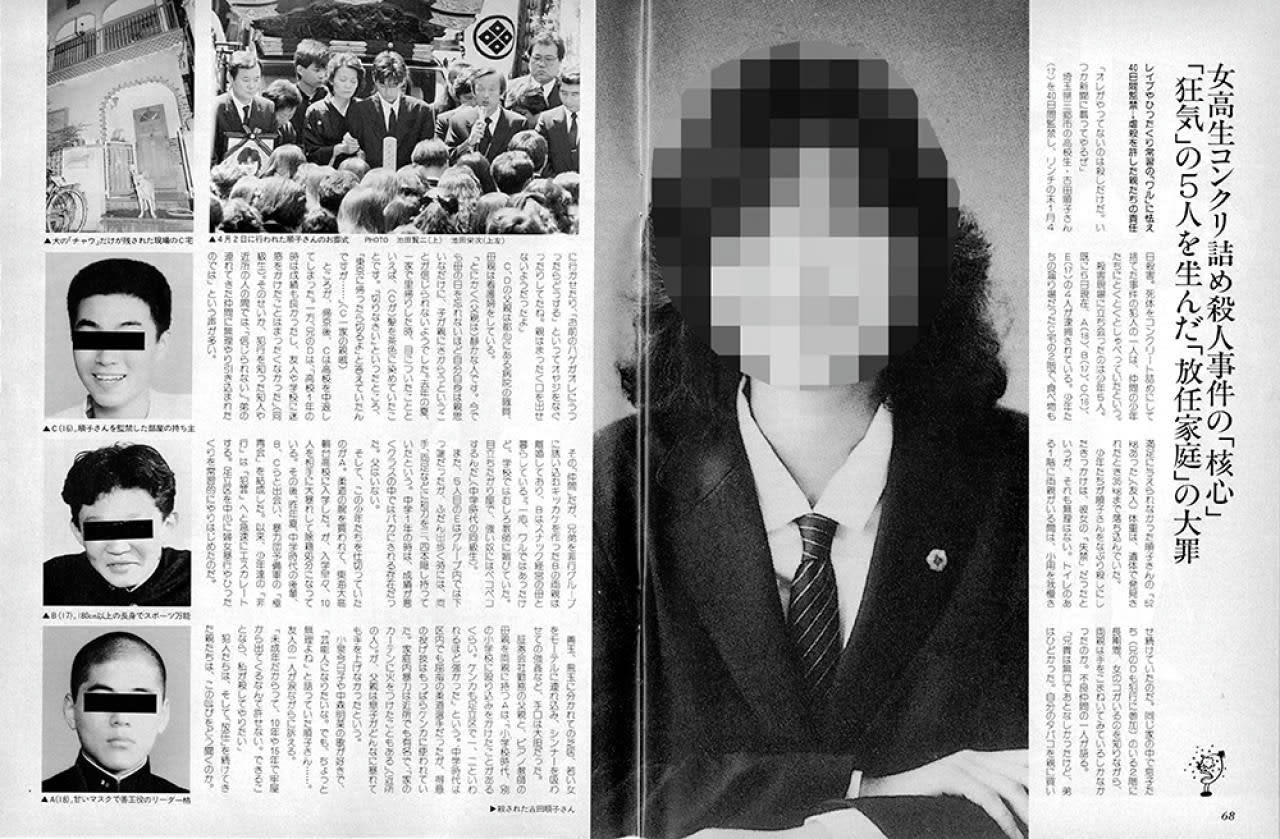
However, the magazine Shukan Bunshun broke the law at the time to publish their real names. They argued that "monsters" didn't deserve the protection of the law. This act of "doxing" before the internet even existed is the reason we know who these men are today.
The Legacy of the Case in 2026
The fact that the junko furuta killers today are mostly free men continues to spark outrage in Japan. This case was the primary catalyst for Japan lowering the age of criminal responsibility and stiffening penalties for juvenile offenders.
But for Junko's family, the legal changes came too late. They received a settlement of roughly 50 million yen (about $350,000 at the time) from Miyano’s parents, but no amount of money or legislative change can undo those 44 days.
Actionable Takeaways for True Crime Followers:
- Support Legislative Reform: If you feel these sentences were unjust, look into organizations like the Japan Federation of Bar Associations to understand current debates on juvenile law.
- Verify Sources: Many "where are they now" articles use fake photos. Always cross-reference names like Hiroshi Yokoyama and Jo Kamisaku with official Japanese police records or reputable news archives.
- Focus on the Victim: The best way to honor Junko is to ensure her story is told with dignity, focusing on the systemic failures that allowed the crime to happen rather than just the shock value of the killers' lives.
The story of the Junko Furuta killers is a stark reminder that the legal definition of "rehabilitation" often clashes with a society's need for justice. While these men have moved on, the shadow of the concrete drum remains.