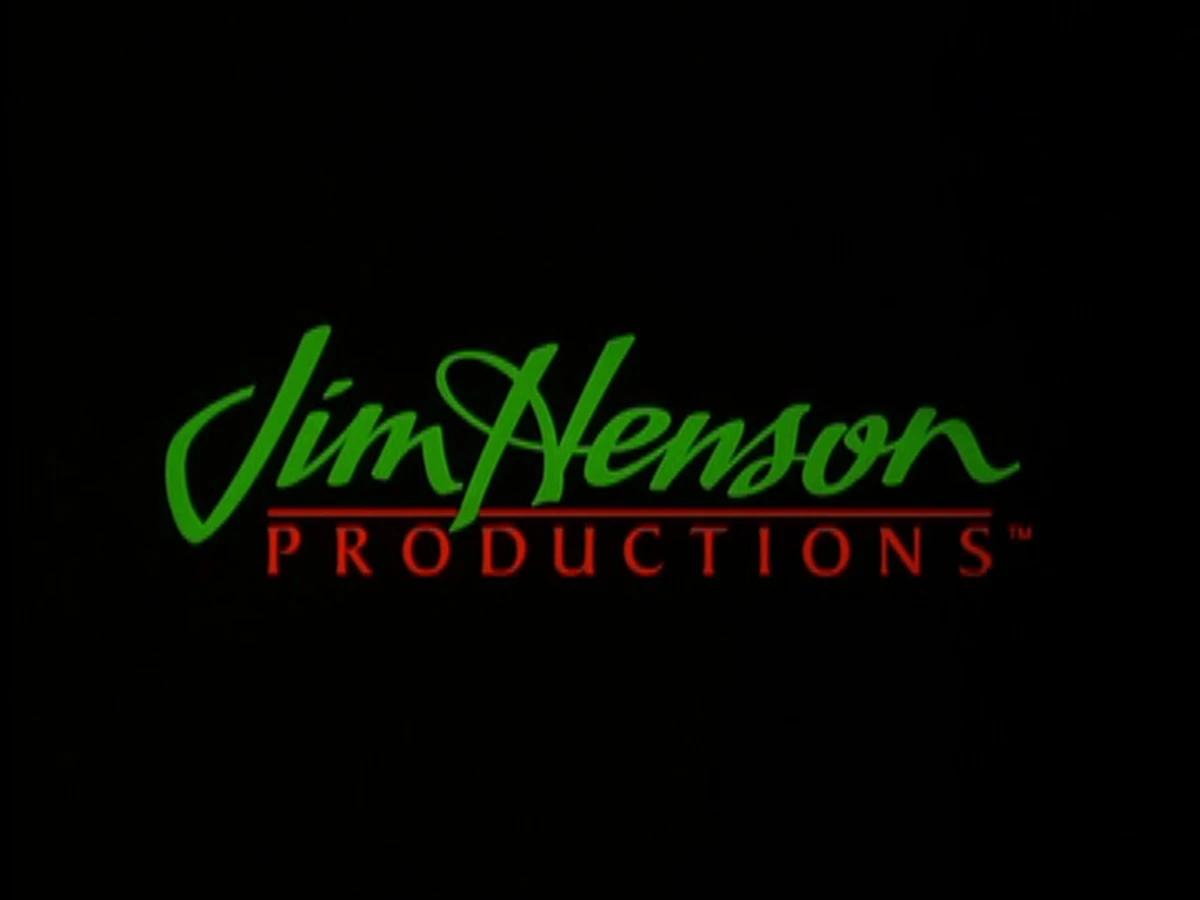
You know that feeling when you're watching an old VHS tape and a green laser starts zipping across the screen? That’s not just nostalgia. It’s a masterclass in branding. The Jim Henson Productions logo is one of those rare corporate symbols that doesn't feel like a corporation at all. It feels like a promise. For decades, that glowing green script and the little frog-eyed dot over the "i" told us exactly what we were about to get: something weird, something kind of sweet, and something technically brilliant.
Most people don't realize how much drama and legal maneuvering happened behind the scenes just to keep that name on your screen. Between the hand-drawn sketches of the 1950s and the high-tech digital chimes of the 2020s, the logo has survived buyouts, name changes, and even a massive lawsuit with a canned meat company.
The Signature That Wasn't Always a Signature
It’s easy to assume Jim Henson just signed his name on a piece of paper and called it a day. Honestly, the truth is a bit more curated. Before the world knew the name Jim Henson Productions, the company was operating under the quirky moniker Henson Associates. If you look at early 70s projects, you’ll see the "ha!" logo—a lowercase, lowercase-style "ha" with an exclamation point. It was punchy, but it didn't have that personal touch Jim eventually wanted.
In 1987, things shifted. The company officially rebranded to Jim Henson Productions, and they needed a look that matched the man’s growing legacy. They settled on a stylized version of Jim’s own signature. It wasn’t a 1:1 replica of his handwriting every time he signed a check, but it captured the flow. The "J" was tall and loopy, and the "h" in Henson had this specific, friendly curve.
The Kermit "i" Dot
This is the part everyone remembers. In the 1988 version of the logo, a flash of light appears over the "i" in "Jim," turning into a simple, line-art drawing of Kermit the Frog’s head. It was a subtle way of saying, "Yeah, the frog lives here." It’s also a clever bit of graphic design—using the company’s most famous asset as a functional part of the typography.
When the Logo Got Dangerous (Literally)
If you grew up in the early 90s, you probably remember the "variant" logos. These were the ones where things went wrong. The Jim Henson Productions logo wasn't always just a static image; it was a playground for the Muppeteers.
- The Falling Sign: Kermit’s green hand would place a sign on a nail, only for the sign to tilt and the letters to clatter to the ground.
- The Arrow: A sign would appear, and suddenly an arrow would thwack right into it, narrowly missing Kermit’s hand.
- The Saxophone: My personal favorite was the variant used for TNT reruns of The Muppet Show. Zoot, the resident sax player, would blow a note, and a gray circle would emerge from his instrument, eventually engulfing the screen to reveal the production logo.
These variants were important because they broke the "fourth wall" of corporate branding. They told the audience that even the logo wasn't safe from the Muppets' brand of controlled chaos. It’s a lesson most modern companies have forgotten: your brand can be a joke and still be respected.
The Great "Spam" Legal Battle
You can't talk about the Jim Henson Productions logo without talking about the time Hormel Foods tried to sue them into oblivion. In 1996, Henson was gearing up for Muppet Treasure Island. They created a character named Spa'am—the high priest of a wild boar tribe.
Hormel, the makers of SPAM luncheon meat, was not amused. They sued, claiming that the Muppet character would "tarnish" their trademark. They even went after the way the Jim Henson Productions name was used in conjunction with the movie.
The judge basically laughed it off. The Second Circuit Court of Appeals held that Henson’s use of the character was a parody and that consumers were smart enough to tell the difference between a puppet and canned meat. This was a huge win for the company, ensuring that the Henson name (and logo) remained synonymous with creative freedom and parody.
Evolution Into The Jim Henson Company
By the early 2000s, the company underwent another massive change. After the Henson family sold the Muppets to Disney in 2004, they had to rethink their identity. They couldn't use Kermit as the "i" dot anymore because Disney now owned the frog.
The logo evolved into the more formal The Jim Henson Company. Gone were the lasers and the falling signs. The new look featured the same iconic signature font but often used a more "corporate" gold or white palette.
In 2008, they introduced the "Dragonfly and Spider" logo. If you’ve seen Sid the Science Kid or Dinosaur Train, you know this one. A blue dragonfly flits across a white background, followed by a bouncy, Jell-O-like spider creature. These creatures were actually based on Jim Henson's original sketches from his "little red book"—a diary he kept for decades. It was a way to keep Jim's DNA in the logo even after the Muppets were gone.
Why It Works Better Than Modern Logos
Why do we still care about this specific logo? Honestly, it’s because it feels human. Most modern entertainment logos are cold, CGI-heavy spectacles. Think of the Marvel flip or the modern Disney castle. They are impressive, but they are "built."
The Jim Henson Productions logo felt written. It felt like someone had just put down their pen. In an era where AI can generate a thousand logos in a minute, that handwritten quality is a reminder of the craftsmanship that went into every puppet and every frame of film.
What to Look for Today
If you’re a collector or a fan, keep an eye on the copyright bylines under the logo.
- Henson Associates (pre-1987): Rare and highly sought after by fans of The Dark Crystal and Labyrinth.
- Jim Henson Productions (1987-1997): The "Golden Age" logo found on The Muppet Christmas Carol.
- Jim Henson Television (1997-2002): Often seen on Bear in the Big Blue House.
- The Jim Henson Company (2002-Present): The modern era, focusing on the Creature Shop and preschool hits.
Actionable Insights for Fans and Creators
If you're looking to dive deeper into the history of this brand or apply its lessons to your own work, here are the next steps to take:
- Check the Byline: Next time you watch an old Henson show, look at the very bottom of the logo. If it says "Henson Associates," you're looking at a piece of history from before the Disney negotiations changed everything.
- Study the Typography: If you're a designer, notice how the "Henson" signature breaks the rules of legibility but wins on "personality." It’s a perfect example of why a brand should feel like a person, not a committee.
- Archival Research: Visit the official Henson Company website and look for "Jim's Red Book." They often post original sketches that show where the inspiration for the later "Dragonfly" logos came from.
The logo isn't just a legal requirement at the end of a show. It’s the final signature on a work of art.
Next Steps for You:
You can research the specific variations of the "Kermit Hand" logo on the Audiovisual Identity Database (AVID) to see which shows used which "accident" variant. Alternatively, you can explore the Jim Henson Exhibition at the Museum of the Moving Image in New York to see the original "little red book" sketches in person.