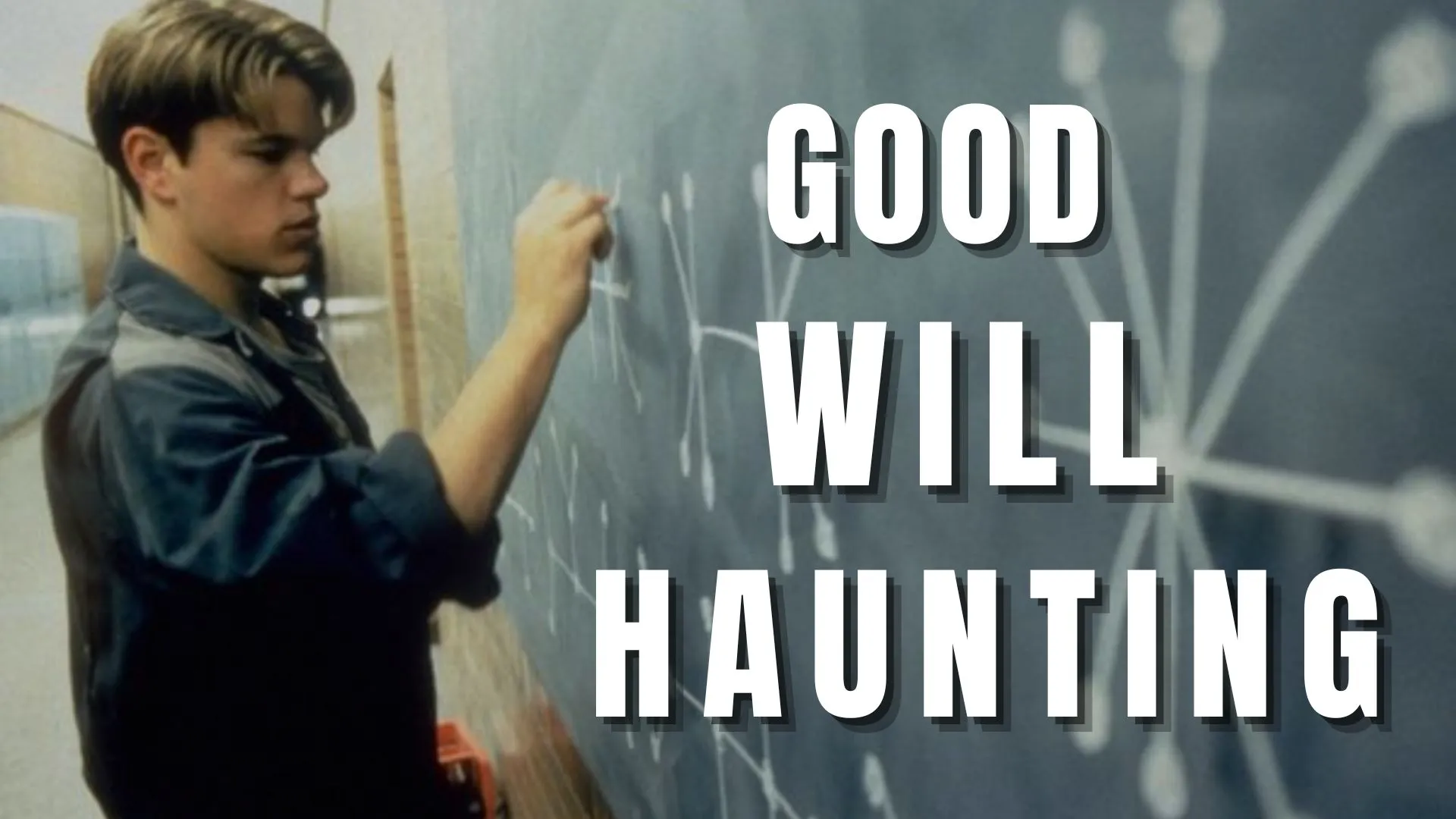
You know that scene where Matt Damon’s character, Will, is basically dismantling a Harvard guy's ego in a bar? It’s iconic. It’s brilliant. It’s also incredibly foul-mouthed. That’s the tightrope you walk when looking for a good will hunting parents guide. This isn't some fluffy coming-of-age Disney flick. It’s gritty, South Boston realism that hits like a ton of bricks. If you’re thinking about sitting down with your teenager to watch this 1997 classic, you need to know exactly what’s coming at you, because the "R" rating isn't just for show.
Honestly, it’s a masterpiece. It won Oscars for a reason. Robin Williams gives arguably his best performance as Sean Maguire, the therapist who finally breaks through Will’s shell. But for a parent, the "masterpiece" label doesn't help when your twelve-year-old is suddenly hearing a string of insults that would make a sailor blush. We’re talking about a movie where the word "f*ck" is used over 140 times.
That’s a lot.
The Language Barrier: Why This Good Will Hunting Parents Guide Starts with Dialogue
Let’s be real: the language is the biggest hurdle. It’s constant. It’s not just "bad words" used for shock value; it’s the way these characters breathe. In Southie, in the world Ben Affleck and Matt Damon wrote, swearing is a dialect. If you’re sensitive to profanity, this might be a tough sell. We see the "F-bomb" used as a noun, verb, adjective, and probably a comma.
There’s also a fair amount of homophobic slurs used by the characters. It’s important to contextualize this. It reflects the era and the specific, hyper-masculine environment of the characters, but it’s jarring by today's standards. If you're watching with a kid, you’ll probably want to have a chat about how language evolves and why those terms are used in the film to show the characters' limitations and their environment.
Is it just the swearing?
No. There’s also some crude sexual talk. The guys—Will, Chuckie, Morgan, and Billy—spend a lot of time hanging out, and their "locker room talk" is pretty graphic. They discuss sexual encounters and desires in a way that feels very "90s bro." It’s realistic, sure, but it’s something to keep in mind if you’re worried about maturity levels.
Violence and Intensity
Good Will Hunting isn’t an action movie, but when the violence happens, it feels heavy. There’s a scene early on where a massive brawl breaks out at a playground. It’s messy. It’s not choreographed like a Marvel movie; it’s just people swinging and kicking. Will ends up hitting a police officer, which is what triggers the whole legal mess that forces him into therapy and math classes.
More than the physical hitting, there’s the emotional violence.
The film deals heavily with child abuse. This is the core of Will’s trauma. You don’t see the abuse happening in real-time, but you see the aftermath—the scars on his back, the police records, the photos. Sean Maguire shares his own history of being hit by his father. These conversations are incredibly intense. If a child has a history of trauma or is particularly sensitive to the topic of parental neglect or physical abuse, these scenes might be triggering. They aren't "fun" to watch. They’re meant to be painful.
Alcohol and Smoking
If you’re looking for a smoke-free environment, look elsewhere. Everyone smokes. Robin Williams’ character smokes in his office. The kids smoke while driving. It’s a hazy movie.
There’s also quite a bit of drinking. Most of the social scenes take place in bars. The characters are frequently seen with a beer in their hand. While the movie doesn’t necessarily "glorify" alcoholism, it depicts a culture where heavy drinking is the default social activity. Will and his friends are often buzzed or hanging out in places where everyone else is.
The Themes: Why You Might Actually Want Your Kid to See It
Despite all the rough edges, there’s a reason people keep searching for a good will hunting parents guide. The themes are vital.
- The Fear of Failure: Will is a genius, but he’s terrified of trying and failing. He’d rather work as a janitor and stay safe than risk his heart or his intellect on something that might not work out. That’s a massive lesson for teenagers who feel the pressure to be perfect.
- Emotional Vulnerability: The breakthrough "It’s not your fault" scene is one of the most powerful moments in cinema history. It shows that even the "toughest" guys need help and that acknowledging trauma is the only way to move past it.
- Friendship and Loyalty: Chuckie (Ben Affleck) has a speech toward the end about how he hopes Will isn't there when he knocks on his door one morning. It’s the ultimate act of selfless friendship—wanting your friend to leave you behind because they deserve a better life.
Age Recommendation
Most critics and parenting resources, like Common Sense Media, lean toward 15 or 16+.
However, every kid is different. A mature 14-year-old who can handle the language might get a lot out of the message. A 17-year-old who is sensitive to abuse themes might struggle. Honestly, you know your kid. If they can watch The Departed or Succession, they can handle this. If they’re still mostly into Stranger Things, the sheer density of the profanity in Good Will Hunting might be a shock to their system.
Breaking Down the Content for Parents
- Sex/Nudity: Low. There’s one scene where Will and Skylar (Minnie Driver) are in bed. No explicit nudity is shown, but it’s clear what’s happening. There’s a lot of suggestive dialogue and "dirty jokes."
- Language: Extremely High. Constant use of "fck," "sht," and various slurs.
- Violence: Moderate. One street fight and some brief scuffles. The emotional descriptions of abuse are more intense than the physical violence shown.
- Drugs/Alcohol: Moderate to High. Heavy social drinking and constant cigarette smoking.
How to Handle the Viewing Experience
If you decide to go for it, don't just leave them to watch it alone. This is a "watch together" movie.
Talk about the math. Is he really a genius? (The Fourier Transform problems on the chalkboard are real, by the way). Talk about the therapy. Is Sean a good therapist? Why does he let Will insult him?
Most importantly, talk about the ending. Will "goes to see about a girl." It’s an open-ended, hopeful conclusion that bucks the trend of the typical "genius gets the high-paying job" trope. It’s about choosing happiness over expectations. That’s a conversation worth having with any young person trying to figure out their place in the world.
Real-World Takeaways
Before you hit play, keep these points in mind:
- Prep for the "F-bombs": Maybe mention it beforehand so it’s not a surprise. "Hey, they swear a lot in this, it's just how they talk."
- Check in during the "It's not your fault" scene: It’s a heavy moment. See how they’re reacting.
- Discuss the "Harvard" guy: It’s a great lesson in how "book smarts" don't always equal "life smarts" or character.
Good Will Hunting is a raw, beautiful, and sometimes ugly look at what it means to heal. As a parent, you aren't just navigating the "bad stuff"; you're opening the door to a story about potential and the courage it takes to actually use it. Just maybe keep a swear jar nearby if you're watching with younger teens—you might make enough for their college fund by the time the credits roll.
Next Steps for Parents
- Preview the "Bar Scene": Watch the first 20 minutes alone to gauge if the language is something your household can tolerate.
- Research the "It's Not Your Fault" Context: Familiarize yourself with the basics of childhood attachment theory if you want to have a deeper discussion about Will’s behavior.
- Check Streaming Ratings: Ensure your parental controls allow for "R" rated content before trying to find it on platforms like Max or Paramount+.
- Plan a Post-Movie Discussion: Focus on the character of Chuckie—ask your teen why a friend would want their best friend to move away. It's often the most relatable part for that age group.