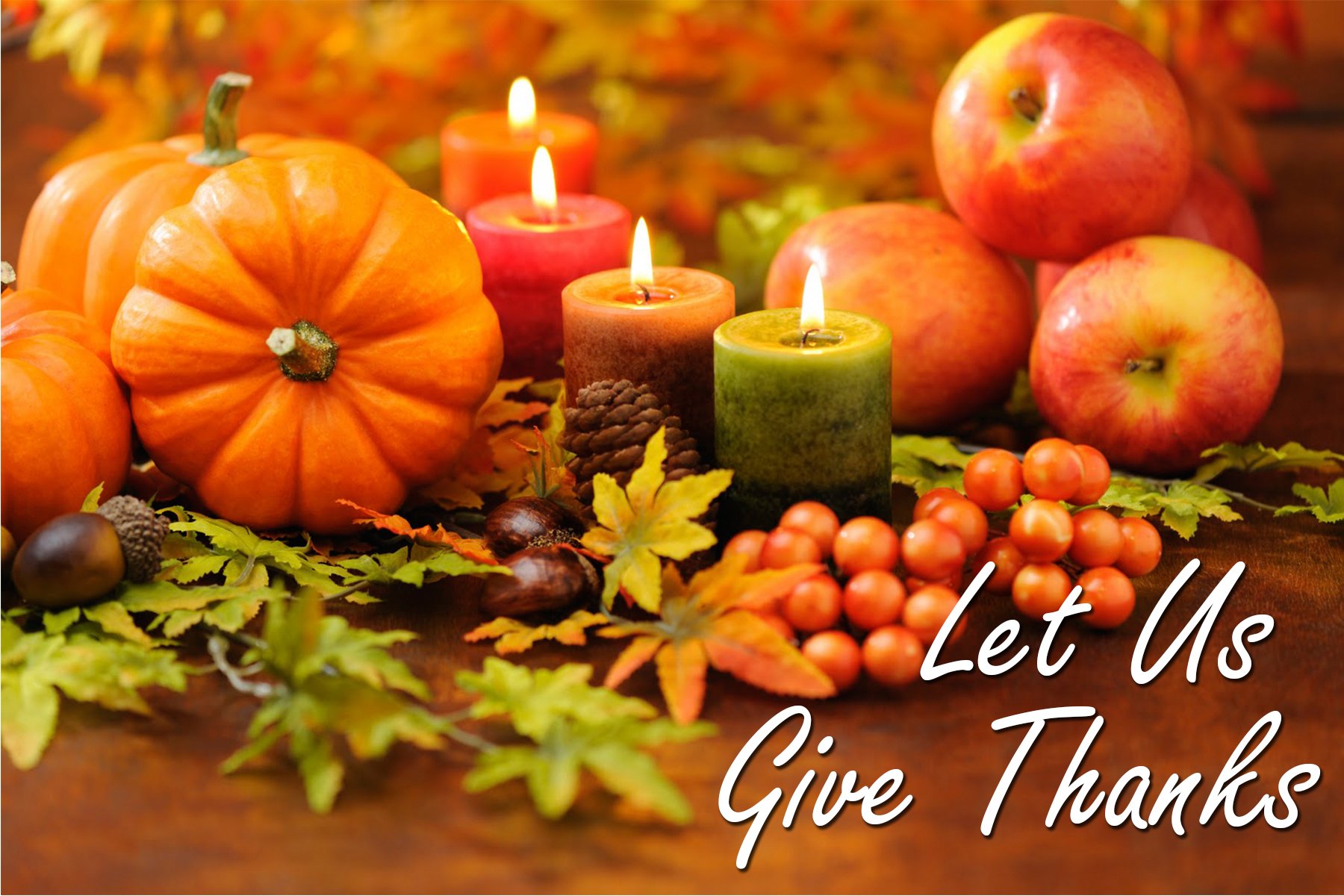
You know that feeling when you scroll through your feed in late November and everything looks exactly the same? It's a blur of orange. Huge turkeys. Golden-brown skin. Maybe a rustic wooden table that looks like it was staged by a professional crew from a home decor magazine. Honestly, the images of thanksgiving holiday we consume every year have become a bit of a cliché. It's almost like a visual shorthand for "gratitude," but if you look closer, those pictures tell a story that’s often disconnected from how the holiday actually looks in 2026.
We've been conditioned to look for the Norman Rockwell "Freedom from Want" vibe. You know the one—the 1943 painting where the grandmother is lowering a massive bird onto a table while everyone looks on with rapturous adoration. It’s iconic. But it’s also a narrow slice of what this day represents.
The Visual Evolution of the Turkey
Let’s talk about the bird. If you search for images of thanksgiving holiday, 90% of the results are going to feature a roasted turkey. But have you noticed how the styling has shifted? A decade ago, the "money shot" was a glistening, oily bird under heavy yellow kitchen lights. Nowadays, thanks to the influence of photographers like Alison Roman or the aesthetic popularized by Bon Appétit, the trend has moved toward "messy-chic."
People want to see the drips. They want to see the charred bits. They want the image to look like someone actually lives there. This shift matters because it reflects a broader cultural desire for authenticity over perfection. We’re tired of the plastic-looking food. We want the steam. We want the slightly cracked cranberry sauce.
Why Your Family Photos Look "Off"
Ever wonder why your own photos never look like the ones on Pinterest? Lighting. It's always the lighting. Most Thanksgiving dinners happen in the late afternoon or evening. This is basically a nightmare for your phone's sensor. You end up with that weird, sickly yellow glow from the overhead dining room light.
Professional photographers usually cheat. They shoot during the "Golden Hour" or use massive softboxes to mimic a cloudy day. If you’re trying to capture a genuine moment, turn off the big light. Use a lamp. Or better yet, take the photo of the pie while the sun is still up. Natural light is the only reason those "aesthetic" images of thanksgiving holiday look so much better than yours.
💡 You might also like: Why the Siege of Vienna 1683 Still Echoes in European History Today
The Misrepresented History in Stock Photography
This is where things get a bit sticky. If you dig into the archives of stock photo sites like Getty or Shutterstock, you’ll find a lot of "historical" recreations. Many of these are wildly inaccurate. They often lean into the 19th-century mythos of pilgrims and indigenous people sitting down for a peaceful, perfectly choreographed meal.
Historical experts, like those at Plimoth Patuxet Museums, have pointed out for years that the first "Thanksgiving" in 1621 didn't even involve forks. They used knives, spoons, and their fingers. There was no pumpkin pie. There were no potatoes—they hadn't become a staple in that region yet. So, when you see images of thanksgiving holiday featuring a 17th-century setting with a big bowl of mashed potatoes, you're looking at a visual lie.
It’s a weirdly persistent hallucination. We’ve collectively decided that the "vibe" of history is more important than the facts of history.
Beyond the Table: The "Friendshipping" Aesthetic
There is a massive surge in images that focus on "Friendsgiving." This isn't just a buzzword; it’s a demographic reality. Data from various social platforms suggests that younger generations are more likely to photograph a mismatched assortment of chairs and a variety of "alternative" main dishes.
Think tacos. Think Peking duck. Think lasagna.
📖 Related: Why the Blue Jordan 13 Retro Still Dominates the Streets
These images of thanksgiving holiday are often more vibrant and diverse. They show cramped apartments, people sitting on the floor, and a distinct lack of heirloom china. This visual shift is important because it broadens the definition of the holiday. It’s no longer just about the nuclear family; it’s about the "found family." This is where the most interesting photography is happening right now. It’s raw. It’s crowded. It feels real.
The Problem with "Gratitude" Graphics
You’ve seen them. The scripted "Happy Thanksgiving" text over a background of falling leaves. They are everywhere. Honestly, they’re kinda lazy. From a design perspective, these graphics have become the "Live, Laugh, Love" of the holiday season.
What’s interesting is how AI is now flooding this space. If you look at AI-generated images of thanksgiving holiday, they often have a surreal, too-perfect quality. The turkeys have too many legs, or the people have seven fingers. But more subtly, they lack the "soul" of a captured moment. There’s no blur from a laughing child. There’s no shadow from a stray wine glass. They are sterile. As we move further into 2026, the value of a real photo—even a blurry one—is going to skyrocket because it’s a proof of life.
Visual Trends to Watch
- The "Anti-Food" Shot: Focusing on the aftermath. The messy plates, the crumpled napkins, the half-empty bottles. It captures the feeling of a long dinner better than a full plate ever could.
- Global Flavors: Images showing kimchi, tamales, or curries on the Thanksgiving table. This is the reality for millions of American households.
- Outdoor Settings: Especially in warmer climates, the "alfresco" Thanksgiving is becoming a major visual trend. It looks great on camera, obviously.
- Minimalism: A single candle, a sprig of rosemary, and a lot of negative space. It's the "Quiet Luxury" version of the holiday.
Capturing Better Images This Year
If you want to take pictures that don't feel like a stock photo, stop posing people. Nobody likes the "everybody stand in front of the fireplace" shot. It’s stiff. It’s awkward.
Instead, go for the "in-between" moments. The person peeling potatoes. The dog waiting for a scrap. The steam rising off the gravy. Use a wider aperture if you can (that’s "Portrait Mode" on most phones) to blur the background. It hides the mess and makes the subject pop.
👉 See also: Sleeping With Your Neighbor: Why It Is More Complicated Than You Think
Also, get low. Most people take photos from eye level. It’s boring. Try taking a photo from the level of the table. It makes the food look epic. It makes the conversation feel more intimate.
What We Lose in the Edit
We spend so much time filtering these images that we lose the actual memory. There’s a certain pressure to make our lives look curated. But when you look back at images of thanksgiving holiday from thirty years ago—those grainy, 35mm prints—the flaws are what make them special. The red-eye, the weird wallpaper, the uncle asleep in the armchair. Those are the things that trigger actual nostalgia.
Don't over-edit. Don't remove the "distractions." The distractions are the story.
Real Practical Next Steps for Your Visual Strategy
If you are a content creator, a small business owner, or just someone who wants a better digital archive of their family history, here is how to handle images of thanksgiving holiday effectively:
- Audit your stock library: If you’re using stock photos for a brand, avoid the "Smiling Family with Turkey" trope. It’s invisible to users at this point. Look for images that show prep work or the "ugly-beautiful" side of cooking.
- Embrace the "Downtime": Some of the most engaging holiday images are of people napping or watching football. It's the reality of the post-meal slump.
- Focus on Texture: Close-ups of crusty bread, the skin of a turkey, or the grain of a wooden spoon perform better on visual platforms than wide, busy shots.
- Go Vertical: This sounds obvious, but if you're shooting for social media, vertical is non-negotiable. However, if you're printing an album, take a few horizontals. You’ll thank yourself later.
- Check the Background: Before you hit the shutter, look for the literal trash. A discarded plastic bag or a roll of paper towels can ruin a great composition. Move the junk, keep the character.
Stop trying to replicate a magazine cover. The most iconic images of thanksgiving holiday aren't the ones that are perfect; they are the ones that feel like home. Whether that's a cluttered kitchen in a city apartment or a backyard BBQ in the suburbs, the authenticity is what people actually want to see.