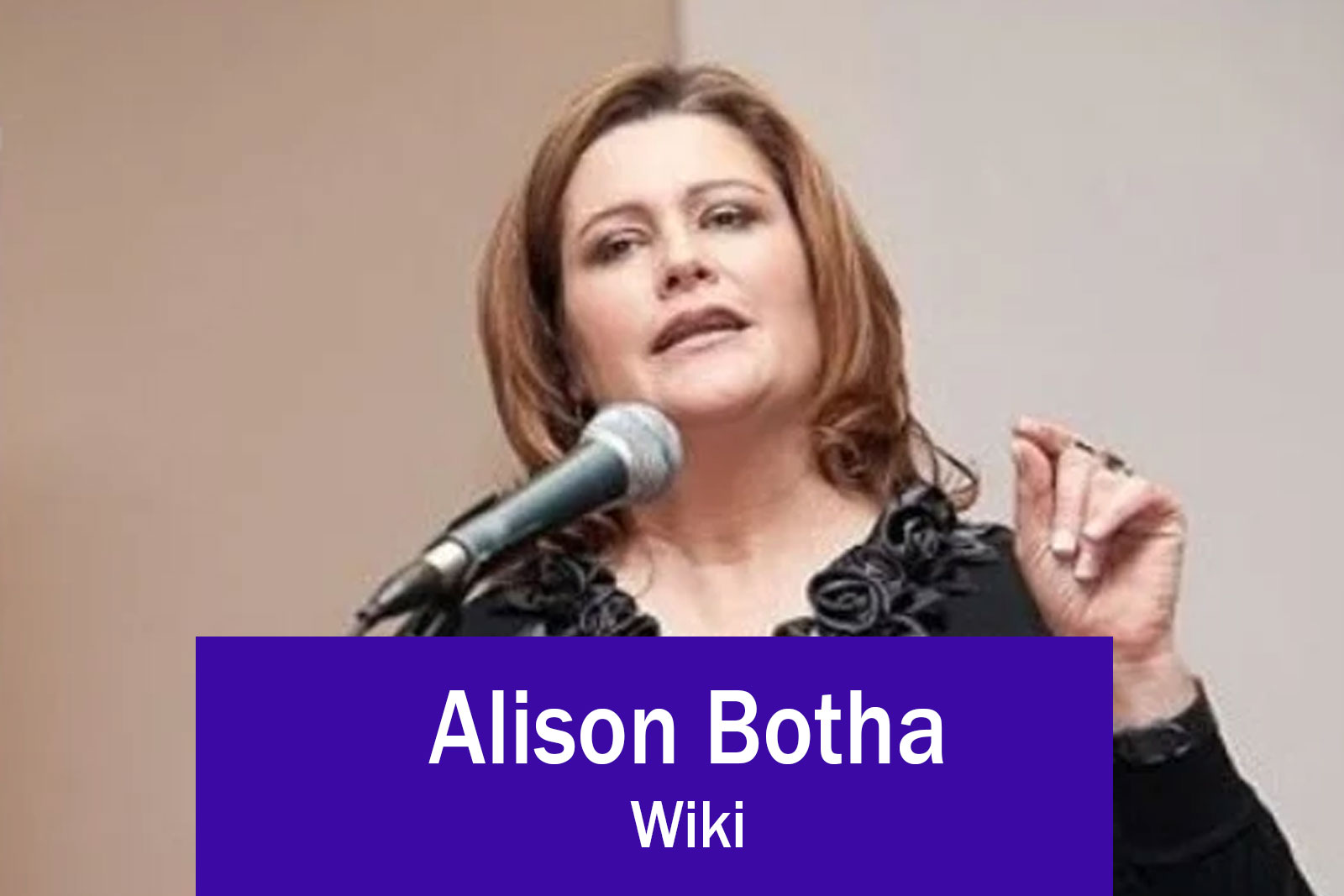
Honestly, if you grew up in South Africa in the 90s, the name Alison Botha isn't just a name. It’s a collective chill down the spine. It’s the story your parents used to warn you about being careful at night, but also the one that made you believe in miracles when everything else felt dark. In 1998, the book I Have Life by Marianne Thamm hit the shelves, documenting one of the most gruesome yet defiant survival stories in human history.
But here we are in 2026, and the conversation around Alison hasn't faded. It’s actually shifted. We aren't just talking about a woman who survived a horrific night in Port Elizabeth anymore; we're talking about a woman who has spent three decades navigating a broken justice system, surviving secondary health crises, and teaching us what "resilience" actually looks like when the cameras aren't flashing.
The Night That Changed Everything
December 18, 1994. It’s a date etched into the South African psyche. Alison was 27, just an ordinary woman returning to her flat. Then, Frans du Toit and Theuns Kruger happened. They didn't just attack her; they tried to erase her. They abducted her, raped her, and then committed acts of violence so extreme that it's a literal medical anomaly that she survived.
They stabbed her in the abdomen 37 times. They slit her throat 16 times.
Basically, they left her for dead in the bushes of Noordhoek. Most people would have died from the shock alone. But Alison didn't. She famously held her own head up—because her neck had been so deeply severed—and crawled toward the flickering lights of a distant road.
I Have Life: More Than a Memoir
The book wasn't just a true crime play-by-play. It was a manifesto. When I Have Life was published, it broke the silence on gender-based violence (GBV) in a way South Africa hadn't seen. She was one of the first women to step into the light and say, "This happened to me, and I am not ashamed."
The narrative focuses on her "ABC" philosophy: Attitude, Belief, and Choice.
It sounds like typical motivational speaker jargon, right? But coming from someone who literally tucked her own intestines back into her body so she could crawl to safety, the words carry weight. You've gotta respect the sheer grit.
The 2023 Parole Scandal and the 2025 Reversal
If you thought the story ended with her recovery, you've missed the recent legal drama. In July 2023, South Africa was rocked by the news that Du Toit and Kruger were granted parole after serving 28 years. The kicker? Alison wasn't even notified. She found out from the media.
Imagine that. You spend 30 years building a life, raising two sons, and inspiring the world, only to find out the men who "inherently evil" (the judge’s words, not mine) are walking free nearby.
Thankfully, the story took another turn. After massive public outcry and a change in political leadership within the Department of Correctional Services, Minister Pieter Groenewald revoked their parole in February 2025. By the time we hit 2026, they are back behind bars. It was a rare win for victim rights in a system that often feels like it's rooting for the wrong side.
The New Fight: Health and Recovery in 2026
Life hasn't been easy for Alison lately. In late 2024, she suffered a massive brain aneurysm. It was a "touch and go" situation that required multiple surgeries. Because of the damage her body sustained during the 1994 attack, doctors couldn't even use the standard drainage sites in her abdomen; they had to get creative with her chest cavity.
As of early 2026, Alison is in a "rough patch," as she recently described it to her followers. She’s been open about the fact that even a "professional inspirer" struggles to find hope sometimes.
"I can't even inspire myself at the moment," she admitted in a 2025 update.
That honesty is why people still buy her book. It’s not a "toxic positivity" story. It’s a "this is hard and I'm tired" story. She is currently undergoing intensive speech and occupational therapy, proving once again that survival isn't a one-time event—it's a lifelong job.
Why We Still Care
Why does I Have Life still rank? Why do we still search for her name?
- The Medical Miracle: Doctors still use her case as a study in human anatomy and the will to live.
- Justice Reform: Her case is the "North Star" for discussions on parole laws in South Africa.
- The Documentary: Uga Carlini’s 2016 film Alison introduced her to a Gen Z audience on streaming platforms, keeping the story alive.
What You Can Learn From Alison’s Journey
If you're looking for the "actionable" part of this, it's not about surviving a stabbing. It's about the small stuff.
- Choice is a muscle. Alison argues that we can't choose what happens to us, but we can choose our response. It sounds cliché until you're in a "patch" of your own.
- Advocate for yourself. The reversal of her attackers' parole happened because people spoke up. If you feel the system is failing you, make noise.
- Accept the slow days. Recovery—whether it's from trauma, surgery, or just a bad year—isn't linear. It’s okay to be "slow" to recover, as long as you keep moving.
Alison Botha is currently 58 years old. She is a mother, a survivor, and a woman who refuses to be a footnote in her own life. Whether you read I Have Life for the first time or the tenth, the message is the same: the monsters might be real, but they don't get the last word.
Actionable Insight: If you want to support survivors of GBV, look into local NGOs like Tears Foundation or the Saartjie Baartman Centre. Alison’s story is a reminder that while she survived, thousands of others are still in the "bushes," waiting for someone to see their signal.
Next Steps for Readers:
- Watch the Documentary: Find Alison (2016) on Amazon Prime or local South African streaming services to see the reenactments of her survival.
- Support the Trust: There are verified trust accounts (The Alison Trust) that help cover her ongoing medical expenses following her aneurysm; ensure you verify the details through official news outlets like News24 or Daily Maverick before donating.
- Read the Source: Grab a copy of I Have Life by Marianne Thamm to understand the psychological depth of her recovery beyond the headlines.