You’ve probably seen the video. It’s grainy, shaky, and shot in a car. A guy named WelvenDaGreat—real name Welven Harris—is on the phone. He’s telling a story about some guy who was looking for something. Then comes the setup. "Deez nuts!" followed by a frantic, high-pitched laugh that basically defined 2015. It was a massive moment. But the phrase suck on deez nuts didn’t just appear out of thin air in a Vine video. It has a history that stretches back through West Coast rap, Dr. Dre’s studio sessions, and even 1990s sketch comedy. It’s a prank that refuses to die because it’s fundamentally built on the simplest form of bait-and-switch humor.
The 1992 Origins of a Cultural Phenomenon
Before it was a meme, it was a track on one of the most influential albums in hip-hop history. In 1992, Dr. Dre released The Chronic. On the track titled "Deeez Nuuuts," Snoop Dogg delivers the intro. He calls a girl, asks her a leading question, and hits her with the punchline. It was crude, it was juvenile, and it was an instant hit.
Honestly, the phrase became a calling card for the G-funk era. It wasn’t just a joke; it was a vibe. Warren G and Daz Dillinger were all over that track, and they helped cement the "deez nuts" setup as a staple of black comedy and hip-hop culture. For years, it stayed within that sphere. You’d hear it in school hallways or on the playground. It was a "gotcha" moment. If you could trick someone into asking "Who?" or "What?" you had won the exchange.
The WelvenDaGreat Era and the Viral Explosion
Fast forward to 2015. The internet was a different place. Vine was the king of short-form content. Welven Harris, a man from California with a distinct look and an infectious laugh, uploaded the clip that would change everything. In the video, he says, "Something came in the mail today... deez nuts!"
The timing was perfect.
The internet was hungry for "random" humor. Welven became an overnight celebrity. He was getting booked for appearances, appearing in Kendrick Lamar music videos, and being referenced by everyone from DJ Khaled to local news anchors. The phrase suck on deez nuts became the shorthand for any successful prank.
But why did it work so well?
It’s the cadence. The setup requires a "lure." You have to say something that prompts a question. "Have you seen the new Bofades?" "Bofades who?" "Bofades nuts!" It’s a linguistic trap. It relies on the victim’s natural instinct to be helpful or curious. Once they engage, the trap snaps shut. It's low-brow, sure, but it's effective.
Deez Nuts for President: When the Meme Went Political
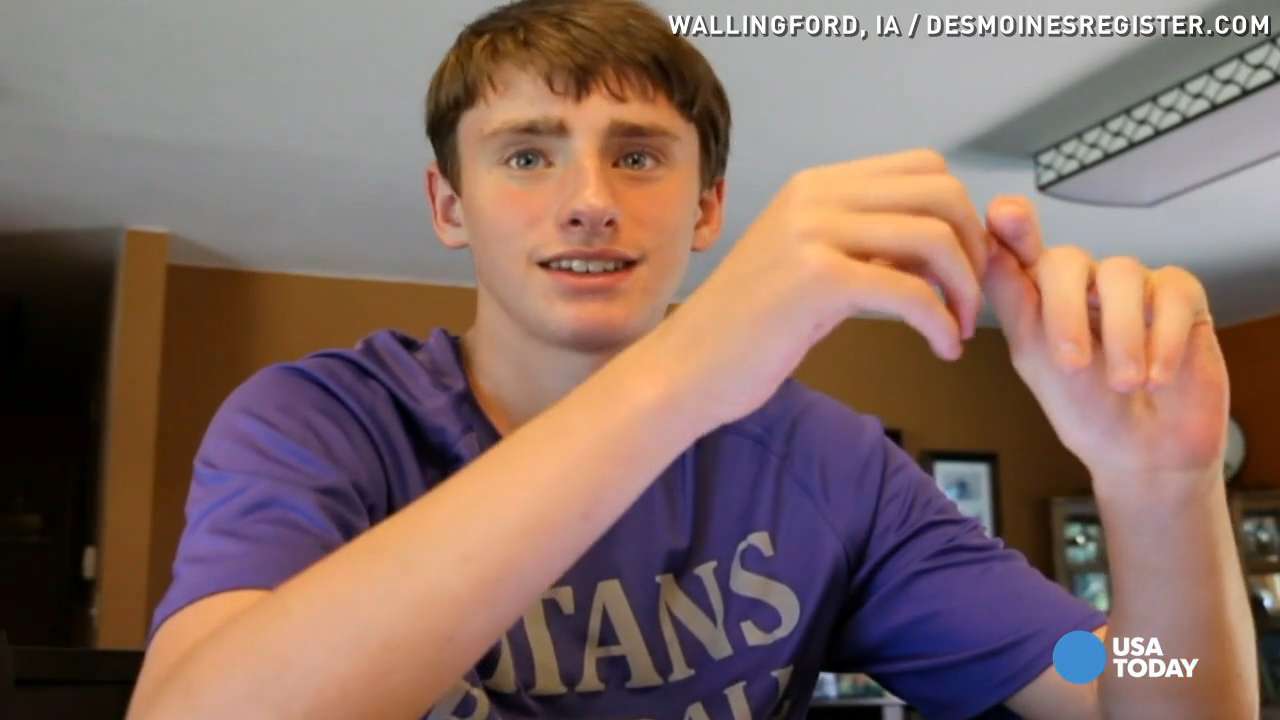
Things got weird in 2015. A 15-year-old from Iowa named Brady Olson decided to register as a presidential candidate with the FEC. He used the name "Deez Nuts."
He wasn't just a footnote.
In a Public Policy Polling survey in North Carolina, "Deez Nuts" actually polled at 9%. Think about that. A joke name inspired by a Dr. Dre song and a Vine star was outperforming actual professional politicians. This was a turning point. It showed that the phrase suck on deez nuts had moved beyond a simple prank. It was now a tool for satire and a way for people to express frustration with the political establishment. If the choices are bad, why not vote for the meme?
The Psychology of Why We Keep Saying It
It’s about power. Really.
When you get someone with a "deez nuts" joke, you’ve momentarily asserted intellectual dominance. You tricked them. Even if it’s the most obvious trick in the world, the fact that they fell for it makes you the winner of the social interaction. It’s the same energy as the "Look at my finger" trick or "Your shoes are untied." It’s a way to break the tension of a serious conversation or just to be annoying in a fun way.
Most memes have a shelf life of about two weeks. This one has lasted over thirty years.
Part of that longevity is due to its adaptability. You can hide the punchline anywhere. It’s in gaming lobbies, YouTube comments, and even professional sports broadcasts. When a commentator accidentally sets up the joke, the clip goes viral instantly. We love seeing people in positions of authority get caught by a joke that is essentially middle-school humor.
Misconceptions and the "Gotcha" Culture
A lot of people think Welven Harris invented the phrase. He didn't. He just gave it a new face for the digital age. Others think it’s purely derogatory. While it’s definitely not "polite," in many contexts, it’s used as a term of endearment or a sign of being part of the "in-group." If your friends don't try to get you with a "deez nuts" joke, are you even really friends?
There’s also the "Suckon" variation.
"Have you heard of the legendary Japanese chef, Suckon?"
"Suckon who?"
"Suck on deez nuts!"
This variation expanded the joke's reach. It allowed for more creative setups. It turned the prank into a linguistic puzzle. People started getting genuinely creative with how they would bury the lead.
The Downside of Viral Fame
It’s not all laughs. Welven Harris struggled with the sudden fame. He was a person with some developmental challenges who was suddenly the biggest meme on the planet. There were concerns about exploitation. People were using his likeness for profit while he wasn't always seeing the benefits. This is a common theme in internet history—the person behind the meme often gets left behind once the internet moves on to the next shiny thing.
He's still around, though. He still has fans. But the "Deez Nuts" phenomenon has long since outgrown him. It belongs to the internet now. It’s public domain humor.
Actionable Advice for Navigating the "Deez Nuts" Landscape
If you're online, you're going to encounter this. Here is how to handle it.
1. Spot the setup early.
If someone asks you a question about a person, brand, or object you’ve never heard of, be on high alert. Especially if the name sounds slightly phonetic. "Imagine," "Sugma," "Ligma," "Bofades," and "Suckon" are all red flags. If you aren't sure, don't ask "Who?" or "What?" Just say "No, never heard of it" and move on. Or, if you want to be a legend, beat them to the punchline.
2. Know your audience.
If you’re the one telling the joke, read the room. It’s hilarious in a Discord call with your buddies. It’s a one-way ticket to an HR meeting if you do it during a corporate Zoom call. The humor relies on the subversion of expectations. If the expectation is "professionalism," the subversion might be too costly.
3. Use it as a litmus test.
Honestly, you can tell a lot about a person by how they react to a well-timed suck on deez nuts joke. If they laugh, they’re probably chill. If they get genuinely angry, they might be taking life a bit too seriously. It’s the ultimate vibe check.
4. Understand the cultural weight.
Recognize that while it’s a joke, it has deep roots in hip-hop. It’s a piece of culture that transitioned from a specific community to the global stage. Understanding that context makes it more than just a "dumb joke"—it makes it a piece of modern folklore.
The prank works because it’s a shared experience. Everyone has been caught by it at least once. It’s a rite of passage in the digital world. It’s silly, it’s a bit crude, and it’s probably never going away. As long as there are people willing to ask "What's that?" there will be someone there to provide the inevitable, two-word answer.