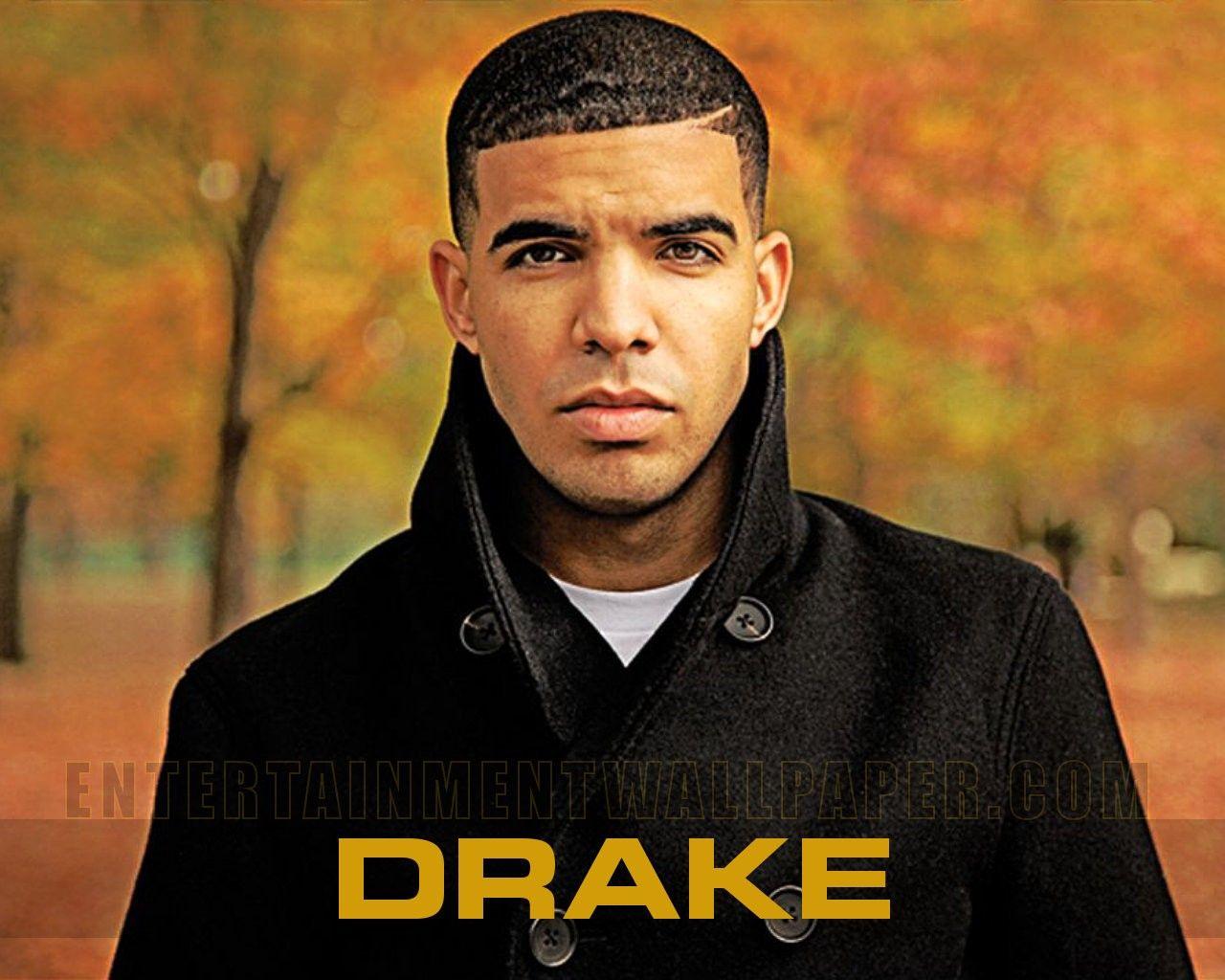
It’s hard to imagine a world where Drake isn't the final boss of the music industry. But go back to the era of BlackBerry Messengers and Ed Hardy shirts. 2008 was a weird, transitional time for hip-hop. Lil Wayne was the undisputed king, and a "degassi" kid from Toronto was trying to convince the world he could actually rap. People ask how old was Drake in 2008 because that’s the specific moment the tectonic plates shifted.
Drake was 21 years old for most of 2008.
He turned 22 on October 24, 2008. Think about that for a second. At 21, most of us are struggling to pass midterms or figuring out how to pay rent at a dive apartment. Drake was busy transforming from Aubrey Graham, the teen actor, into the 6 God. It wasn't an overnight thing. It was messy.
The 21-Year-Old Bridge Between Degrassi and Young Money
In early 2008, Drake was basically in career limbo. Degrassi: The Next Generation had been his life since he was 14. He played Jimmy Brooks, the basketball star who ended up in a wheelchair. But by 2008, his character was being phased out. The checks were drying up. He’s been honest in interviews about the anxiety of that time—he was the primary breadwinner for his mother, Sandi Graham, and they were living in a house they could barely afford in Forest Hill.
He wasn't a superstar yet. He was a kid with a MySpace page and a dream.
He had already released Room for Improvement in 2006 and Comeback Season in 2007. If you listen to those tapes now, you hear a 21-year-old trying on different voices. He sounded a lot like Phonte from Little Brother or a Canadian version of Lupe Fiasco. He hadn't found "Drake" yet. He was still Aubrey.
Then came the phone call.
The Lil Wayne Cosign That Changed Everything
Jas Prince, son of Rap-A-Lot Records founder J. Prince, played Drake’s music for Lil Wayne. Wayne supposedly didn't like it at first. But something clicked. By the summer of 2008, Wayne invited the 21-year-old Drake to join him on the Carter III tour.
Imagine being 21 and sitting on a tour bus with the biggest rapper on the planet while he’s at his absolute peak. That’s the education Drake got. He wasn't just a guest; he was an apprentice. This is why people get curious about how old was Drake in 2008—the age matters because it highlights his "prodigy" status. He was younger than most of the people he was competing with. He was a sponge.
During that year, they recorded "Ransom" and "Brand New." If you were on the blogs back then (shoutout to NahRight and 2DopeBoyz), those tracks were seismic. You could hear the confidence growing in real-time. He went from being "that actor guy" to "the guy who might actually be better than Wayne on his own songs."
The Sound of 2008: Why 21 Was the Magic Number
The reason Drake’s age in 2008 is so significant is because of the emotional maturity of the music he was making. He was 21, but he was rapping about the loneliness of fame and the complexity of relationships in a way that felt much older.
Most 21-year-old rappers in 2008 were focused on "snap music" or hardcore street tropes. Drake was different. He was vulnerable. He talked about his mom’s illness and his dad’s absence. He talked about girls by name.
- He was old enough to have real-world regrets.
- He was young enough to still have the hunger of an underdog.
- He was exactly the right age to bridge the gap between the "tough guy" era of the 2000s and the "emotional" era of the 2010s.
The So Far Gone Foundation
Technically, So Far Gone didn't drop until February 2009. But it was built in 2008. Every session, every late-night flight, and every verse he wrote as a 21 and 22-year-old that year led to that mixtape.
He was working with Noah "40" Shebib. They were creating this atmospheric, underwater sound that didn't exist in Toronto—or anywhere else—at the time. People often forget that Drake was basically broke during the first half of 2008. He was betting everything on this transition. If it didn't work, he was just another child actor whose 15 minutes were up.
Looking Back at Aubrey at 21
Comparing 2008 Drake to 2026 Drake is wild. Back then, he wore oversized hoodies and had a humbler swagger. He was still fighting for a seat at the table.
There's a specific video from 2008 where he’s wandering around a mall, and almost nobody recognizes him. He’s just a tall kid with a buzzcut. Fast forward a few months, and he’s the most sought-after free agent in the history of the music business, sparking a massive bidding war between every major label in New York and LA.
The jump he made between 21 and 22 is arguably the most important "level up" in modern music history.
Lessons from the 2008 Drake Era
If you're looking at Drake’s trajectory to find some inspiration for your own life or career, there are a few things that stand out about his 2008 run.
- Proximity is power. He got on that tour bus with Wayne and didn't leave. He made himself indispensable.
- Ignore the "Actor" stigma. Everyone told him he couldn't be a rapper because of Degrassi. He used that as fuel instead of letting it be a barrier.
- Find your 40. Drake didn't do it alone. He found a creative partner who understood his vision and stayed loyal.
- The transition is the hardest part. Moving from one identity (actor) to another (rapper) takes guts, especially when you're 21 and the whole world is watching you fail.
To answer the core question one last time for the people in the back: how old was Drake in 2008? He started the year as a 21-year-old former TV star with a lot to prove and ended it as a 22-year-old superstar-in-waiting who was about to change the sound of the radio forever.
The best way to appreciate what he did is to go back and listen to the November 18th track. It’s the sound of a young man realizing his life is never going to be the same. That’s the energy of 2008.
To really get a feel for this era, go back and watch the "Replacement Girl" music video or his early freestyle on Funk Flex. You'll see a kid who knew he was going to be king, even if nobody else believed him yet. The next step is to dive into the Comeback Season tracklist to hear the raw, unpolished version of the man who would eventually run the charts for the next two decades.