Living with Hidradenitis Suppurativa (HS) feels like your skin is constantly at war with itself. It’s painful. It’s frustrating. Honestly, it’s exhausting. When you’re dealing with those deep, pea-sized lumps or tracks in the armpits and groin, the last thing you want is a shower routine that makes it worse. Choosing a body wash for HS isn't just about smelling nice; it’s about managing a chronic inflammatory condition that affects roughly 1% of the population.
Most people think HS is an infection or a hygiene issue. It's not. It is an autoinflammatory disease centered on the hair follicle. Because the skin of an HS patient is more prone to bacterial colonization—specifically Staphylococcus aureus—the type of cleanser you use can literally dictate whether your week is spent in comfort or in a flare-up.
Why Your Regular Soap Is Probably Failing You
Stop using the scented, glittery stuff. Just stop. Most "refreshing" body washes are packed with sodium lauryl sulfate (SLS) and heavy fragrances that strip the skin barrier. For someone with HS, a compromised skin barrier is an invitation for trouble. When the skin gets too dry or irritated, it triggers more inflammation.
You need something that reduces the bacterial load without nuking your skin’s natural microbiome. It's a delicate balance. If you go too harsh, you get "rebound" irritation. If you go too gentle, the bacteria that feed those painful nodules run wild.
Dr. Haley Naik, a leading HS researcher at UCSF, often emphasizes that while HS isn't caused by poor hygiene, controlling the surface environment of the skin is a pillar of management. That's why the medical community leans so heavily on specific antiseptic washes rather than "beauty" bars.
The Heavy Hitters: Antiseptics and Antimicrobials
If you've spent more than five minutes in an HS support group, you’ve heard of Hibiclens. It’s the gold standard for a reason. Its active ingredient, 4% chlorhexidine gluconate (CHG), kills bacteria on contact and keeps working for hours after you rinse it off.
But here is what most people get wrong: you can’t just slap it on and rinse it. It needs contact time. Let it sit for a minute or two. Be careful, though—keep it away from your ears and eyes, as it can cause serious damage there. Also, don't use it on "open" wounds unless your dermatologist explicitly told you to. It can sometimes stall wound healing if used too aggressively on raw, tunneling skin.
Then there is Benzoyl Peroxide (BP). Usually associated with teenage acne, BP is a powerhouse body wash for HS because it’s antibacterial and helps "degunk" the hair follicles. It introduces oxygen into the pores, which kills the anaerobic bacteria that love to hide in HS tracts. A 10% wash like Panoxyl is common, but 5% is often enough and way less drying.
Pro tip: Benzoyl peroxide will bleach your towels. Use white ones or ones you don't care about.
The Zinc and Sulfur Alternatives
Not everyone can handle the "bleach-like" intensity of chlorhexidine or the dryness of benzoyl peroxide. This is where pyrithione zinc comes in. You might recognize it as the stuff in Head & Shoulders. It’s surprisingly effective as a body wash for inflammatory skin. It’s anti-fungal and antibacterial but way gentler.
Sulfur is another old-school remedy that deserves more credit. It’s a bit stinky (think rotten eggs), but it's keratolytic. That’s a fancy way of saying it helps dissolve the keratin plugs that start the whole HS inflammatory cascade. Brands like Joesoef Skin Care make sulfur soaps that are affordable and highly effective for some people.
Natural Options: Do They Actually Work?
People love tea tree oil. It’s natural. It smells like a spa. It has documented antimicrobial properties. But—and this is a big but—it can be a major irritant. Using pure tea tree oil on an active HS flare is like throwing a match on a grease fire for some people.
If you want to go the natural route, look for a diluted body wash for HS that features tea tree alongside soothing ingredients like aloe vera or shea butter. Dr. Bronner’s Tea Tree soap is a cult favorite, but it’s very alkaline. If you use it, you might need a pH-balanced toner or a very good moisturizer afterward to keep your skin from getting "tight."
Diluted bleach baths are another "natural-adjacent" recommendation often given by dermatologists. It sounds scary. It’s actually quite effective at reducing the Staph load on the skin. About a half-cup of regular household bleach in a full tub of water, twice a week. It’s basically like swimming in a chlorinated pool. It’s often cheaper and more effective than any fancy bottled wash you’ll find at the drugstore.
Managing the Biofilm and "The Smell"
Let’s talk about the elephant in the room: the odor. HS flares can have a distinct, pungent smell. This isn't because you're "dirty." It’s caused by the breakdown of bacteria and tissue inside the abscesses.
Using a pH-balanced cleanser is vital here. Bacteria thrive in alkaline environments. Most bar soaps have a high pH. By using a wash that is slightly acidic (around pH 5.5), you make your skin a hostile environment for the bacteria that cause the smell.
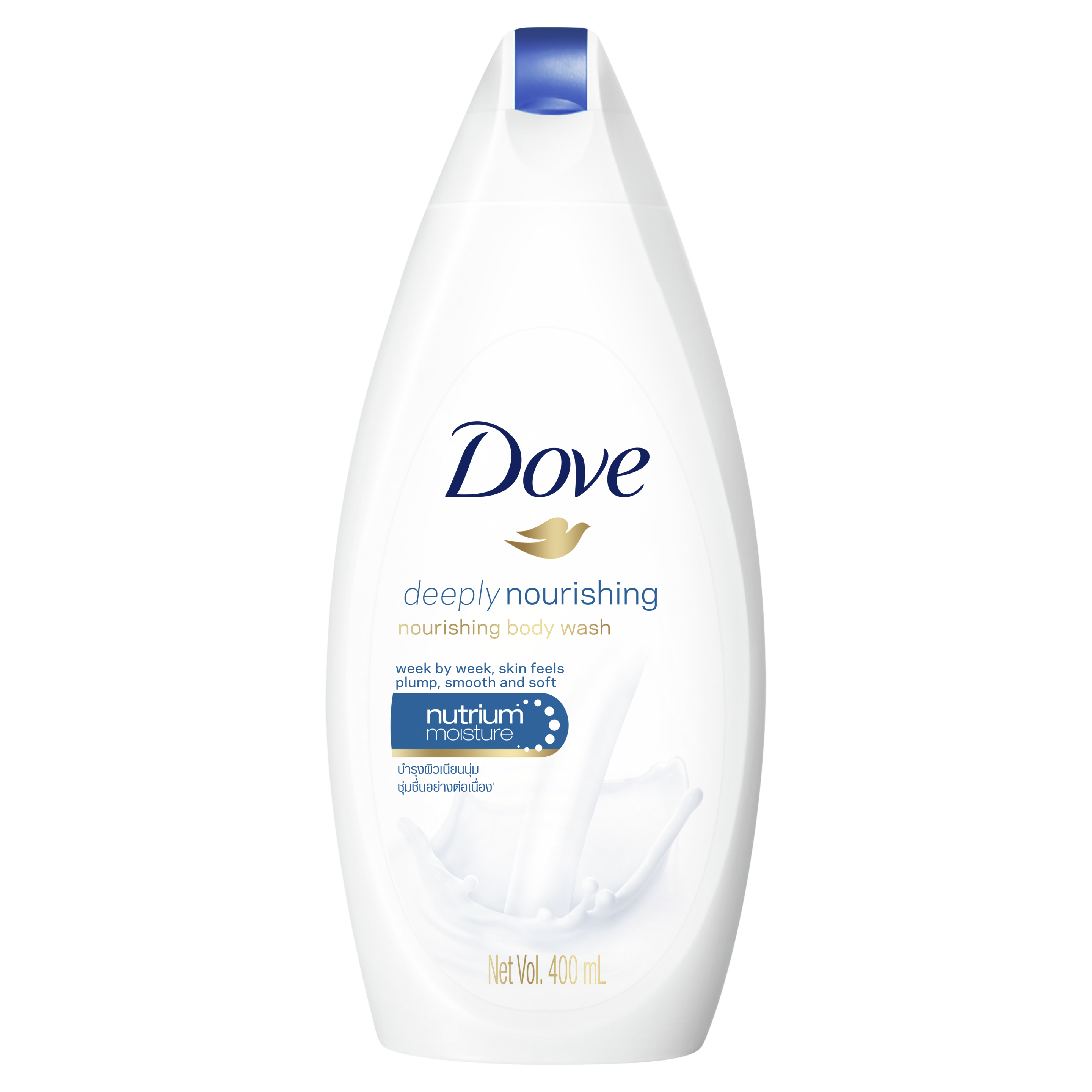
Hibiclens is great for the smell, but for daily use, something like Cetaphil Gentle Cleansing Bar or Dove Sensitive Skin (the fragrance-free version) can help maintain the barrier between your "treatment" washes. You shouldn't use an antiseptic wash every single day on every inch of your body. Focus the "medicine" washes on the "hot zones"—pits, groin, under breasts—and use gentle stuff everywhere else.
The Strategy: How to Wash Without Triggering a Flare
It isn't just what you use, it’s how you use it. Friction is the enemy of HS.
- Throw away your loofahs. They are bacteria traps.
- Use your hands or a fresh, clean washcloth every single time.
- Pat dry. Never rub. Rubbing creates micro-tears and heat, which can trigger the "Koebner phenomenon" where new lesions form at the site of injury.
Some people find success with "double washing." Use a gentle oil cleanser first to break down deodorant and sweat, then follow up with your medicated body wash for HS. This ensures the medication actually reaches the skin instead of just sitting on top of a layer of Secret Clinical Strength.
What the Science Says About Clogging
There is a theory that certain ingredients in body washes can clog the follicular opening, which is the "ground zero" of an HS lesion. This is why "non-comedogenic" labels matter. However, it's not a perfect science. What clogs one person’s pores might be fine for someone else.
The goal is to keep the skin "quiet." Inflammation is a cycle. Once it starts, it feeds itself. Your body wash is your first line of defense in keeping that cycle from starting. If a product makes your skin red, itchy, or tingly (in a bad way), ditch it. Your skin is already sensitive enough.
Actionable Steps for Your Next Shower
If you're feeling overwhelmed, simplify. You don't need a ten-step skin routine for your armpits.
- Start with a 5% Benzoyl Peroxide wash. Use it only on your flare-prone areas. Let it sit for 2 minutes. Rinse thoroughly.
- Keep Hibiclens on hand for "high-risk" days. If you've been sweating a lot or feel a "tingle" (the pre-flare warning), swap the BP for Hibiclens.
- Moisturize with a urea-based lotion. Urea helps keep the skin cells shedding properly so they don't clog the follicles.
- Track your results. HS is notoriously individual. What works for the "HS Warrior" on Instagram might not work for you. Give any new body wash for HS at least four weeks to show results, unless it causes an immediate reaction.
The reality is that no body wash will "cure" HS. It’s a systemic disease. But the right routine can significantly reduce the frequency of flares and the intensity of the pain. It’s about taking back a little bit of control over a condition that often feels uncontrollable. Focus on reducing bacteria, maintaining the skin barrier, and minimizing friction. Your skin will thank you.