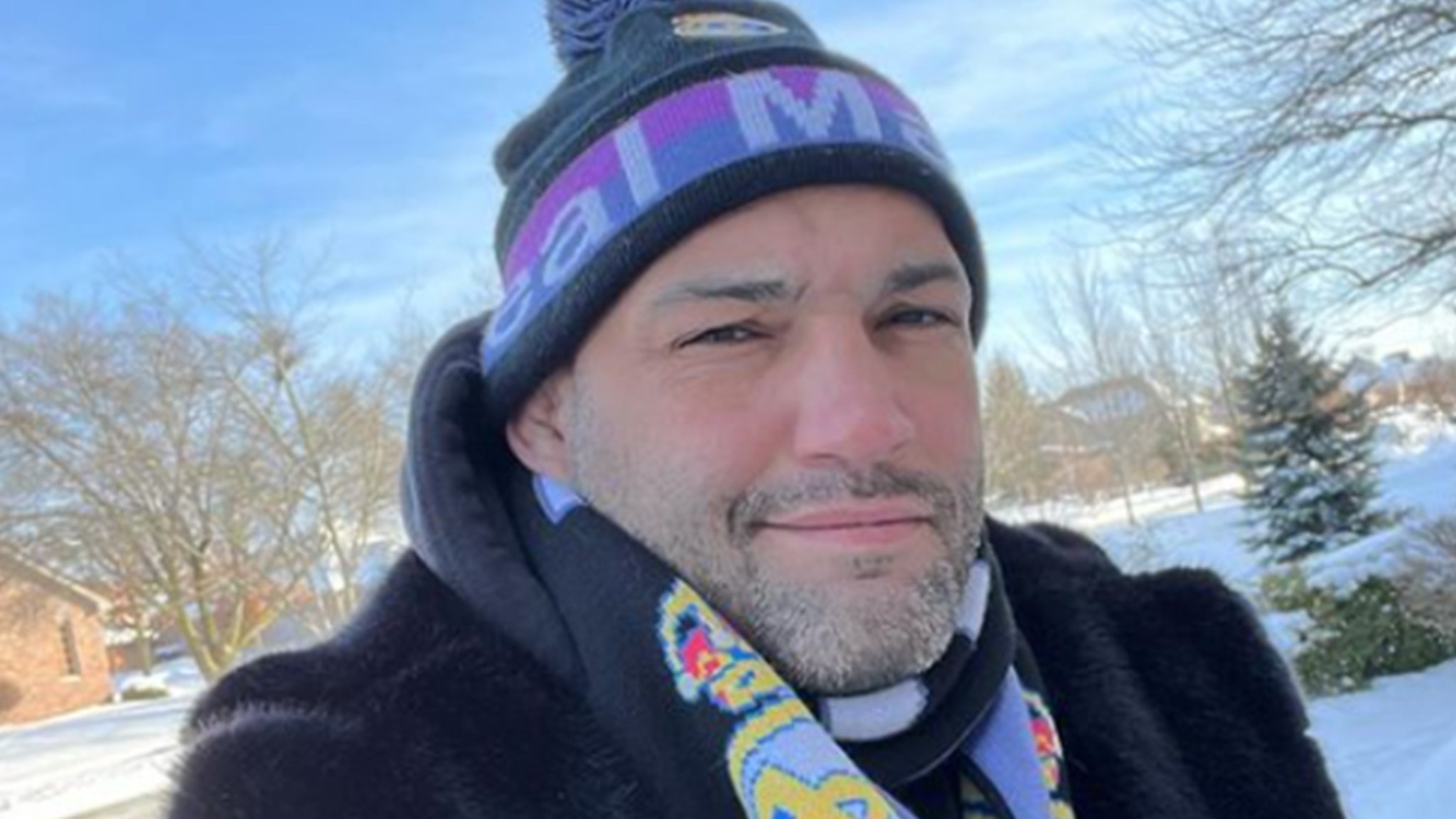
The world of mixed martial arts is used to sudden shocks, but the passing of Guilherme Vasconcelos hit differently. Known to most as "Bomba," he was a fighter with a relentless spirit on the mats and a life that often crossed into the bright lights of mainstream celebrity. When news broke in late 2024 that he had passed away at just 38 years old, the immediate response was a mix of disbelief and intense speculation. For months, fans were left wondering.
Then, the official details finally surfaced.
It’s a heavy story. Honestly, it’s one of those cases that forces us to look past the "tough guy" exterior of professional athletes. Guilherme Vasconcelos cause of death was officially ruled a suicide, according to incident reports that were made public in early 2025. He was found in his garage in mid-October 2024, a discovery that devastated his family and the tight-knit Brazilian Jiu-Jitsu community he had become a cornerstone of in Los Angeles.
The Investigation and the Final Report
Whenever an athlete dies young, the first place people look is the physical toll of the sport. Was it CTE? Was it a freak training accident? With Bomba, the timeline was jarring because he had been posting training clips just days before. He looked healthy. He looked strong.
But the Illinois State Police Department report painted a much darker, quieter picture.
Police were called to a residence around 9:00 a.m. on October 15. A woman had found him in the garage. There was no struggle, and there was no third party involved. Authorities actually reviewed security footage from the property that showed him just before midnight the previous night. That footage, coupled with the scene at the house, led investigators to conclude it was a self-inflicted act.
What the Toxicology Reports Showed
There were whispers online—there always are—about whether substances played a role. It’s no secret that the MMA world has a complicated relationship with performance enhancers. During the search of the home, police did find anabolic steroids.
However, when the toxicology results came back, the reality was different. The only substance found in his system at the time of death was caffeine. No drugs. No alcohol. No cocktail of supplements. Just a man alone with his thoughts. It makes the reality of the situation even harder to swallow because it suggests a level of clarity and intent that is often missing in "accidental" tragedies. There was no suicide note left behind, leaving his inner circle to piece together the "why" on their own.
Life Beyond the Octagon: The Demi Lovato Era
You can't talk about Guilherme without mentioning his high-profile relationship with Demi Lovato back in 2017. For a while, he wasn't just a Bellator fighter; he was a regular fixture in the tabloids. People who didn't know a leg lock from a rear-naked choke knew who Bomba was because of that romance.
They seemed like a great match. Both were open about their struggles and their passions. Even after they broke up, there didn't seem to be the typical Hollywood bitterness. But that level of fame brings a specific kind of pressure. While his MMA career had its ups and downs—finishing with a 10-6 professional record—he remained a respected figure in the BJJ world, which is arguably a much harder crowd to impress than the UFC audience.
The Silent Struggle of Professional Fighters
Why does this keep happening? We’ve seen it with so many athletes.
The transition from being a "warrior" to being a "regular guy" is a cliff. Vasconcelos had essentially retired from professional MMA around 2021. He moved into coaching and competing in the Jiu Jitsu World League. To the outside world, he was winning. He was fit. He was "Bomba."
But the brain doesn't always care about your Instagram feed. Experts in athlete mental health often point to several factors that could contribute to these types of outcomes:
- The loss of identity: When you aren't "The Fighter" anymore, who are you?
- Concussive trauma: While a direct link to CTE wasn't the focal point of the report, a decade in professional combat sports takes a toll on brain chemistry.
- Isolation: The "tough it out" culture in gyms often prevents men from speaking up when they are drowning.
It’s easy to look at his last Instagram post from October 10—just five days before he died—and see a man who was fine. He was working out. He was focused. But that's the thing about mental health; it's often invisible until it isn't.
The Legacy of "Bomba"
Despite the tragic end, Guilherme's impact on the sport was real. He was a veteran of The Ultimate Fighter Brazil, a man who fought in the UFC and Bellator, and a world-class grappler.
His uncle, Walter Vasconcelos Jr., was the one who initially confirmed the passing, and the outpouring of grief from the Brazilian community was massive. They didn't remember him for the headline about his death; they remembered him for the way he treated his students and the intensity he brought to the mats.
Misconceptions to Clear Up
- Was it a gym accident? No. Despite early rumors of a training mishap, it was a private event at home.
- Were drugs involved? Despite finding steroids at the home, he was "clean" (save for caffeine) at the time of death.
- Was there foul play? No. Security footage and police evidence confirmed suicide.
Taking Action: What We Can Do Now
If there is any lesson to be pulled from the Guilherme Vasconcelos story, it's that we need to check on our "strong" friends. The people who look like they have it all together are often the ones holding the most weight.
If you or someone you know is struggling with thoughts of self-harm or mental health crises, there are resources available that don't require you to "tough it out."
- The 988 Suicide & Crisis Lifeline: You can call or text 988 in the US and Canada for immediate, confidential support.
- Athletes Soul: An organization specifically designed to help athletes transition out of professional sports and manage the mental health hurdles that come with it.
- Local BJJ and MMA Support Groups: Many gyms are now implementing mental health check-ins, recognizing that the "warrior" mindset needs to include emotional resilience too.
Don't wait for a sign. Reach out today, whether you're the one struggling or you're just worried about a friend. A single conversation can be the difference between a tragedy and a turnaround.