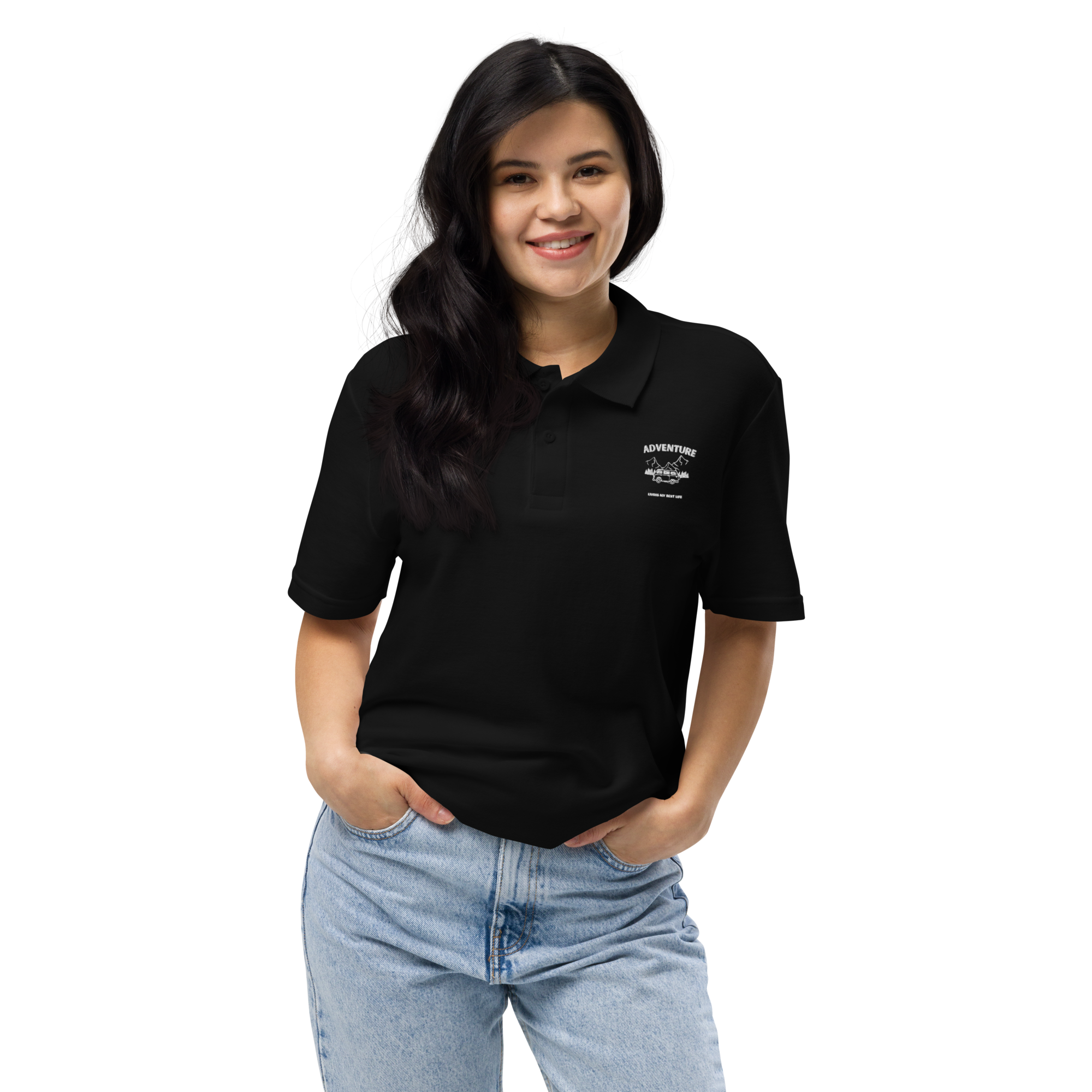
You know that one shirt? The one you grab when you have exactly four minutes to get ready and you don't know if the vibe is "business casual" or "backyard beers." Most of the time, it's a polo. But honestly, most polos are garbage. They shrink after two washes, or the collar starts doing that weird curling thing that makes you look like you’re wearing a wilted lettuce leaf around your neck. I’ve spent way too much time testing the gap men's stretch pique polo shirt to see if it actually breaks that cycle.
It’s a staple. People call it a "basic," but there is nothing basic about getting the fit right. Gap has been making these for decades, yet they keep tweaking the formula. Is it perfect? No. But it solves a very specific problem for guys who hate feeling restricted by stiff cotton.
The Science of the "Stretch" in the Gap Men's Stretch Pique Polo Shirt
Most traditional polos are 100% cotton pique. Pique is that bumpy, waffle-like texture you’re used to. It’s breathable, sure, but it has zero "give." If you reach for something on a high shelf, the whole shirt rides up. If you have any muscle—or, let’s be real, a bit of a midsection—it can feel like a cage.
The gap men's stretch pique polo shirt usually clocks in at about 97% cotton and 3% spandex (or elastane). That 3% is doing a lot of heavy lifting. It’s enough to let the fabric move with you without making the shirt look like a shiny cycling jersey.
I’ve noticed that after a long day of sitting at a desk or driving, the elbows and the hem don't get all bagged out. The spandex helps the fibers "snap back" to their original shape. It’s a subtle thing, but it’s the difference between looking sharp at 5:00 PM and looking like you slept in your clothes.
Why the Pique Weave Matters
It isn't just about the stretch. The pique knit is functional. Because of those tiny raised patterns, the fabric doesn't sit flat against your skin. This creates airflow. On a humid July day, you want that air. If you wear a jersey-knit polo (the smooth kind), it tends to show sweat way faster because the fabric is thinner and flatter. The Gap pique is beefy enough to hide the "undershirt" look but light enough that you aren't overheating.
The Fit Dilemma: Standard vs. Slim
Gap is notorious for their vanity sizing. You’ve probably experienced this. You buy a Medium at one store, and it fits like a tent; you buy a Medium at Gap, and it might actually fit like a Large.
For the gap men's stretch pique polo shirt, they generally offer two main cuts. The "Standard" fit is what I call the "Dad Fit." It’s generous through the waist. It’s comfortable. If you’re carrying a little extra weight or just prefer a relaxed look, this is the move.
Then there’s the "Slim" fit. This isn't just for skinny teenagers. It’s tapered through the torso and has slightly shorter, tighter sleeves. If you’ve been hitting the gym, the slim fit hits right at the mid-bicep, which is the "golden rule" for polos.
- The Length: Most of these hit right at the hip. You can tuck them in, but they’re clearly designed to be worn untucked.
- The Side Vents: Look at the bottom hem. There are small slits on the sides. These allow the shirt to sit flat over your hips rather than bunching up.
Real Talk on Longevity: Does it Shrink?
Here is the truth: cotton shrinks. Even "pre-shrunk" cotton shrinks.
If you take your gap men's stretch pique polo shirt and throw it in a high-heat dryer, it will come out half a size smaller. The spandex also doesn't love high heat; it can break down over time, leading to that "wavy" look on the placket (the button area).
To keep it looking decent, you’ve got to wash it cold and tumble dry on low—or better yet, hang it to dry. I know, nobody has time for that. But if you want the collar to stay stiff and the length to stay true, heat is your enemy.
The Infamous "Gap Collar"
Gap uses a ribbed knit collar on these. Some guys hate them because they can get floppy. One pro tip? Flip the collar up before you throw it in the wash. Once it’s dry, fold it down and give it a quick press with an iron or a steamer. It takes 30 seconds but makes the shirt look three times more expensive.
Colorways and Fading
Gap usually drops these in about 15 different colors every season. You’ve got your neutrals—navy, black, heather grey, white—and then the seasonal "faded" colors like mint or salmon.
The darker colors, specifically the navy and black, will fade over about 20-30 washes. It’s just the nature of dyed pique. However, the "vintage" wash versions they often sell are designed to look a bit faded from day one. If you're worried about it looking old, stick to the heathered colors. Because heathered fabric is a mix of different colored threads, it masks fading and wear much better than solid dark tones.
How It Compares to the Competition
Let's look at the landscape. You've got the Ralph Lauren Polo, which is the gold standard but costs $110+. You’ve got Uniqlo’s Dry-EX, which is purely synthetic and feels like gym wear. Then you’ve got Old Navy, which is the budget cousin.
The gap men's stretch pique polo shirt sits in that "Goldilocks" zone. It feels more substantial than an Old Navy shirt—the fabric is thicker and the stitching is tighter—but it doesn't carry the "preppy" baggage or the price tag of a designer logo. There’s no horse, no crocodile, no eagle. Just a clean shirt. For a lot of guys, the lack of branding is actually the biggest selling point.
Practical Style: How to Actually Wear It
Stop wearing these with baggy cargo shorts. Please.
Because of the stretch and the texture, this shirt works best when contrasted with different fabrics.
- With Chinos: This is the "Uniform." Navy polo, tan chinos, brown loafers or clean white sneakers. It works for a casual Friday or a dinner date.
- Under a Blazer: This is tricky. Because pique is textured, it can look a bit "rugged" under a fine wool blazer. If you’re going to do it, make sure the polo is a dark, solid color and the collar is crisp.
- With Denim: Dark indigo jeans and a grey or white stretch pique polo is a classic "rugged refined" look.
Honestly, the best thing about the stretch version is that you can size down if you want a tailored look without feeling like you can't breathe.
Technical Maintenance Checklist
To get the most out of your purchase, follow these specific steps:
- Buttons: Always button the shirt before washing. It prevents the placket from twisting in the agitator.
- Detergent: Use a color-safe detergent. Avoid bleach at all costs, even on the white ones, as it can turn the spandex yellow.
- The "Bacon Neck" Fix: If the collar starts to curl, use a small amount of spray starch on the underside of the collar and iron it flat. It’ll hold its shape for the rest of the day.
The Actionable Bottom Line
If you’re looking to refresh your wardrobe, don't buy five of these at once. Buy one. Wear it for three weeks. Wash it three times. See how the fit holds up for your specific body type and laundry habits.
If you find that the gap men's stretch pique polo shirt fits your torso but the sleeves are too loose, try the Slim fit version next time. If you’re between sizes, always size up, because that 97% cotton will give way to a tiny bit of shrinkage eventually.
Check the "Gap Factory" vs. the main "Gap" store versions, too. The Factory versions are cheaper but usually have a lower thread count and less spandex. For the best longevity, stick to the main line during a 40% off sale—which, let's be honest, Gap has almost every weekend.
Invest in the navy and the heather grey first. They are the most versatile and show the least amount of wear. Once you've dialed in your size, you can start experimenting with the bolder colors. Just remember: keep the heat low and the collar pressed, and you'll avoid the "wilted lettuce" look entirely.