She's bright pink, intensely dramatic, and hopelessly in love with a cockatoo who has a serious grudge. Gabi, the breakout star of Blue Sky Studios' Rio 2, basically stole every scene she was in. But if you’re looking for a poisonous frog Rio 2 style in the wild, you’re going to be looking for a long time.
Nature doesn't really do "Gabi pink."
While the movie paints her as this dangerously toxic amphibian who can’t even touch her true love, Nigel, the reality of South American dart frogs is a lot more complicated—and way more colorful—than what we see on screen. Honestly, the filmmakers took some massive creative liberties here. They created a character that is a mashup of several different species, glued together with a healthy dose of Broadway flair and Kristin Chenoweth’s iconic voice.
The Myth of the Pink Poison Dart Frog
Let’s get the big one out of the way first. There is no such thing as a naturally neon pink poison dart frog. Most of the time, when you see a poisonous frog Rio 2 fans might recognize, it’s going to be a member of the Dendrobatidae family. These guys are famous for their "aposematic coloration." That's just a fancy scientist way of saying "I'm bright so you know I'll kill you if you eat me."
In the Amazon, you’ll find them in electric blue, sunshine yellow, and blood red. You’ll even find them with intricate polka dots or racing stripes. But pink? Not so much.
The closest thing we actually have in the real world is the Dendrobates tinctorius "Rose" morph or certain variations of the strawberry poison-dart frog (Oophaga pumilio). Even then, they’re more of a reddish-orange or a soft coral than the vibrant fuchsia Gabi sports. The animators chose pink because it popped against the lush green of the Amazon rainforest and fit her "hopeless romantic" persona. It's a design choice, not a biological one.
Is Gabi Really That Dangerous?
In the movie, Gabi is terrified of touching anyone. She thinks one skin-to-skin contact will end in a funeral. This creates that hilarious, tragic tension between her and Nigel. But here’s the kicker: most poison dart frogs aren't toxic just because they're frogs.
They get their poison from their diet.
In the wild, these frogs eat specific ants, mites, and beetles that contain alkaloids. The frogs sequester these toxins and sweat them out through their skin. If you take a poison dart frog out of the wild and raise it in a zoo on a diet of fruit flies and crickets, it actually loses its toxicity. It becomes "clean."
Since Gabi spent so much time in captivity with Nigel before they escaped back to the wild in Rio 2, there’s a very high chance she wasn't even poisonous anymore. She could have hugged that cockatoo the whole movie and he would have been fine. Well, physically fine. Mentally, Nigel has other issues.
The Science of Batrachotoxin
If Gabi were a real-life "golden poison frog" (Phyllobates terribilis), the drama would be justified. These are the heavy hitters of the amphibian world. A single frog carries enough toxin—specifically batrachotoxin—to kill about ten grown men.
It’s terrifying stuff.
It works by attacking the nervous system. It keeps the sodium channels in your cells open, which means your muscles (including your heart) can’t relax. It leads to paralysis and heart failure pretty quickly. The indigenous Emberá people of Colombia famously used this toxin on the tips of their blowgun darts for hunting, which is where the name "poison dart frog" comes from.
But again, these frogs are usually yellow or mint green. Not pink.
Why the Movie Got the Habitat Right (Mostly)
The Amazon rainforest is massive. It covers over two million square miles. Rio 2 moves the action from the city of Rio de Janeiro deep into the heart of the jungle, near the Amazon River. This is exactly where you’d find these amphibians. They love high humidity and leaf litter.
Real poison frogs are diurnal. That means they’re active during the day. Most other frogs are nocturnal to avoid predators, but poison frogs don't care. They want to be seen. They want predators to look at those bright colors and think, "Nope, not touching that."
Gabi follows this rule. She’s loud, she’s visible, and she’s active during the daytime scenes. One detail the movie actually nailed is the size. Gabi is tiny compared to the birds. In real life, most poison dart frogs are less than two inches long. Some are smaller than a fingernail. They are the definition of "small but mighty."
Common Misconceptions About the Rio 2 Frog
People often confuse Gabi with other colorful frogs. Let's clear some things up:
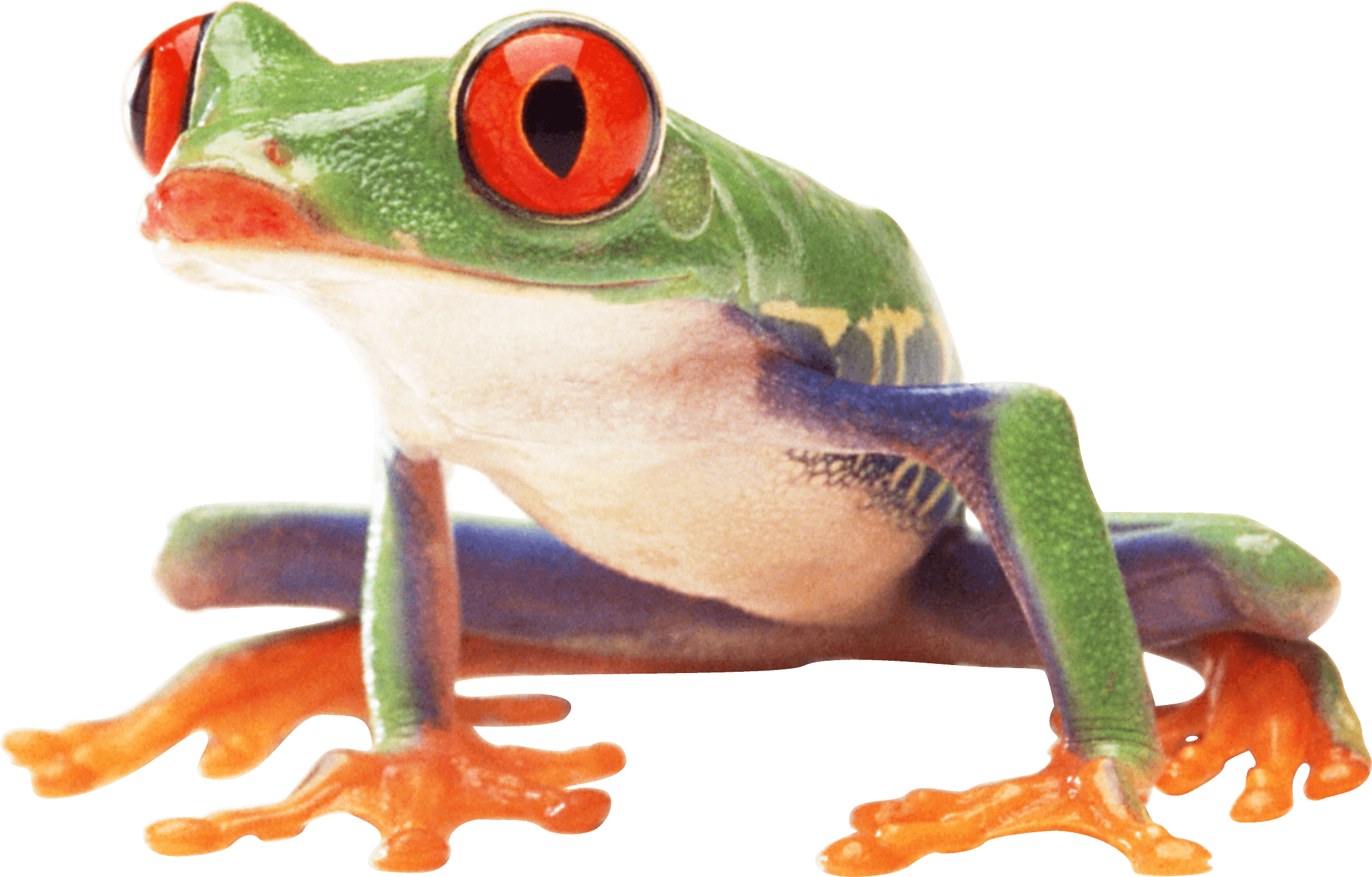
- She isn't a Tree Frog. Red-eyed tree frogs are green and blue; they aren't poisonous, just well-camouflaged.
- She isn't a Toad. Toads usually have warty skin and different toxin glands behind their eyes.
- Her "poison" isn't a choice. In the film, she views it as a curse, but in nature, it's a top-tier survival strategy.
The Conservation Reality
While Gabi is a fun character, the real-life versions of the poisonous frog Rio 2 portrays are in serious trouble. Habitat loss is a nightmare for them. When the rainforest is cut down for cattle ranching or soy farming, these micro-habitats vanish.
There's also a fungus called Batrachochytrium dendrobatidis (Chytrid for short). It’s an absolute plague. It has wiped out entire populations of amphibians globally. In many parts of Central and South America, frogs that were once common are now nearly extinct.
The movie touches on the "illegal logging" theme with the main plot involving the blue macaws, but the amphibians are the ones truly living on the edge. They can't just fly to a new patch of trees. If their specific pond or log is gone, they’re done.
What You Can Actually Do
If you've become a fan of these toxic little wonders because of the movie, the best thing you can do is support actual conservation. Organizations like the Amphibian Ark or the Rainforest Trust work specifically on protecting the small pockets of land where these frogs live.
Also, be careful if you’re looking to get one as a pet. The exotic pet trade is a double-edged sword. While captive-bred frogs are safe and non-toxic, the demand for "wild-caught" specimens leads to poaching, which further guts the wild populations. Always ensure any amphibian you buy is documented as captive-bred.
Actionable Steps for Enthusiasts
If you want to dive deeper into the world of the real Gabi, here is how to start:
- Visit an AZA-accredited aquarium or zoo: Most have "Amazonia" exhibits where you can see real Dendrobates species up close. Notice the colors—look for the Blues and the Yellows.
- Research "Aposematism": It’s the biological phenomenon of warning colors. Understanding this changes how you look at nature entirely.
- Check the IUCN Red List: Search for "Poison Dart Frog" to see which specific species are currently endangered. It's a sobering but necessary look at the reality of the Amazon.
- Support Sustainable Wood: Since habitat loss is the #1 threat to these frogs, look for the FSC (Forest Stewardship Council) logo when buying furniture or paper products. This ensures the wood wasn't harvested in a way that destroys Gabi’s real-life cousins' homes.
Gabi might be a fictional, pink, singing frog with a crush on a villain, but she represents one of the most fascinating families in the animal kingdom. Nature is often weirder—and more dangerous—than anything a Hollywood animator can dream up.